
I had a discussion on the air the other day about the utter waste of the “dumbest war in history,” World War I. I’m not sure that it was the dumbest reason for a war, but there certainly were enough instances of stupidity on both sides in the conduct of the war to fill volumes with examples. One of the most egregious though, happened literally hours before the armistice went into effect. The American Generals KNEW that it was in effect at 11am but were totally opposed to it. To show their disapproval, an attack was ordered.
It was an utter waste of lives.
And an example of the waste of war…
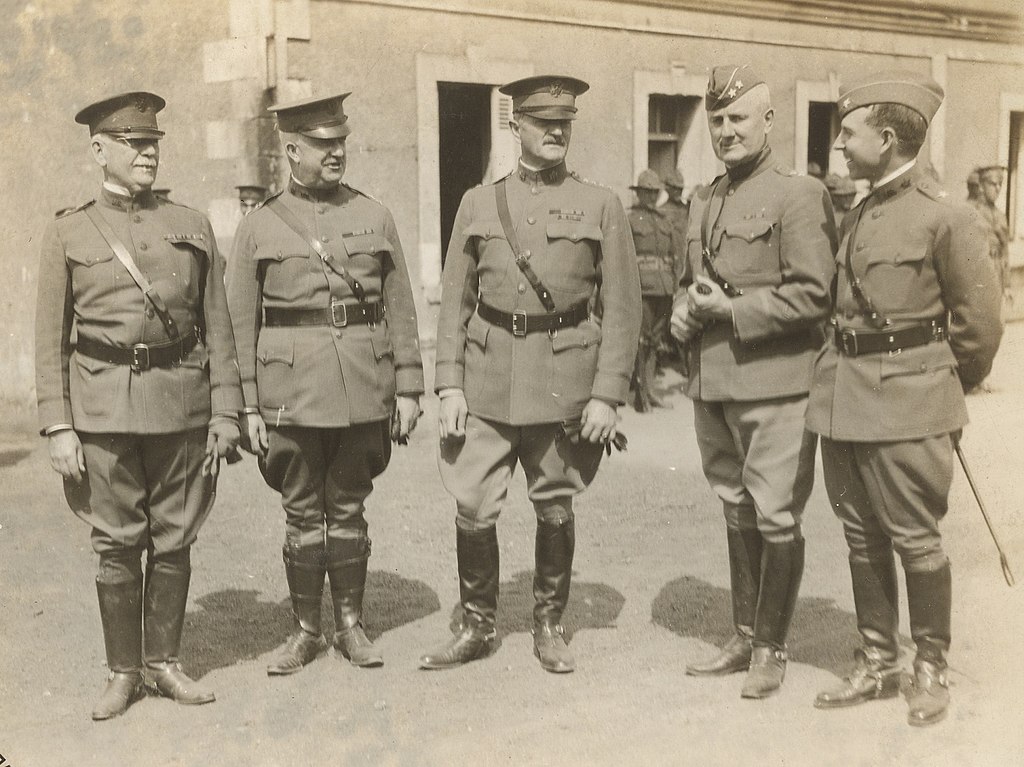
On November 11, 1918, the world watched with bated breath as the guns of World War I fell silent, marking the end of a brutal conflict that had raged for over four years. However, in the final hours of this great war, an inexplicable event occurred when American General John J. Pershing ordered an attack despite the impending armistice. This act would lead to a congressional investigation, raising questions about the waste of American lives, the actual accomplishments of the attack, the German reaction, and the ultimate legacy of this fateful decision.
Public Domain
As the armistice negotiations were underway, General Pershing ordered an attack on the morning of November 11, 1918, in an area known as the Meuse-Argonne sector. This attack would cost the lives of approximately 3,000 American soldiers in the final hours of the war. The decision to continue fighting when peace was imminent shocked both soldiers and commanders alike, and the nation demanded answers.
The attack on November 11, 1918, did manage to advance American positions slightly, gaining territory that would eventually be part of the armistice settlement. However, many questioned whether these gains were worth the cost in American lives, especially considering that the armistice was already in the works.
The Germans were equally perplexed by the American attack. They saw it as an unnecessary and costly maneuver, but they did not respond with hostility. Instead, they upheld their commitment to the armistice process, and hostilities ceased at the 11th hour on the 11th day of the 11th month.
The congressional investigation into General Pershing’s decision to order the attack revealed a lack of clear communication between the American high command and the negotiating parties in Europe. It was also noted that General Pershing may have been unaware of the rapid progress in armistice negotiations. While the investigation did not lead to any formal charges or disciplinary actions, it served as a cautionary tale of the consequences of miscommunication in the fog of war.
The attack on November 11, 1918, serves as a somber reminder of the human cost of war and the importance of clear communication and coordination in military operations. It also highlights the complexities of decision-making in the final hours of a conflict, when emotions run high, and the desire to secure advantageous positions can clash with the broader goals of peace.
The ill-fated attack on November 11, 1918, stands as a poignant chapter in the history of World War I. It is a testament to the sacrifices made by American soldiers in the final moments of the conflict and a lesson in the need for careful consideration and coordination during wartime. The legacy of this event reminds us of the enduring impact of war and the importance of striving for peace, even in the face of uncertainty and confusion.




 DAVE DOES HISTORY
Leave a reply to GP Cancel reply