
By the fall of 1942, the Pacific War had seen a series of tumultuous swings. Guadalcanal, one of the Solomon Islands, had become a key battleground. The U.S. Marines had established an airfield (later named Henderson Field), which presented a critical strategic advantage. Control of this airfield meant dominance over the surrounding sea lanes, restricting Japanese mobility and establishing a foothold for the Allies to further their Pacific advance.
The Japanese recognized this threat and sought to reinforce their troops on Guadalcanal and, if possible, retake the airfield. This set the stage for a series of naval clashes around the Solomon Islands, of which Cape Esperance would become one of the most significant.
On the evening of October 11, 1942, the U.S. task force under Rear Admiral Norman Scott faced off against a Japanese force led by Rear Admiral Aritomo Goto.
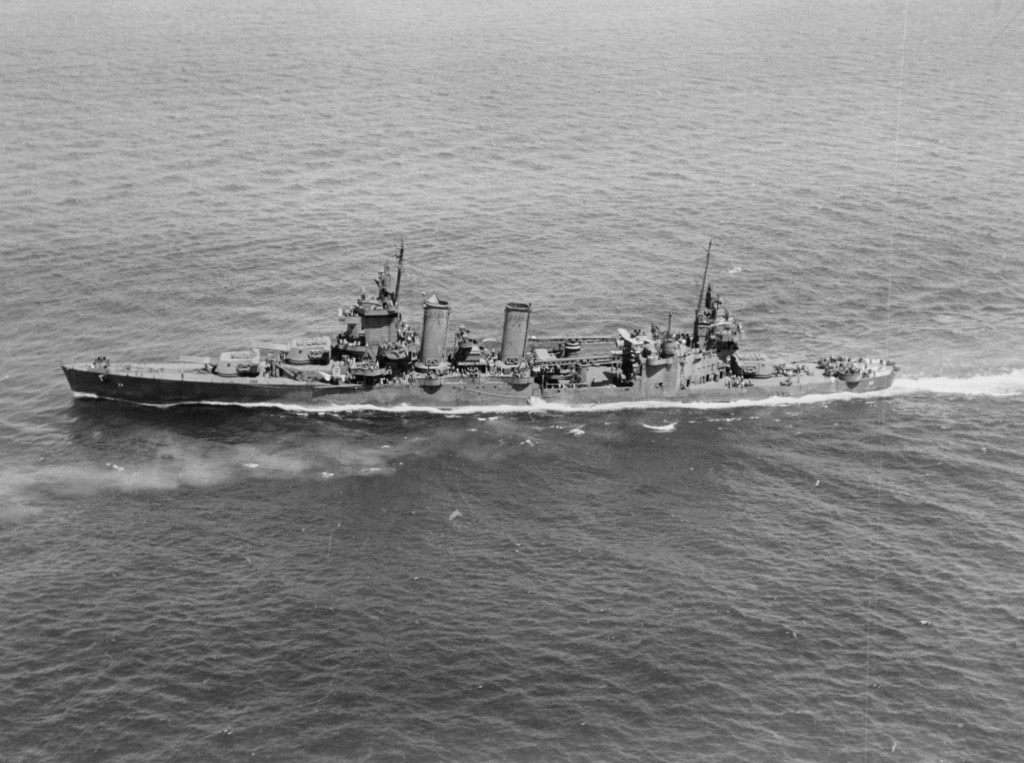
Public Domain
U.S. Forces:
– Heavy cruisers: USS San Francisco, USS Salt Lake City
– Light cruisers: USS Boise, USS Helena
– Destroyers: USS Laffey, USS Farenholt, USS Duncan, USS McCalla, USS Buchanan
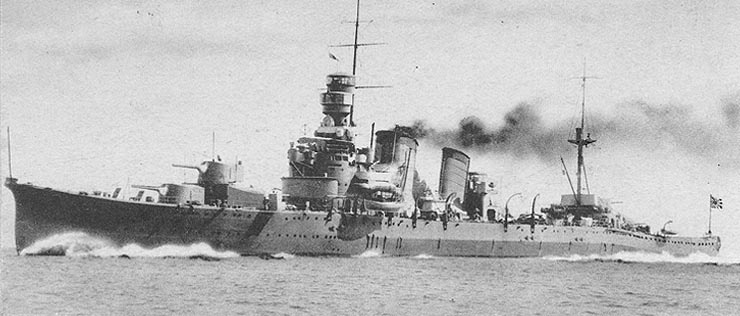
Public domain
Japanese Forces:
– Heavy cruisers: Aoba, Furutaka, Kinugasa
– Destroyers: Fubuki, Hatsuyuki, Murakumo
The battle began on the night of October 11, 1942. The U.S. force, having deciphered the Japanese movement via intelligence, had the element of surprise. Scott’s ships crossed the T of the Japanese formation—a classic naval maneuver that placed the Japanese in a vulnerable position.
A confused night battle ensued, filled with misidentifications and missed opportunities. Nevertheless, the U.S. forces managed to sink the Furutaka and the Fubuki, while severely damaging the Aoba. The USS Duncan was lost in the fray, and Boise suffered significant damage but managed to survive.
Goto, unfortunately for the Javanese, met his demise during the battle, and the damaged Japanese force withdrew.
The victory for the U.S. at Cape Esperance was significant for several reasons. It marked the first time U.S. forces had intercepted and defeated a major Japanese surface force during a night action. It boosted the morale of the U.S. Navy, showing that they could engage and best the Japanese in their favored realm of night combat.
From a strategic perspective, this battle further hindered the Japanese efforts to reinforce their troops on Guadalcanal. This would set the stage for future engagements in the region, further tipping the balance in favor of the Allies.
While Cape Esperance might be overshadowed by larger naval engagements such as Midway, its importance should not be understated. It marked a turning point in the naval war in the Pacific. The U.S. Navy showcased that it had learned valuable lessons from earlier engagements, adapting tactics and leveraging intelligence to confront and beat the Japanese at night.
Moreover, the battle reaffirmed the significance of Guadalcanal in the broader Pacific campaign. Control of the seas around these islands was essential for either side to claim victory. The Allies, bolstered by victories such as Cape Esperance, would continue to press their advantage, leading to further strategic gains in the Pacific theater.
In the grand tapestry of the Pacific War, Cape Esperance is a thread that, while not the most prominent, plays a crucial role in the overall pattern—a testament to the adaptability, bravery, and determination of the men who fought there.





 DAVE DOES HISTORY
Leave a reply to Doug Thomas Cancel reply