
On October 10, 1963, the Partial Test Ban Treaty (PTBT) went into effect. Its signing marked a turning point in the nuclear arms race and represented a first step towards reigning in the rapid escalation of nuclear weapons testing.
The Cold War era was characterized by an intense arms race between the two superpowers, the USA and the USSR. As each country sought to outdo the other, the number and scale of nuclear tests grew. This rapid increase in testing raised multiple concerns:
1. Environmental and Health Risks: As more tests were conducted, especially in the atmosphere, concerns grew over the environmental and health implications of radioactive fallout. Evidence suggested that fallout could lead to cancers, birth defects, and other health issues.
2. Political and Strategic Implications: There was a fear that an uncontrolled arms race might accidentally lead to nuclear warfare.
3. Moral Implications: Many across the world viewed the continued testing and enhancement of nuclear weapons as morally objectionable, especially considering the potential for global destruction.
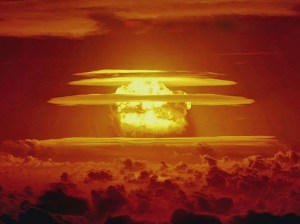
The largest atomic blast ever detonated by the US, Castle Bravo, took place in 1954 at Bikini Atoll. The explosion was much larger than anticipated, and its fallout affected nearby inhabited islands and a Japanese fishing boat, resulting in the death of a Japanese fisherman. This incident amplified global concerns about atmospheric nuclear tests and their unintended consequences.
Public Domain
Negotiations for a nuclear test ban had been ongoing since the mid-1950s. The aftermath of the Castle Bravo incident, combined with mounting international pressure, provided impetus to these negotiations. However, several issues stood in the way:
1. Verification: The US wanted an intrusive system to verify compliance, whereas the USSR was against any on-site inspections.
2. Scope of the Ban: There was debate over whether the ban should cover all nuclear tests or just atmospheric ones.
Despite these challenges, the turning point came in 1963. Both superpowers recognized the need to de-escalate tensions, especially after the Cuban Missile Crisis in 1962, which brought the world dangerously close to nuclear war. Eventually, they agreed to a partial ban which prohibited tests in the atmosphere, outer space, and underwater. Underground tests were still permitted.
On August 5, 1963, the PTBT was signed in Moscow by the US, UK, and USSR. Many other nations subsequently joined, though notable nuclear powers like France and China did not.
The PTBT did significantly reduce the number of nuclear tests, especially in the atmosphere. However, underground testing continued. The treaty acted as a precursor to the Comprehensive Nuclear-Test-Ban Treaty (CTBT) in 1996, which aimed to ban all nuclear explosions.
While the PTBT was a significant achievement in its time, the CTBT is now the primary focus when it comes to nuclear test bans. However, the CTBT is yet to enter into force, as several key states haven’t ratified it.
The Partial Test Ban Treaty is viewed as the first significant arms control agreement of the Cold War. Its legacy lies in:
1. Setting Precedents: The PTBT set the stage for subsequent arms control treaties.
2. Raising Awareness: The treaty discussions brought global attention to the hazards of nuclear testing, especially atmospheric testing.
3. De-escalation: By reducing the number of visible (atmospheric) tests, the treaty helped in de-escalating Cold War tensions to some extent.
The Partial Test Ban Treaty of 1963 was a landmark agreement, illustrating that even in the depths of the Cold War, diplomacy and international cooperation could yield positive outcomes. It stands as a testament to the importance of dialogue and the global community’s collective responsibility to avert nuclear catastrophes.




 DAVE DOES HISTORY
Leave a comment