
As we approach the end of summer, many of us eagerly anticipate the three-day weekend that Labor Day affords. It’s a time for barbecues, parades, and a last splash at the beach. But the significance of Labor Day goes far beyond these celebrations. It’s a day rooted in history, controversy, and the American spirit.
Labor Day originated during one of American labor history’s most tumultuous and violent periods. In the late 19th century, workers regularly faced extremely long work hours, unsafe conditions, and pitifully low wages. Amid this backdrop, labor unions grew more vocal and organized, advocating for better working conditions.
Public Domain04
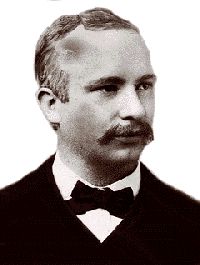
The exact founder of Labor Day is still a topic of debate. Some records suggest that Peter J. McGuire, co-founder of the American Federation of Labor, proposed a day to honor those “who from rude nature have delved and carved all the grandeur we behold.” However, others believe that it was Matthew Maguire, a machinist, who proposed the holiday in 1882 while serving as secretary of the Central Labor Union in New York.
What is clear is that on September 5, 1882, the first Labor Day holiday was celebrated in New York City, as per the plans of the Central Labor Union. The idea caught on, and by 1894, over half the states were observing a “workingmen’s holiday” on one day or another. Later that year, amid labor unrest and the Pullman Railroad strike, President Grover Cleveland made reconciliation with the labor movement a top political priority, and Labor Day became a federal holiday.
The establishment of Labor Day was not without its critics. Some saw it as a mere appeasement tactic following the tumult of the Pullman strike. Others believed it was an attempt to disassociate from the more radical connotations of May Day (May 1), which was internationally recognized and associated with socialist and communist groups.
Business leaders and politicians also expressed concerns about giving workers a paid day off, fearing economic repercussions. However, over time, as the labor movement gained strength and the significance of the holiday became more broadly understood, many of these objections faded.
Over the years, the way Americans celebrate Labor Day has evolved:
- Parades: In its early years, Labor Day was marked by massive parades in cities that emphasized the strength and esprit de corps of the trade and labor organizations.
2. Barbecues and Picnics: These have become a staple of Labor Day celebrations. Families and friends gather for one last summertime feast.
3. Shopping Deals: Labor Day has become a major sale day. Retailers offer end-of-summer deals, and many Americans flock to stores (or online) to take advantage of them.
4. Travel: Being a three-day weekend, many see it as the last chance to travel before the summer ends.
5. Concerts and Fireworks: Many cities host concerts, festivals, and fireworks, marking the unofficial end of summer.
Labor Day serves as a poignant reminder of the struggles, sacrifices, and successes of workers and labor activists. It’s a testament to their fight for fair wages, reasonable hours, safer workplaces, and the right to collective bargaining.
The day has transcended its origins to become a broader celebration of American workers’ contributions to the country’s prosperity, strength, and well-being. It underscores the balance between labor and capital, the importance of worker rights, and the continual efforts to ensure that workers are treated with the dignity and respect they deserve.
In closing, while Labor Day might be synonymous today with picnics, end-of-summer celebrations, and school preparations, it’s essential to remember the deep historical roots from which it sprouted and the importance of the labor movement in shaping the nation.




 DAVE DOES HISTORY
Leave a comment