
The Battle of Amiens, fought from August 8 to 12, 1918, near the city of Amiens in northern France, is often considered a pivotal moment in World War I. This battle marked the beginning of the Hundred Days Offensive, a series of Allied offensives that ultimately led to the collapse of the Central Powers and the end of the war. The Battle of Amiens showcased a combination of innovative tactics, superior coordination, and technological advancements that played a crucial role in shifting the momentum of the conflict.
By mid-1918, the war had reached a critical juncture. Both the Allies and the Central Powers were exhausted, but the arrival of fresh American troops, coupled with strategic adjustments in tactics, provided the Allies with a newfound advantage. The German Spring Offensive earlier in the year had caused significant gains, but the lines had stabilized, creating an opportunity for the Allies to take the initiative.
The primary objective of the Battle of Amiens was to break through the German lines and push the enemy back. General Sir Henry Rawlinson, the commander of the Fourth British Army, led the operation, with support from Australian, Canadian, and French forces. The Allies aimed to exploit weaknesses in the German defenses, achieve a breakthrough, and open a path for further advances.
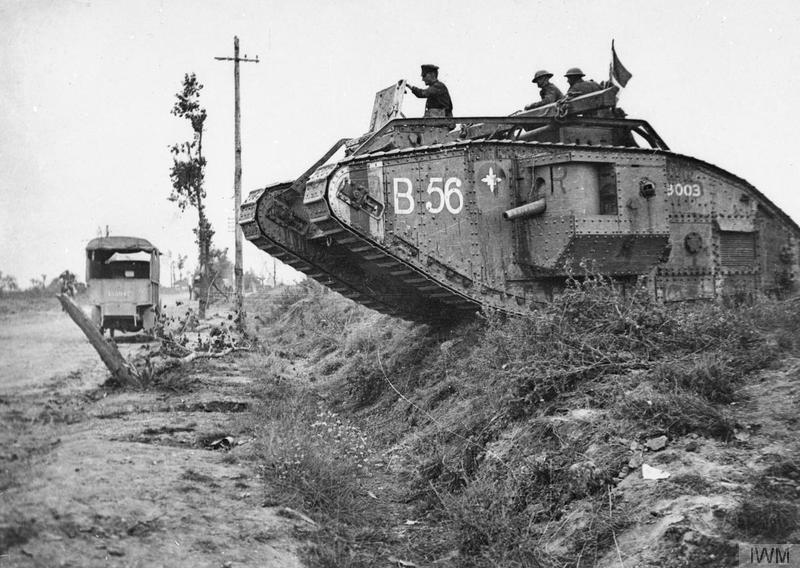
By Marcel Lorée – http://media.iwm.org.uk/iwm/mediaLib//361/media-361546/large.jpgThis photograph Q 68975 comes from the collections of the Imperial War Museums., Public Domain
The Battle of Amiens was characterized by a combination of new tactics and technological innovations. The coordinated use of infantry, artillery, tanks, aircraft, and cavalry played a vital role in the success of the offensive. The use of surprise was crucial; the initial bombardment was short and intense, catching the Germans off guard. Moreover, the infantry was supported by creeping barrages and tanks, which helped clear obstacles and neutralize enemy strongpoints.
The battle was a resounding success for the Allies. They achieved a significant breakthrough, advancing up to eight miles into German-held territory on the first day alone. This level of progress was unprecedented in the later stages of the war. The speed of the advance was facilitated by the use of combined arms tactics, with infantry, tanks, and aircraft working in coordination to exploit breaches in the enemy lines.
The Battle of Amiens marked a turning point in the war. The swift progress of the Allied forces and the capture of key positions put immense pressure on the German High Command. The battle shattered the morale of the German troops and exposed the vulnerabilities of their defensive strategies.
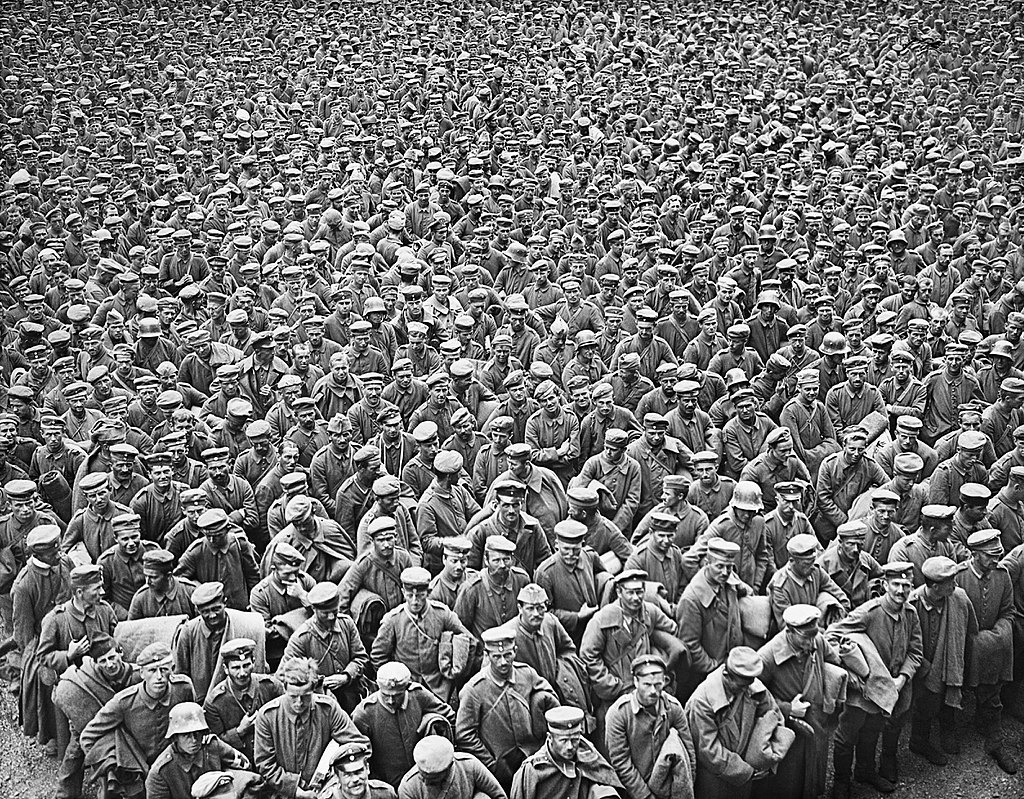
By David McLellan – http://media.iwm.org.uk/iwm/mediaLib//364/media-364900/large.jpgThis photograph Q 9271 comes from the collections of the Imperial War Museums., Public Domain,
The Battle of Amiens is often referred to as the “Black Day of the German Army” due to the heavy losses and the demoralizing impact it had on the German forces. This battle marked the beginning of a series of offensives known as the Hundred Days Offensive, during which the Allies continued to advance, pushing the Central Powers back and eventually leading to an armistice in November 1918.
The Battle of Amiens was a pivotal moment in World War I, demonstrating the effectiveness of combined arms tactics, innovative strategies, and technological advancements. The victory at Amiens shifted the momentum of the war in favor of the Allies, paving the way for the eventual collapse of the Central Powers. This battle is a testament to the adaptability and resilience of military forces during a time of immense global conflict.




 DAVE DOES HISTORY
Leave a comment