
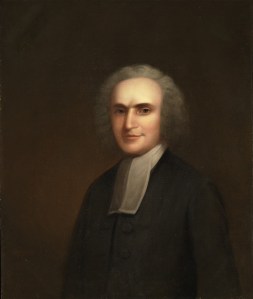
 The seeds of animosity between Aaron Burr and Alexander Hamilton were sown long before the duel. Both men were prominent political figures during the early years of the United States, but they represented contrasting ideologies and belonged to different political parties. Hamilton, a Federalist, believed in a strong central government and championed economic policies that favored the wealthy and powerful. On the other hand, Burr, a Democratic-Republican, advocated for states’ rights and championed the cause of the common man.
Their paths collided most dramatically during the presidential election of 1800. Burr, seeking the presidency himself, ran as Thomas Jefferson’s running mate. Hamilton, though deeply critical of Jefferson, saw Burr as an even greater threat and actively campaigned against him. The election resulted in a tie between Jefferson and Burr, forcing the House of Representatives to decide the outcome. Hamilton’s influence in the House proved pivotal, and Jefferson emerged as the victor, while Burr became the Vice President.
The final blow to their already strained relationship came in 1804 when Burr decided to run for the governorship of New York. Hamilton, once again, intervened and actively campaigned against Burr, accusing him of political opportunism and challenging his moral character. Burr, feeling deeply aggrieved by Hamilton’s relentless attacks, issued a challenge to a duel, a customary way to settle personal disputes in that era.
On the morning of July 11, 1804, the two adversaries met on a dueling ground in Weehawken, New Jersey. The duel was conducted with pistols, which were notoriously inaccurate, adding an element of chance to the encounter. As the seconds counted down, tension filled the air. It is said that both men fired their pistols within seconds of each other, and the result was tragic.
Hamilton, aiming to miss his opponent intentionally, fired into the air. Burr, however, took a different approach and aimed directly at Hamilton. The bullet struck Hamilton on his right side, piercing his liver and spine. Mortally wounded, Hamilton was carried back across the Hudson River to New York City, where he died the following day. The death of such a prominent figure, who played a crucial role in shaping the young nation, sent shockwaves throughout the country.
The duel had profound consequences for both men. Burr, while not convicted of any crime, faced widespread public condemnation and his political career was effectively ruined. Hamilton’s death was mourned by many, and his legacy as one of the founding fathers of the United States was solidified. The tragic nature of the duel further highlighted the need to reform the dueling culture, and it eventually led to the decline of dueling as a means of settling personal disputes.
The Aaron Burr versus Alexander Hamilton duel is a testament to the complexities of personal and political rivalries. It serves as a reminder of the high stakes and human cost that can accompany such conflicts. The story of this fateful encounter continues to captivate audiences, inspiring countless books, plays, and even a hit Broadway musical, ensuring that the legacy of these two influential figures will endure for generations to come.






 DAVE DOES HISTORY
Leave a comment