
The mid-20th century was a time of global upheaval and rapid change. From the ravages of two world wars to the fast-paced advances in technology and shifts in societal norms, the Catholic Church, like other institutions, felt the pressure to address its place in this changing world. In response to these challenges and to foster unity within the Church, Pope John XXIII surprised many when he announced, in 1959, the convening of an ecumenical council, which would be named the Second Vatican Council or Vatican II.
Vatican II addressed a broad range of topics, including:
1. Liturgical Practices: An emphasis was placed on a more participatory liturgy and inclusion of vernacular languages in the Mass instead of Latin.
2. Ecumenism: A drive for Christian unity and an emphasis on dialogue with other religions.
3. Scripture: The promotion of Biblical studies and a call for the faithful to familiarize themselves more with the Scriptures.
4. The Role of Laity: The council highlighted the significant role of the laity in the Church’s mission.
5. Church’s Social Responsibility: A call for the Church to engage with the modern world and address pressing societal issues.
Over the course of four sessions from October 11, 1962 to 1965, the council saw participation from a vast majority of the world’s Catholic bishops, theologians, and other religious experts. The open discussions and debates often marked a departure from previous councils. This inclusive approach allowed for a wide spectrum of views to be heard, from traditionalists to reformists.
Some key decisions and documents produced include:
1. Sacrosanctum Concilium: Focused on liturgy, this document allowed for the use of vernacular languages in the Mass.
2. Lumen Gentium: Addressed the nature of the Church and emphasized the universal call to holiness.
3. Nostra Aetate: Explored the relationship of the Church with non-Christian religions, promoting dialogue and understanding.
4. Gaudium et Spes: Addressed the Church’s relationship with the modern world, emphasizing social justice and peace.
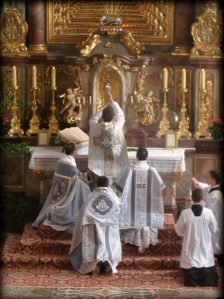
The most immediate and noticeable change was the shift from Latin to local languages in the Mass, allowing the laity to participate more fully. Additionally, the priest now faced the congregation, fostering a sense of community. Laypeople were also given a larger role in church services, acting as lectors or Eucharistic ministers. There was an increased emphasis on scripture readings and homilies, aiming to make them more relevant to contemporary life.
The Second Vatican Council left an indelible mark on the Catholic Church. While it faced some resistance, especially from those fearing excessive modernization, its effects are still evident today. The Council fostered a Church more open to the world, encouraging dialogue, promoting social justice, and deepening the faith of its members through more accessible liturgical practices.
While debates about the true spirit and implementation of Vatican II continue, its legacy as a council of renewal and engagement remains undeniable. In the years that followed, the Church has seen both challenges and successes, but Vatican II provided it with the tools to face the modern world with renewed vigor and faith.
My introduction to the 2nd Vatican Council came when I was very young and my grandparents, who can best be described as very devout southern protestants who hated John Kennedy, had a record album (yes… an LP) from a guy named Tom Lehrer that they had purchased for one song – The Vatican Rag.
They saw the song as absolutely hysterically mocking of the Roman Catholic Church, and of course, in their world view, that was fair game. As I have said before, much of my early introduction to history came from that Tom Lehrer album (The Year that Was), but that doesn’t men that I have the same views.
What I see in the song is a humorous way of questioning the changing of the liturgy and questioning whether it was about true worship or simply caving to mass entertainment?

 DAVE DOES HISTORY
Leave a comment