
October 9, 1740, stands out as one of the darkest days in the colonial history of Southeast Asia. On this day, Dutch colonists and Javanese natives in Batavia (modern-day Jakarta, Indonesia) unleashed a brutal massacre upon the local ethnic Chinese population. This event, rooted in economic, social, and political tensions, left a deep scar in the collective memory and has had a lasting impact on the region’s multicultural fabric.
The ethnic Chinese community in Batavia had grown increasingly prosperous and influential, often acting as middlemen in the trade between the Dutch and indigenous Javanese. Their economic success led to envy and resentment from both the Dutch colonists and Javanese.
Despite their economic integration, the Chinese community remained socially isolated. Differences in language, culture, and religion (many Chinese were Confucianists, Buddhists, or Taoists, contrasting with the Muslim Javanese and Christian Dutch) made them convenient targets for mistrust.

Public Domain
The VOC (Dutch East India Company) administration, fearing the increasing influence of the Chinese, had previously implemented policies to limit their economic and political power. Rumors circulated that the Chinese were plotting to overthrow the Dutch rule, further igniting suspicions.
In September 1740, the Dutch began deporting Chinese laborers to other parts of Java, citing overpopulation. However, some of these deportees were killed en route, igniting rumors that the Dutch intended to exterminate the Chinese.
On October 9, triggered by escalating tensions, mobs of Dutch soldiers and Javanese locals took to the streets of Batavia. Over the next several days:
– Houses, temples, and shops belonging to the Chinese were looted, burned, or destroyed.
– Thousands of Chinese men, women, and children were brutally murdered, while others fled or hid.
– Many Chinese were herded into designated areas only to be massacred en masse.
– As word spread, anti-Chinese violence expanded to other parts of Java.
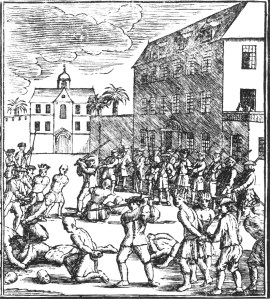
Public Domain
By the end of the massacre, estimates suggest between 5,000 to 10,000 Chinese had been killed, though precise numbers remain a subject of debate.
Many surviving Chinese fled Batavia, leading to a diaspora throughout the region. This scattering fostered the growth of Chinese communities in other parts of Indonesia and Southeast Asia.
The Batavia Massacre remains a poignant reminder of the dangers of ethnic tension and mistrust. In modern Indonesia, the events are remembered as part of broader discussions on colonial history, ethnic tensions, and the importance of multicultural harmony.
The massacre highlighted the limitations and dangers of VOC’s divide-and-rule policies. While the company continued its dominance, it became somewhat more cautious in its direct interference with ethnic communities.
In conclusion, the Batavia Massacre of 1740 was not just a tragic event but also a critical turning point in the history of Southeast Asia. Its lessons on the importance of mutual respect, understanding, and integration in multiethnic societies remain pertinent even today.




 DAVE DOES HISTORY
Leave a comment