
On September 29, 1906, the United States began its second occupation of Cuba, an event emblematic of the complex interplay of domestic and international forces in the early 20th century. This article delves into the reasons behind this occupation, the broader world political context, its duration, and the enduring legacy it left behind.
Why Did the U.S. Occupy Cuba in 1906?
– Cuban Domestic Turmoil: The political climate in Cuba was rife with tension. Following allegations of electoral fraud surrounding the re-election of President Tomás Estrada Palma, the Moderate party leader, opposition from the Liberal Party intensified, culminating in an armed revolt.
– The Platt Amendment’s Role: The Platt Amendment, a controversial addendum to the Cuban Constitution imposed by the U.S. in 1901, essentially granted the U.S. the right to intervene in Cuban affairs for the maintenance of a stable government and the protection of Cuban independence. The unrest provided a justification, in American eyes, for intervention.
– U.S. Economic Interests: The island held considerable economic significance for the U.S., with American businesses heavily invested in Cuban industries, notably sugar. The ongoing political instability threatened these interests.
Public Domain
World Political Context: The Backdrop of Intervention
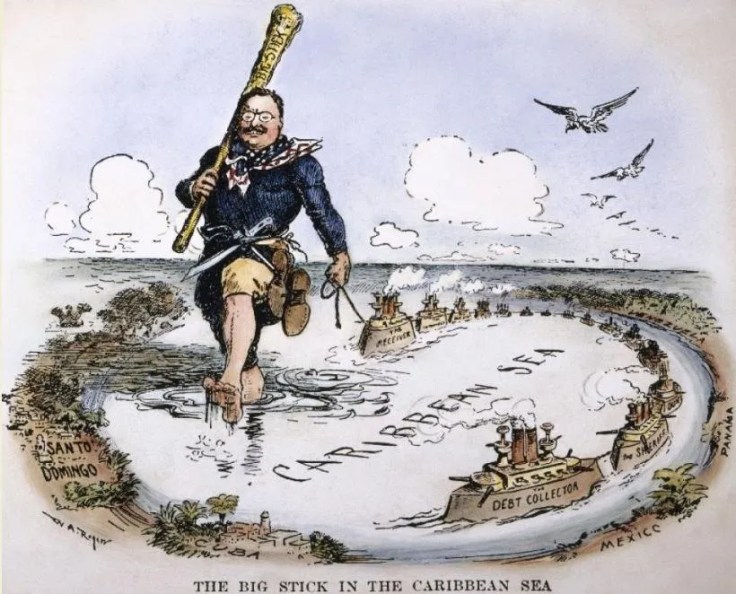
– A High Tide of American Imperialism: The dawn of the 20th century witnessed a more assertive U.S. foreign policy. Following victories like the Spanish-American War in 1898, the U.S. had annexed territories including Puerto Rico, Guam, and the Philippines. Cuba, though nominally independent, fell under this expanding American sphere of influence.
– The Monroe Doctrine’s Shadow: Since 1823, the Monroe Doctrine had asserted U.S. dominance in the Western Hemisphere. The doctrine, which discouraged European intervention in the Americas, was a foundational tenet of U.S. policy and often provided the rationale for its interventions in Latin America.
The Occupation’s Timeline
The U.S. forces, under the leadership of William Howard Taft, then Secretary of War, began their occupation in September 1906. Their primary mission was to restore order and oversee fair elections. This objective was achieved by 1908, with José Miguel Gómez emerging as the new Cuban president. Consequently, U.S. troops withdrew in 1909, marking an end to this chapter of occupation.
Legacy of the 1906 Occupation
– Economic Ties Intensified: The occupation further enmeshed the Cuban economy with the U.S., as American businesses expanded their foothold, particularly in the sugar industry. This economic dependence would have lasting implications for Cuban politics and society.
– Cuban Sovereignty in Question: The very fact of U.S. intervention, made possible by the Platt Amendment, fostered a narrative of compromised Cuban sovereignty. This perception was accentuated by subsequent U.S. interventions, casting a shadow over Cuban-U.S. relations.
– Seeds of Future Discontent: While the immediate goals of the occupation were met, the broader implications fostered an environment of mistrust. This complex legacy would come to the fore in the mid-20th century with events like the Cuban Revolution, which was, in part, a reaction to perceived neo-imperialist interventions.
In conclusion, the U.S. occupation of Cuba in 1906 was not an isolated event but a chapter in the intricate narrative of Cuban-American relations. Rooted in a blend of domestic Cuban challenges and the overarching geopolitics of the era, its effects reverberated well into the 20th century, shaping the trajectories of both nations.




 DAVE DOES HISTORY
Leave a comment