
On September 27, 1964, the Warren Commission, tasked with investigating the assassination of President John F. Kennedy, released its findings in a report that would become one of the most debated documents in modern American history. Over five decades later, the Warren Report remains both a foundational source on the JFK assassination and a lightning rod for controversy and conspiracy theories.
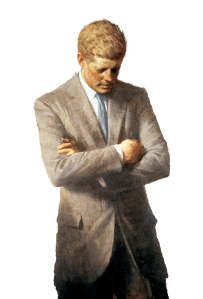 In the wake of President Kennedy’s assassination on November 22, 1963, there were immediate calls for a comprehensive, transparent, and independent investigation. With a swirl of rumors, confusion, and widespread public grief, President Lyndon B. Johnson established the President’s Commission on the Assassination of President Kennedy just seven days after the tragic event. The objective was clear: ascertain and evaluate the facts related to the assassination and the subsequent killing of Lee Harvey Oswald by Jack Ruby.
The commission was headed by Chief Justice Earl Warren. Other members included:
– Senator Richard B. Russell Jr. of Georgia
– Senator John Sherman Cooper of Kentucky
– Representative Hale Boggs of Louisiana
– Representative Gerald Ford of Michigan (who would later become the 38th President of the U.S.)
– Allen W. Dulles, former Director of the Central Intelligence Agency
– John J. McCloy, a prominent lawyer and former president of the World Bank
The Warren Report concluded that:
1. Lee Harvey Oswald acted alone in shooting Kennedy from a sixth-floor window of the Texas School Book Depository in Dallas.
2. There was no evidence of a conspiracy, either foreign or domestic.
3. Jack Ruby also acted alone when he killed Oswald two days later.
4. Neither Oswald nor Ruby were part of any conspiracy to assassinate President Kennedy.
From the moment of its publication, the report faced criticism. Many found it hard to believe that a lone gunman could have orchestrated the assassination. Skeptics pointed to:
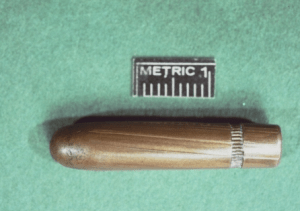
Public Domain
– The ‘Magic Bullet’ Theory: Critics questioned how a single bullet could cause multiple wounds on Kennedy and Texas Governor John Connally, who was riding in the car with the president.
– Acoustics Evidence: Some believed audio recordings suggested more than three shots were fired.
– Witness Testimonies: Discrepancies in witness testimonies fueled speculation about additional gunmen.
– Recent articles have revealed information about the Magic Bullet that was unknown to the Commission
Over time, multiple other theories have emerged, involving potential actors ranging from the mafia to the U.S. government.
The Warren Report, despite its thoroughness and the integrity of its authors, remains a point of contention. Its primary legacy may be the widespread skepticism it inadvertently ignited about official narratives. This skepticism led to further government investigations:
– In the late 1970s, the House Select Committee on Assassinations concluded that JFK was probably assassinated as a result of a conspiracy, though it couldn’t pinpoint the actors involved.
The Warren Report also birthed a culture deeply fascinated with conspiracy theories. Books, documentaries, and movies like Oliver Stone’s *JFK* have kept public doubt alive, ensuring that discussions around the 35th president’s assassination remain as vibrant and contentious as ever.
In conclusion, the Report, which was aimed at providing clarity, inadvertently gave rise to a multi-generational debate on one of the darkest days in American history. It stands as a testament to the challenges of seeking truth in a world where facts are often as elusive as they are crucial.


 DAVE DOES HISTORY
Leave a comment