
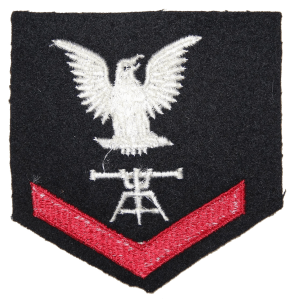
 September 20, 1982 was both a great day for me personally, and a disappointing day. I graduated from SWSE “A” School and was promoted to FTB3. A few hours later, the NFL went on strike. After missing most of the 1981 season in Basic Training, I had been looking forward to the 82 Season. Alas… it was not to be… By the time the 1982 Season ended, I was in Bangor, WA, for Mk98 Mod 0 “C” School.
In the annals of American professional football, the NFL strike of 1982 stands as a pivotal moment that disrupted the game and left an indelible mark on the league’s history. This article delves into the causes of the strike, its immediate impact, the complex settlement negotiations, and how the remainder of the season played out amidst this unprecedented labor dispute.
The seeds of the NFL strike were sown years before the walkout in 1982. Players had been growing increasingly dissatisfied with their working conditions and compensation. Key issues that fueled their discontent included inadequate pension plans, subpar healthcare benefits, and a lack of free agency, which severely restricted players’ mobility and bargaining power.
Prominent figures in the players’ push for better working conditions included Ed Garvey, the executive director of the NFL Players Association (NFLPA), and Gene Upshaw, the NFLPA president and Hall of Fame offensive lineman.
The owners’ proposals, which included significant cuts to player benefits and the elimination of cost-of-living increases, proved to be the breaking point. These proposals led to a call for a strike on September 21, 1982.
The strike began on September 21, 1982, resulting in the postponement of games. The opening weekend of the season was marred by empty stadiums as replacement players, often lacking the skill and experience of their striking counterparts, took the field.
The strike also had a significant impact on television networks, which struggled to attract viewers to games featuring replacement players. Fans, accustomed to the high level of play in the NFL, expressed their displeasure with the situation.
Intensive negotiations between the NFLPA and the owners eventually led to a breakthrough. The key turning point was the inclusion of a revenue-sharing plan, which would allocate a portion of the league’s profits to player salaries and benefits.
After a 57-day strike, the NFLPA voted to end the walkout on November 16, 1982. Players returned to practice, and the season resumed with Week 11.
With only nine games remaining in the regular season, the NFL had to make adjustments to accommodate the strike. The league adopted a 16-team playoff format, with eight teams from each conference advancing.
The Washington Redskins ultimately emerged as the champions of Super Bowl XVII, defeating the Miami Dolphins. The season concluded with a sense of relief and accomplishment, but also lingering tension between players and owners.
The NFL strike of 1982 was a landmark moment in the league’s history, highlighting the power of player solidarity and the need for equitable labor conditions. While the strike disrupted the season, it ultimately led to important concessions and a more equitable revenue-sharing arrangement between players and owners. This turbulent chapter serves as a reminder of the complex dynamics that underlie professional sports and the enduring importance of labor rights and fair compensation in the NFL.
A year late, I would receive my orders to USS Michigan SSBN-727(G).




 DAVE DOES HISTORY
Leave a comment