
Public Domain
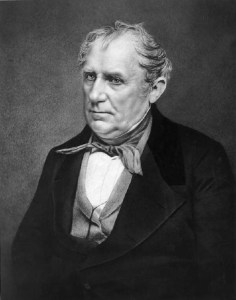
James Fenimore Cooper, an American novelist from the 19th century, is best known for his literary contributions that helped shape the American novel and establish a distinct genre known as the “Leatherstocking Tales.” His life and works offer a compelling glimpse into the early days of American literature and the exploration of American identity. In this blog post, we will delve into the life of James Fenimore Cooper, highlighting his major works and lasting legacy.
James Fenimore Cooper was born on September 15, 1789, in Burlington, New Jersey, into a prominent and prosperous family. He was the eleventh of twelve children. His father, Judge William Cooper, was a land speculator, entrepreneur, and political figure. Young James spent his formative years in upstate New York, amidst the scenic beauty of the frontier.
Cooper began his writing career relatively late, in his early thirties, but once he started, he proved to be a prolific and influential author. His most famous series of novels, the “Leatherstocking Tales,” featured the iconic character Natty Bumppo, also known as Hawkeye. The five novels in this series are:
1. The Pioneers (1823): This was the first novel to introduce Natty Bumppo, an archetypal American frontiersman who interacts with both Native American and European settlers.
2. The Last of the Mohicans (1826): Perhaps Cooper’s most famous work, this novel follows Natty Bumppo and his Mohican friend Chingachgook during the French and Indian War.
3. The Prairie (1827): In this novel, Natty Bumppo embarks on an epic journey across the American Midwest.
4. The Pathfinder (1840): Set during the French and Indian War, this novel explores themes of love and heroism through the character of Pathfinder.
5. The Deerslayer (1841): This final installment in the Leatherstocking Tales serves as a prequel, detailing the youthful adventures of Natty Bumppo.
James Fenimore Cooper’s literary legacy is profound and multifaceted. His works, particularly the Leatherstocking Tales, contributed to the development of the American novel. Cooper’s novels explored themes of wilderness, frontier life, Native American relations, and the clash of cultures. They provided a unique perspective on the formation of American identity and the challenges faced during westward expansion.
Cooper’s influence extended beyond American literature. He was among the first American novelists to gain international recognition, inspiring writers like Alexandre Dumas and Jules Verne. His work also paved the way for later American authors like Mark Twain and Ernest Hemingway, who would further define American literature.
James Fenimore Cooper’s life and works have left an enduring mark on American literature and the exploration of American identity. His vivid storytelling, memorable characters like Natty Bumppo, and exploration of complex themes continue to captivate readers and scholars alike. Cooper’s legacy is a testament to the power of literature to shape and reflect the evolution of a nation.



 DAVE DOES HISTORY
Leave a comment