
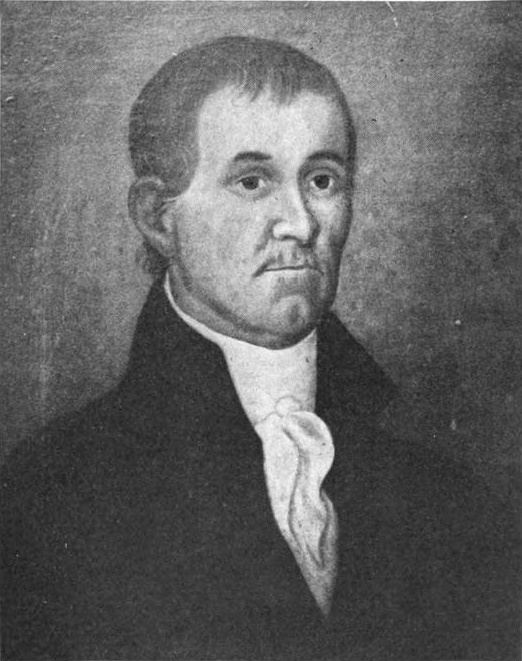
In the midst of the American Revolutionary War, the Continental Army sought innovative ways to challenge the dominant British naval fleet. One such attempt was the creation of the Turtle, a one-man submersible designed by David Bushnell, a Yale graduate and an inventive mind of his time.
Public Domain
On the night of September 7, 1776, Ezra Lee, an Army volunteer, piloted the Turtle in an audacious attempt to attach a timed explosive device to the hull of the HMS Eagle, the flagship of the British fleet anchored in New York Harbor.
Lee maneuvered the Turtle (so named because of its appearance) underwater towards the Eagle. The submarine’s propulsion system consisted of hand-operated propellers and its air supply was limited, providing roughly 30 minutes of breathable air. The intention was for Lee to drill into the hull of the ship and affix the explosive charge.
However, the mission did not go as planned. Attempting to penetrate the ship’s hull proved difficult, possibly due to encountering an iron-reinforced section. After multiple attempts and with air running low, Lee was forced to abandon the mission. The explosive charge he intended to attach to the Eagle was released into the water, where it detonated harmlessly at a distance, alerting but not harming the British fleet.
The Turtle’s mission against the Eagle is significant for several reasons:
1. Innovation: This was one of the earliest recorded uses of a submarine in warfare. The very idea of submerging a vessel to engage an enemy ship was groundbreaking and illustrated the lengths to which the revolutionaries were willing to go to challenge British naval supremacy.
2. Psychological Warfare: While the attack was unsuccessful in causing physical harm, it had psychological implications. The realization that a submerged enemy could strike without warning was alarming and forced the British to consider new defensive measures.
3. Potential: While not successful, the Turtle showcased the potential of undersea warfare and set the stage for future developments in this realm.
The legacy of the Turtle is both symbolic and practical:
1. Naval Evolution: The Turtle can be viewed as a precursor to modern submarines. While there would be many more technological advances required before submarines became effective instruments of war, the Turtle’s innovative approach laid foundational ideas for future naval warfare.
2. Ingenuity in Adversity: The Turtle symbolizes the American spirit of ingenuity and determination in the face of overwhelming odds. This theme, present throughout the Revolutionary War, serves as an inspirational tale for future generations.
3. Historical Curiosity: Today, the Turtle stands as a remarkable engineering achievement of its time and is often highlighted in naval history as a testament to the innovative spirit of the American Revolution.
In sum, while the Turtle’s mission against the HMS Eagle was not successful in its immediate objectives, its broader implications for naval warfare and its symbolic significance in the context of American revolutionary spirit have ensured its place in history.




 DAVE DOES HISTORY
Leave a comment