
The Second Battle of Bull Run (or Second Manassas) was a critical confrontation during the American Civil War, and the events of 29th August 1862, the second day of the battle, played a pivotal role in shaping the battle’s outcome.
On the morning of the 29th, Union forces under Major General John Pope felt confident. They believed they had successfully cornered a portion of Lee’s army, commanded by Stonewall Jackson, and sought to capitalize on this perceived advantage.
The day began with Union probing attacks against Jackson’s lines, which were positioned along an old, unfinished railroad grade. Pope’s intention was clear: dislodge Jackson and potentially destroy this isolated wing of Lee’s army before it could be reinforced.
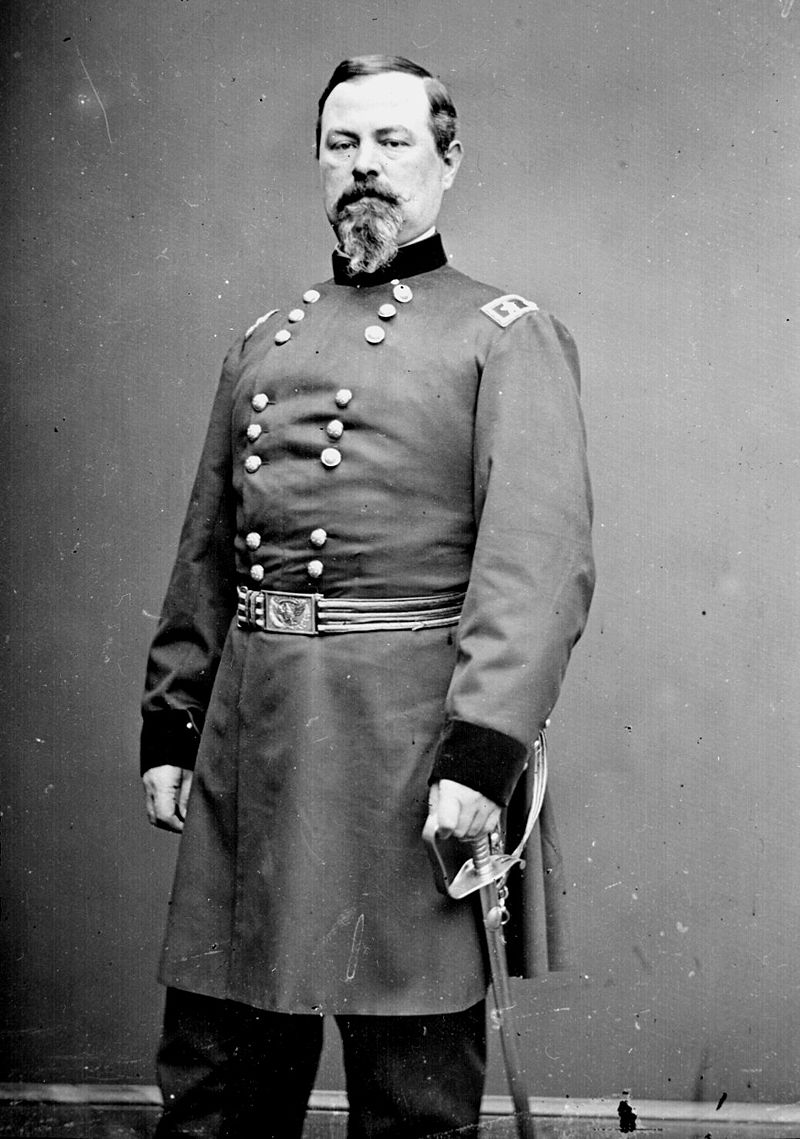
Public Domain
By early afternoon, the skirmishes escalated as the Union’s III Corps, commanded by Major General Irvin McDowell, pressed against Jackson’s left flank. The Confederate defenders, although outnumbered, held a strong defensive position.
However, things were not as they seemed. Unknown to Pope, General Robert E. Lee had already dispatched James Longstreet’s wing of the army to reinforce Jackson. These fresh troops began to arrive on the battlefield, dramatically bolstering Confederate strength.
Despite not achieving a decisive breakthrough, Pope misinterpreted the situation. He believed that the Confederates were on the verge of retreating. As a result, he ordered a series of assaults against Jackson’s line, thinking he was capitalizing on a Confederate withdrawal. Instead, he was sending his men into a meat grinder.
To make matters worse for the Union, by late afternoon, the leading elements of Longstreet’s corps had arrived on Jackson’s right flank, effectively doubling the Confederate force present and creating a formidable defensive line.
By evening, the Union forces had not only failed to dislodge Jackson but had also suffered heavy casualties in their repeated and uncoordinated assaults. The stage was now set for an even larger confrontation. With Longstreet’s forces now on the field and poised to strike, the Union Army faced the prospect of confronting the full strength of Lee’s combined forces.
The events of 29th August highlighted several key aspects of the Second Battle of Bull Run:
1. **Miscommunication and Misinterpretation:** Pope’s misreading of the battlefield situation on the 29th led to costly and uncoordinated assaults against well-entrenched Confederate positions.
2. **Confederate Defensive Prowess:** The Confederate forces, particularly those under Jackson, showcased their ability to defend and hold crucial terrain against superior numbers.
3. **The Union’s Missed Opportunity:** The Union forces had a window of opportunity in the early phases of the battle to potentially overwhelm Jackson’s corps before Confederate reinforcements arrived. However, due to a combination of misinterpretation, lack of coordination, and robust Confederate defense, this opportunity was squandered.
The events of 29th August set the stage for the battle’s climax on the 30th, where Lee’s combined forces would launch a devastating counterattack, leading to a decisive Confederate victory.




 DAVE DOES HISTORY
Leave a comment