
Born on August 27, 1908, in Stonewall, Texas, Lyndon Baines Johnson, often referred to as LBJ, grew up in a modest environment. From his New Deal-era roots, LBJ climbed the political ranks, serving in the House of Representatives, Senate, and as John F. Kennedy’s Vice President. His ascent to the presidency, following JFK’s assassination in 1963, ushered in an era of immense change for America, both domestically and abroad.
Public Domain
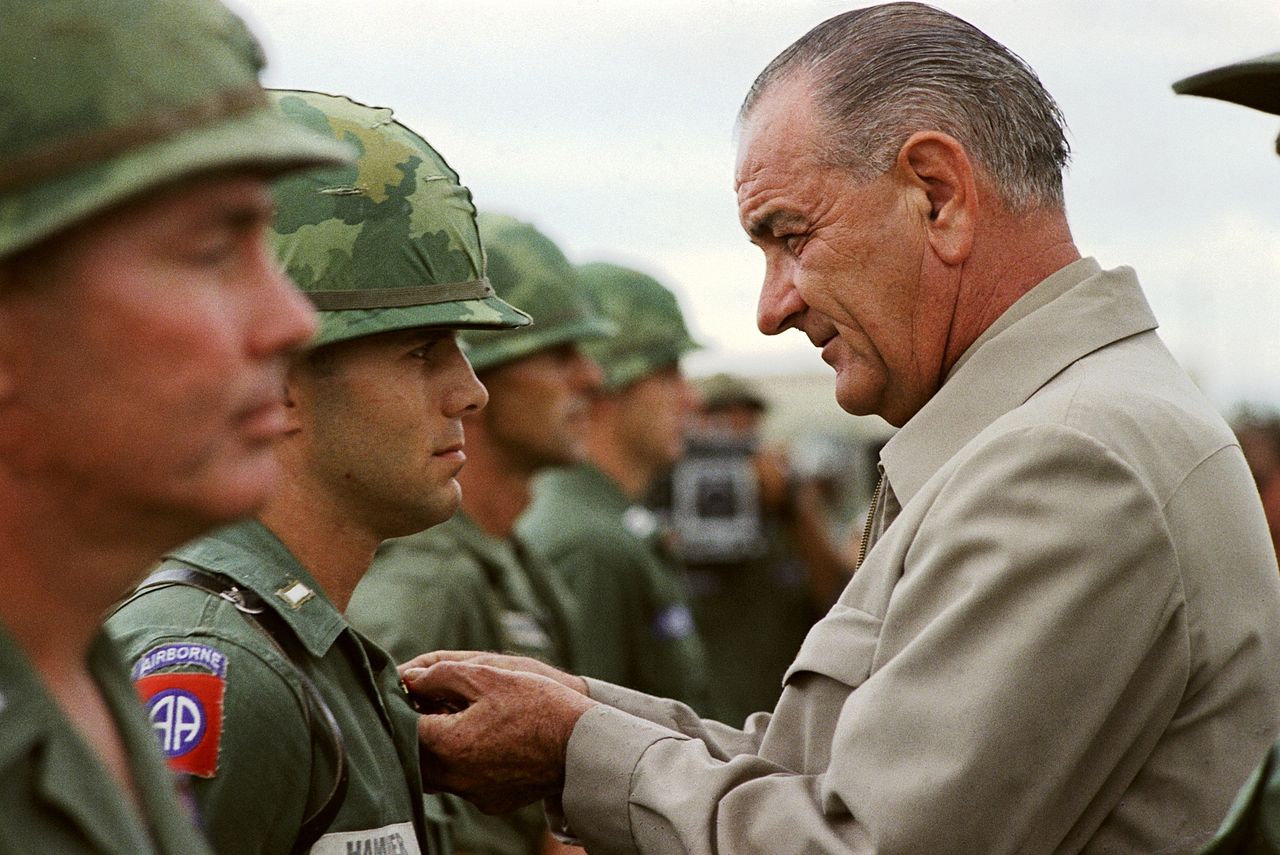
LBJ inherited the Vietnam situation from his predecessors, Eisenhower and Kennedy. Both had committed to aiding the South Vietnamese government against the communist North and its Viet Cong allies in the South. But under LBJ, American involvement intensified significantly.
Following the Gulf of Tonkin incident in August 1964, where North Vietnamese naval vessels allegedly attacked U.S. ships, Congress passed the Gulf of Tonkin Resolution, granting LBJ broad military powers in Vietnam. This was a turning point. Troop levels surged from 16,000 when JFK died to over 500,000 by 1968. The objective was clear: prevent a communist takeover in South Vietnam.
As the war dragged on, it became clear that a quick victory was elusive. The Tet Offensive in January 1968, where Viet Cong and North Vietnamese troops launched coordinated attacks on major South Vietnamese cities, shocked the American public and military, shattering confidence in government reports of prior progress. Privately, even Johnson expressed doubts about the war, as recorded in phone conversations, but felt trapped in a dilemma where withdrawal could lead to a communist victory and further escalation could expand the war beyond Vietnam.
Domestically, the anti-war movement gained momentum. Protests erupted across college campuses and major cities. The war, televised more intensively than any before it, brought its horrors into American living rooms. LBJ’s policies were increasingly viewed as misguided, leading to unnecessary loss of American and Vietnamese lives.
By 1968, LBJ was under tremendous strain. The Vietnam War was increasingly unpopular, and the country was deeply divided. Added to this, the Civil Rights Movement, another transformative agenda of his presidency, was leading to significant societal tensions.
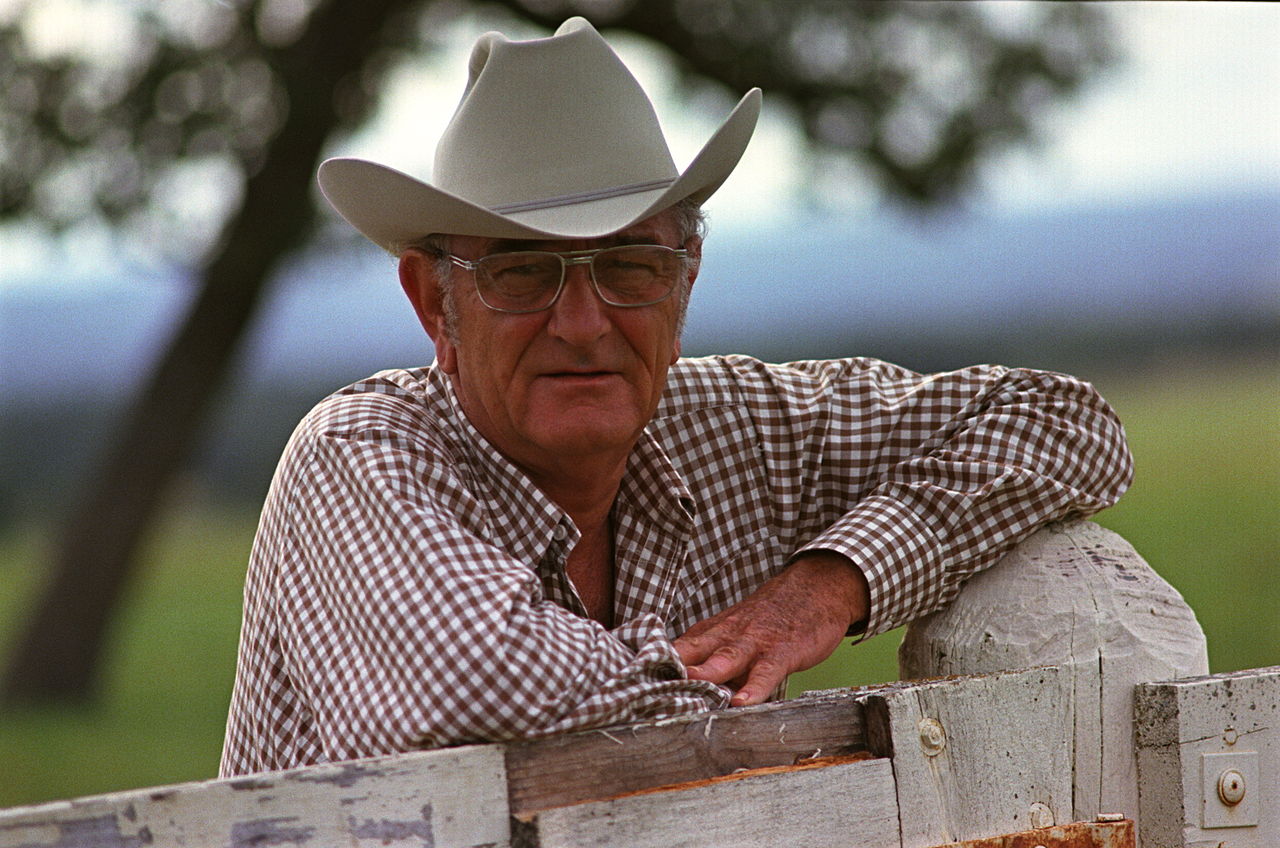
On March 31, 1968, in a televised address about the Vietnam War, LBJ surprised the nation with his announcement: “I shall not seek, and I will not accept, the nomination of my party for another term as your President.”
Several reasons influenced his decision:
1. **Personal Health:** LBJ had a history of heart problems, and the stresses of the presidency, especially overseeing the Vietnam War, were taking a toll on his health.
2. **War Unpopularity:** LBJ was a keen political observer. He knew the public mood was against the war, which reflected on him directly.
3. **Legacy Concerns:** Johnson, who passed significant civil rights, education, and welfare programs under his ‘Great Society’ initiative, feared that the Vietnam War would overshadow these accomplishments.
Public Domain
LBJ’s decision not to run in 1968 was a rare instance of a sitting president stepping back from power, showcasing the enormous strain that the Vietnam War had placed on American society and its leaders. While his domestic accomplishments, especially in civil rights, were profound and transformative, Vietnam remains a significant, often divisive, part of his legacy. The war’s lessons continue to shape American foreign policy, serving as a cautionary tale about the limits of military intervention.
In conclusion, Lyndon B. Johnson’s presidency was one of significant achievements and profound challenges. His decision not to run for re-election in 1968, against a backdrop of an unpopular war and domestic upheaval, underscores the complexities of leadership during one of the most turbulent periods in American history.




 DAVE DOES HISTORY
Leave a comment