
The story of the 19th Amendment is one of persistence, activism, and the relentless pursuit of justice. Its ratification in 1920 marked a watershed moment in American history, finally granting women the right to vote, a right that had been denied to them for far too long. Let’s journey through the turbulent path that led to the ratification of this crucial amendment and recognize the indomitable spirits who made it happen.
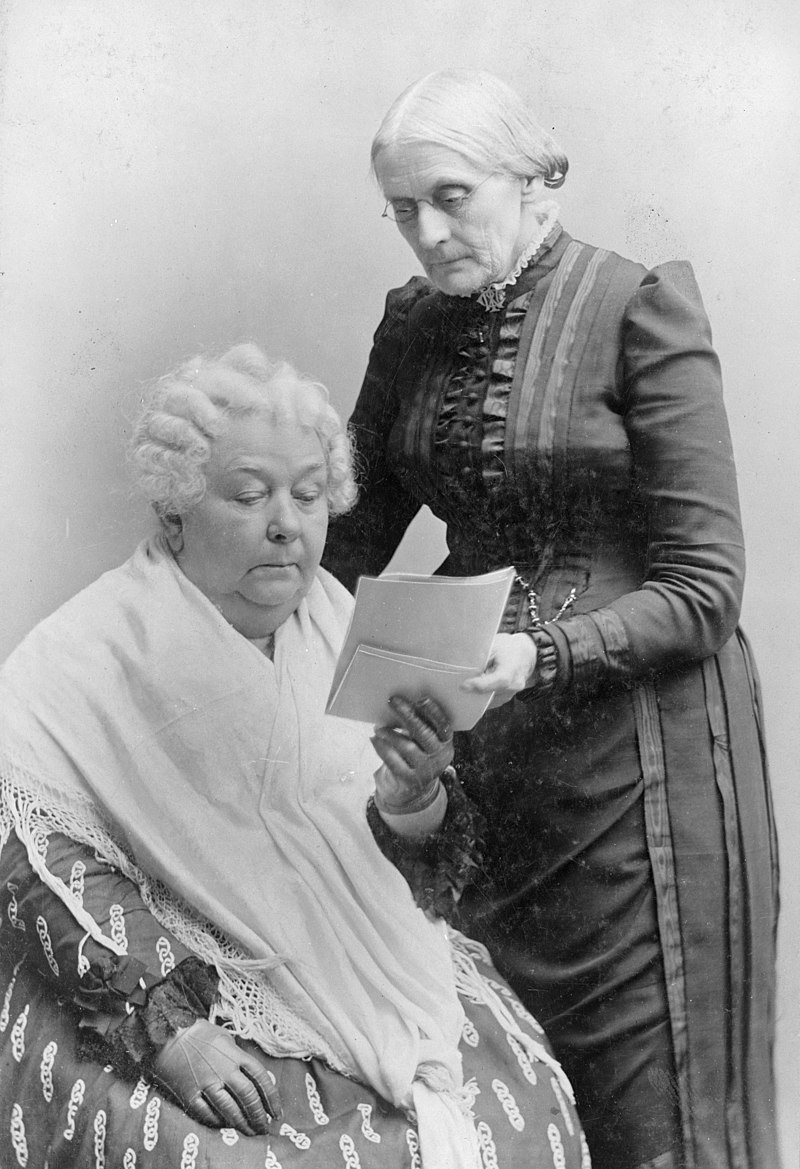
The quest for women’s suffrage began long before the 20th century. Early suffragists, like Elizabeth Cady Stanton and Lucretia Mott, organized the seminal Seneca Falls Convention in 1848. It was here that the “Declaration of Sentiments,” a revolutionary document demanding equal rights for women, including the right to vote, was adopted.
public Domain
The latter half of the 19th century saw an intensification of the women’s suffrage movement. Leaders like Susan B. Anthony played pivotal roles. In a bold act of defiance, Anthony even cast a vote in the 1872 election, leading to her arrest. Though she was fined, she refused to pay, turning her trial into a platform to champion women’s rights.
Meanwhile, organizations like the National Woman Suffrage Association (NWSA) and the American Woman Suffrage Association (AWSA) emerged. While they initially had differing strategies — with the NWSA focusing on a nationwide constitutional amendment and the AWSA targeting individual states — they eventually merged in 1890 to form the National American Woman Suffrage Association (NAWSA), combining their efforts to secure the vote for women.
The early 20th century saw the rise of new suffrage leaders, including Carrie Chapman Catt and Alice Paul. While Catt advocated for a more moderate, state-by-state approach, Paul and her followers took a more militant stance, organizing large-scale parades, pickets, and hunger strikes.
One particularly notable event was the 1913 Women’s Suffrage Parade in Washington, D.C., organized by Paul. Thousands of suffragists marched, demanding their right to vote, but were met with hostility and violence from spectators. The event, and the violent reactions to it, drew national attention to the cause.
With World War I’s onset, many suffragists pointed out the hypocrisy of fighting for democracy abroad while denying it to women at home. Their arguments, combined with decades of activism, finally began to bear fruit.

Public Domain
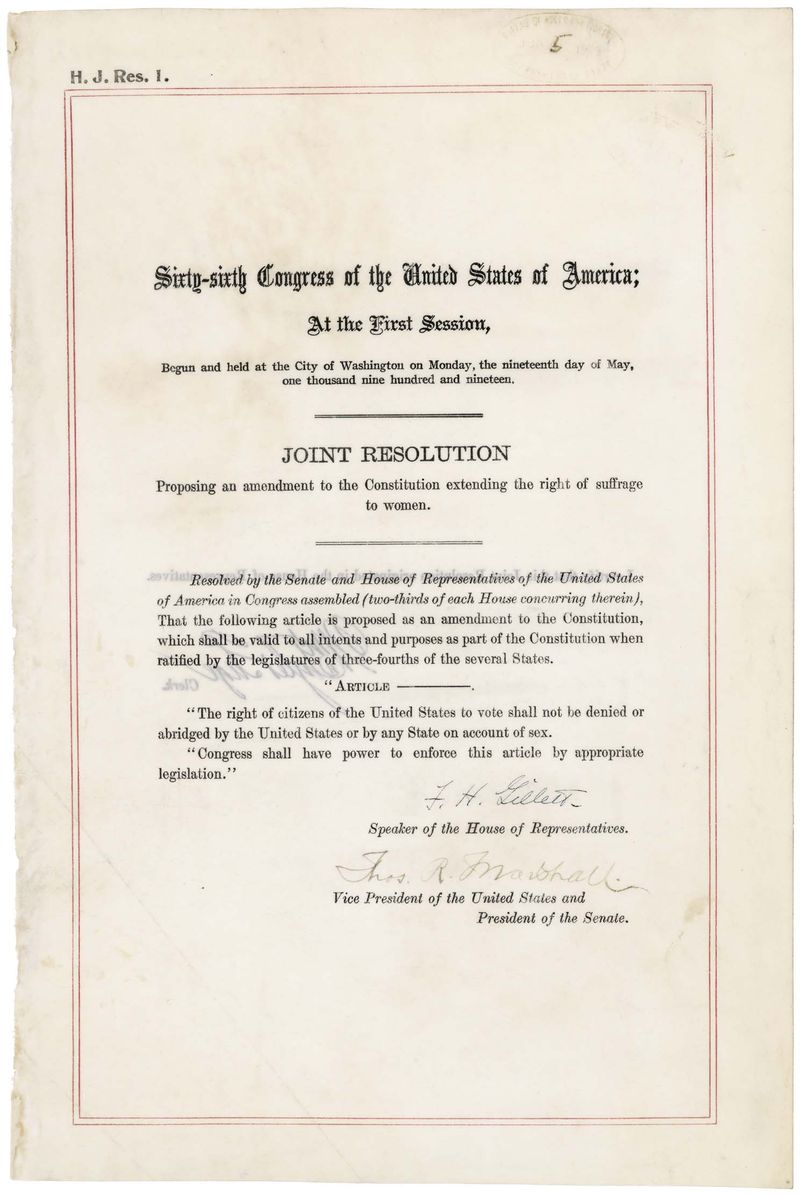
In 1919, after considerable debate and advocacy, Congress passed the 19th Amendment. It read: “The right of citizens of the United States to vote shall not be denied or abridged by the United States or by any State on account of sex.”
But the battle was not yet won. The amendment needed ratification from 36 states to be added to the Constitution. Over the next year, state after state ratified the amendment, with Tennessee becoming the crucial 36th state on August 18, 1920.
National Archives
The ratification of the 19th Amendment was a monumental achievement, but it was not the end of the fight for voting rights. Many women of color, particularly Black women in the South, still faced significant barriers, including literacy tests, poll taxes, and outright intimidation. The broader fight for voting rights for all Americans would continue for decades, culminating in the Voting Rights Act of 1965.
Today, the 19th Amendment stands as a testament to the determination of countless women who refused to be silenced. Their resilience, their commitment to justice, and their vision for a more inclusive democracy continue to inspire and remind us of the power of civic engagement and activism. As we reflect on their journey, we are reminded of the ongoing struggle for equality and the importance of ensuring every voice is heard.




 DAVE DOES HISTORY
Leave a comment