
The story of the Pendle witches is one of the most notorious witchcraft trials in English history. Taking place in 1612, it saw ten people from the area around Pendle Hill in Lancashire hanged for witchcraft. But what led to these accusations and trials? And what does it tell us about the socio-political climate of England during the early 17th century? Let’s delve into the haunting story of the Pendle witches.
The early 17th century was a time when belief in the supernatural was widespread. Witches were blamed for everything from failed crops to illnesses. King James I, who ascended the English throne in 1603, had a keen interest in witchcraft. He even authored a book, ‘Daemonologie’, which explored the topic and solidified his belief that witches were real and a tangible threat to the kingdom.
This belief permeated society, leading to heightened fears and suspicions. It was against this backdrop that the events in Pendle took shape.
Public Domain
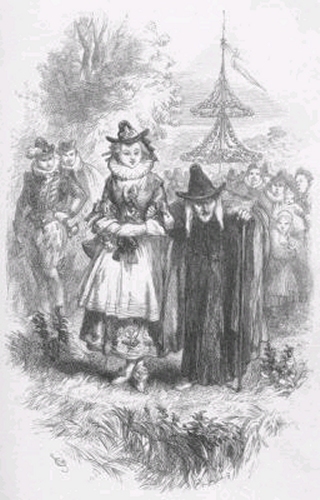
The Pendle witch story began with an altercation between Alizon Device and a pedlar named John Law. Alizon, while on the road, encountered Law and asked him for some pins (which, interestingly, were often associated with witchcraft). When Law refused, an argument ensued, and shortly after, Law suffered a stroke. This event would lead Law’s son to accuse Alizon of witchcraft.
Alizon Device, when questioned, not only confessed to the crime but also implicated her own family and others in the community. This set off a chain reaction of accusations. Family feuds, local rivalries, and disputes contributed to an atmosphere of distrust and fear.
Notably, two key figures in the narrative were Alizon’s grandmother, Elizabeth Southerns (or “Old Demdike”), and Anne Whittle (“Old Chattox”). Both elderly women had reputations as witches, and their longstanding rivalry further fueled the hysteria.
Following a series of examinations by Roger Nowell, a local magistrate, numerous individuals were arrested, including members of the Device family, the Redferns, and others.
The trials took place over two days in August 17-18, 1612 at Lancaster Assizes. The chief witness for the prosecution was Jennet Device, the nine-year-old sister of Alizon. Her damning testimonies against her own family and neighbors were pivotal in the convictions. This trial was unique not just for the sheer number of those accused, but also because of the detailed clerk recordings. Thomas Potts documented the proceedings, later publishing them in a book titled “The Wonderfull Discoverie of Witches in the Countie of Lancaster.”
The evidence presented was flimsy by today’s standards, consisting mainly of hearsay, confessions (often obtained under duress), and the supposed “proof” of physical marks on the accused, believed to be the Devil’s marks.
In the end, ten people were found guilty of causing harm by witchcraft and were hanged. One died in prison, and only one, Elizabeth Device, was found not guilty.
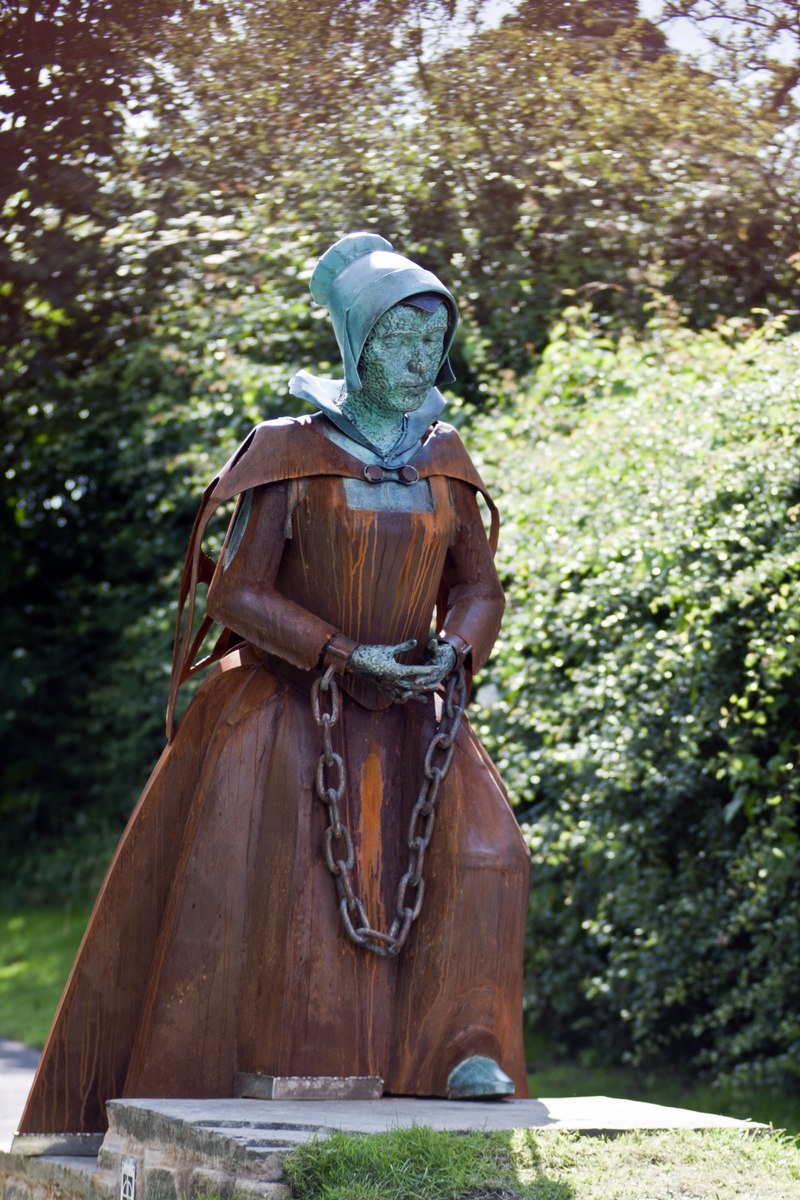
The Pendle witch trials, while particularly notorious, were part of a broader trend. Throughout the 16th and 17th centuries, an estimated 500 people were executed for witchcraft in England. However, by the end of the 17th century, social attitudes began to change. The Witchcraft Act of 1735 marked a significant shift, making it a crime to claim that any person had magical powers or was guilty of practicing witchcraft.
The story of the Pendle witches remains a haunting tale of how fear, superstition, and social tensions can lead to grave injustices. Today, the events are remembered as a cautionary tale. Pendle Hill and its surrounding areas have embraced this dark chapter of their history, with numerous books, plays, and tourist attractions keeping the memory alive.
The Pendle witch trials serve as a stark reminder of the dangers of unchecked hysteria and the importance of due process and justice. In a world where “witch hunts” of different kinds still occur, the lessons from Pendle are as relevant today as they were over 400 years ago.




 DAVE DOES HISTORY
Leave a comment