
My introduction to Shakespeare came in 1980 at Ogden High school. Mrs. Darrington, one of the the four best teachers I ever had, opened us up to the playwright, starting with the Scottish Play. For whatever it’s worth, I played Banquo, while my best friend got the lead as Macbeth.
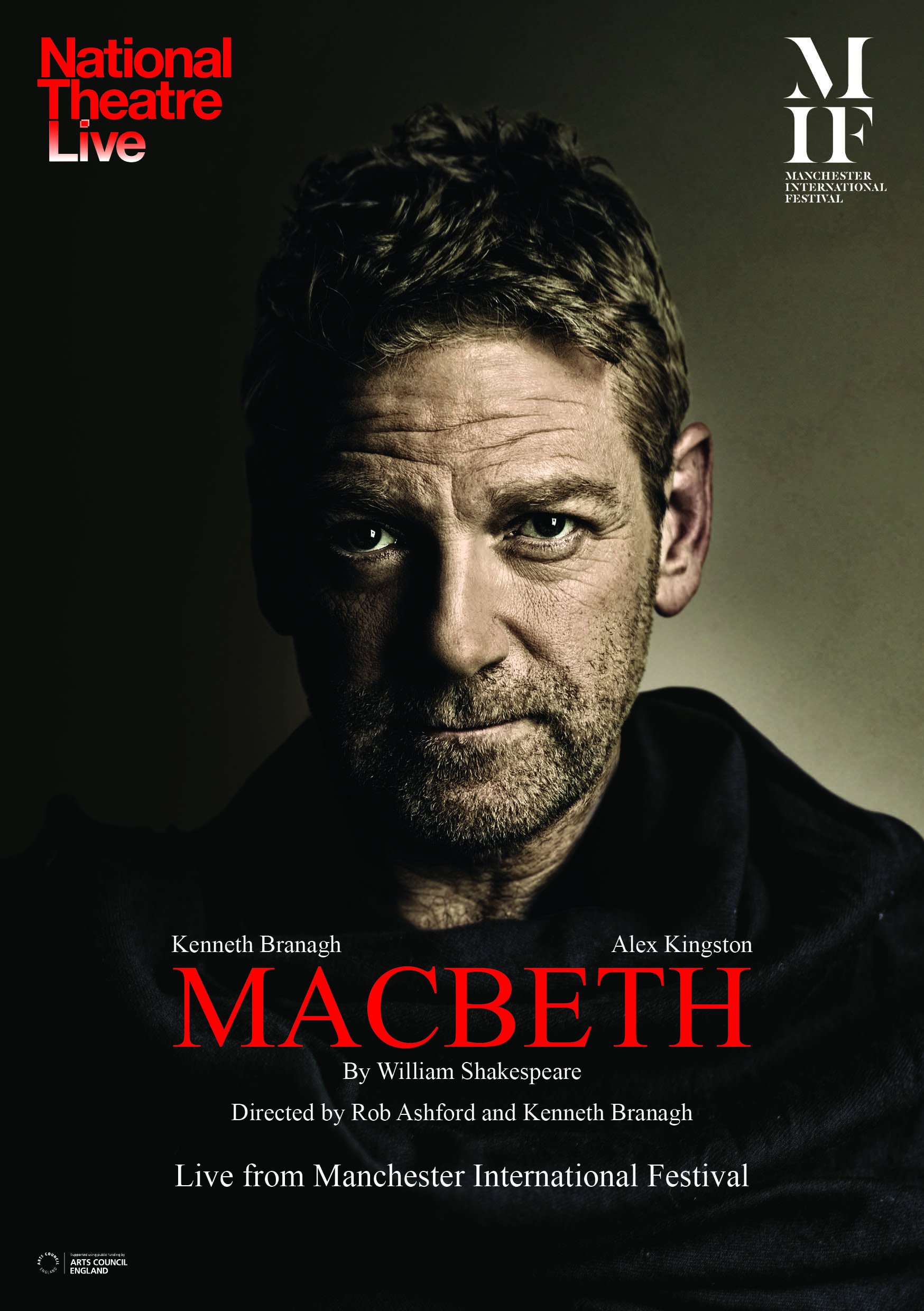
The story has stayed with me since those days, and remains one of my favorites. There actually is a historical background to the story – as there so often is in Shakespeare – which supposedly happened on August 14, 1040. There have been numerous episode of Plausibly Live named after quotes from the play, and its lessons continue to influence me.
Historical accounts from medieval Scotland suggest that Macbeth killed King Duncan I in battle in 1040, and not as part of a treacherous plot as depicted in Shakespeare’s play. The circumstances surrounding Duncan’s death and Macbeth’s ascent to the throne are subjects of historical speculation, but it’s generally understood that these events were more complex than the fictional narrative suggests.
Reasons and circumstances based on historical sources:
1. **Political Ambition and Claim to the Throne**: Macbeth had a claim to the throne, being a royal himself. He was the son of Findláech mac Ruaidrí, a former Mormaer (or Earl) of Moray. By defeating Duncan, Macbeth could consolidate his power.
2. **Duncan’s Leadership**: Duncan’s reign may not have been particularly stable or prosperous. Historical sources suggest that his rule might have faced internal dissent and external threats. His perceived weakness or inability to lead could have motivated Macbeth to challenge his rule.
3. **Feudal Culture and Power Dynamics**: The medieval Scottish political landscape was shaped by shifting alliances, battles for territorial control, and power struggles among the nobility. Battles and challenges to the throne were not uncommon, and Macbeth’s actions should be viewed within this volatile context.
It’s crucial to differentiate between the historical Macbeth and the character from Shakespeare’s play. While the historical Macbeth did become King of Scotland after Duncan’s death and reigned for about 17 years, many of the dramatic events and motivations in the play were the product of Shakespeare’s creative imagination, likely influenced by the political climate and views of his own time.


 DAVE DOES HISTORY
Leave a comment