
Born August 13, 1818, in West Brookfield, Massachusetts, Lucy Stone emerged as a prominent figure in the American abolitionist movement and the fight for women’s rights in the 19th century. Her dedication to social reform, particularly against the institution of slavery, was unwavering.
Lucy Stone was the eighth of nine children in the Stone family. Growing up, she witnessed the challenges and inequalities faced by women, especially observing her mother’s subordinate role in the household. The injustices of slavery, combined with these personal observations, instilled in Stone a deep sense of purpose and determination to advocate for the rights of the oppressed.
Stone was determined to receive a formal education, a rare accomplishment for women in her time. She attended Oberlin College in Ohio, one of the few institutions that accepted both female and African American students. This experience not only provided her with an academic foundation but also exposed her to a network of individuals passionate about social reforms, including abolition.
Public Domain
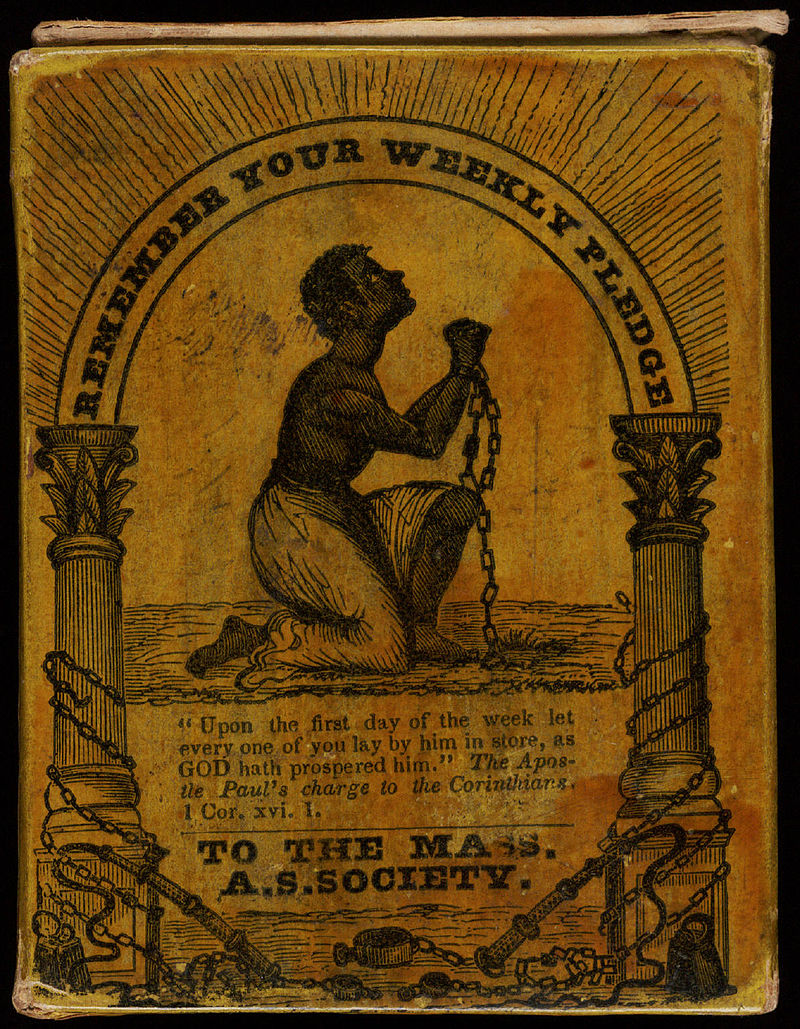
Massachusetts Anti-Slavery Society: After completing her education, Stone was recruited as a lecturer by the Massachusetts Anti-Slavery Society. Despite facing threats and hostility, she traveled extensively, delivering powerful orations against the institution of slavery.
Collaborations with Fellow Abolitionists: Stone’s reputation grew, and she frequently shared platforms with other abolitionist luminaries like Frederick Douglass and Sojourner Truth. These collaborations fortified the abolitionist movement, showcasing unity and a collective voice against slavery.
Written Advocacy: Stone’s contributions to the abolitionist cause were not limited to oratory. She penned numerous articles and letters for abolitionist publications, using her eloquent prose to decry the evils of slavery and call for immediate emancipation.
Interlinking Abolition and Women’s Rights: For Stone, the fight against slavery was intrinsically linked to the broader battle for equality, especially women’s rights. She believed that all forms of oppression stemmed from the same roots and that fighting for the liberation of one group meant advocating for the rights of all. While she is often more widely recognized for her women’s rights advocacy, her abolitionist work was a testament to this interconnected vision of justice.
Lucy Stone’s passion and dedication had a lasting impact on the abolitionist movement. Even after the Civil War and the abolition of slavery, she continued her advocacy, focusing on women’s suffrage and gender equality. However, her abolitionist work remains a testament to her unwavering belief in universal human rights and justice.
Lucy Stone’s life and work exemplify the spirit of reform that characterized the 19th century. Her voice, raised against the injustices of her time, continues to inspire and resonate in contemporary movements for social justice.




 DAVE DOES HISTORY
Leave a comment