
The Penobscot Expedition in 1779 was one of the largest naval operations during the American Revolutionary War, and it turned out to be the worst naval defeat for the Americans until Pearl Harbor in 1941. Here’s an overview of the event:
The British aimed to establish a new colony called “New Ireland” in present-day Maine, which was then part of Massachusetts. In June 1779, they established a post at what is now Castine, on the Penobscot River. In response, the Massachusetts state government decided to launch an expedition to dislodge the British.
The Expedition
Massachusetts assembled a fleet of over 40 ships, both Continental Navy and privateers, along with about 1,000 militia troops. Commodore Dudley Saltonstall led the naval forces, while Brigadier General Solomon Lovell commanded the land forces. Lieutenant Colonel Paul Revere also participated, serving as the artillery officer.
The Americans arrived at Penobscot Bay in late July. They initially made progress, establishing a blockade and landing troops on the shores. However, disagreements between Saltonstall and Lovell regarding strategy and tactics, combined with the lack of decisive action, allowed the British defenders to hold their ground and strengthen their positions.
Within a couple of weeks, a British relief fleet under the command of Sir George Collier approached. Instead of engaging the British or attempting to retreat in an organized manner, the American naval forces panicked. The American ships were either destroyed by the British, scuttled by their crews, or abandoned and left to drift up the river where they were eventually burned.
With their ships lost, the American ground forces had no choice but to make an overland retreat through the Maine wilderness. They faced hardships like lack of provisions, and many soldiers fell ill or were left behind. It was a harrowing escape for the retreating American forces.
Aftermath
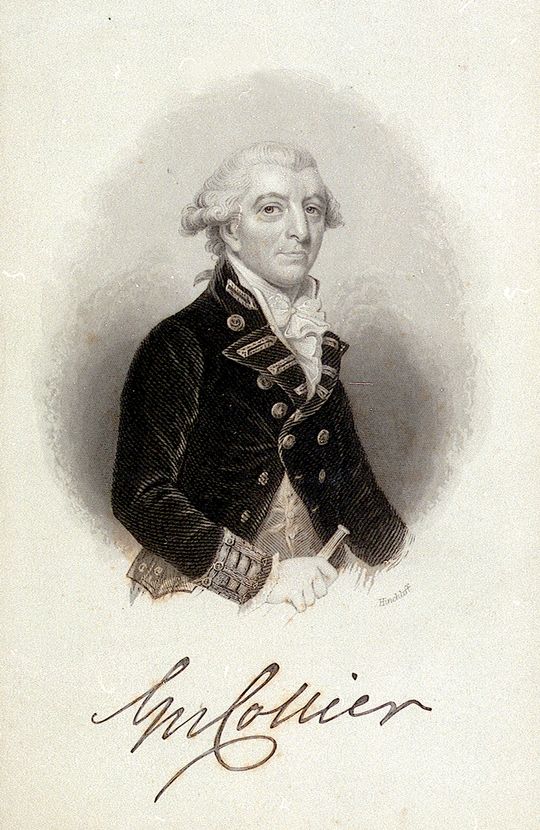
By John James Hinchliff (1805-1875) – The National Maritime Museum, Public Domain, https://commons.wikimedia.org/w/index.php?curid=6379488
The British maintained control of the Penobscot area until the end of the war, although they eventually abandoned their plans to establish the colony of “New Ireland.”
The disastrous expedition led to blame and recriminations among American commanders. A court-martial cleared Paul Revere of any wrongdoing, but his participation in the failed expedition cast a temporary shadow on his reputation. Commodore Saltonstall, on the other hand, was dismissed from the navy for his role in the debacle. The defeat of the American fleet represented the worst loss of US Naval forces until the attack on Pearl Harbor in 1941.
The Penobscot Expedition serves as a cautionary tale about the challenges of joint military operations, the necessity of clear leadership and decisive action, and the potential consequences of hesitation in the face of the enemy.




 DAVE DOES HISTORY
Leave a comment