
The Sant’Anna di Stazzema massacre was one of the most atrocious war crimes committed by the Nazi Waffen-SS during World War II in Italy. The massacre took place on August 12, 1944, in the small village of Sant’Anna di Stazzema in Tuscany, Italy.
In the summer of 1944, as the Allies were advancing northwards through Italy, German troops were involved in anti-partisan operations in the region. The Nazis were attempting to suppress the Italian resistance which was becoming increasingly active in the mountainous areas of Tuscany.
In the early hours of August 12, soldiers from the 16th SS Panzergrenadier Division, under the command of SS Major Walter Reder, surrounded the village purportedly to hunt for partisans.
Instead of finding partisans, the SS troops rounded up the innocent villagers, most of whom were women, children, and elderly, as many of the younger men had already gone off to join the partisans or had been conscripted. Over the course of a few hours, the soldiers systematically killed the villagers. Many were herded into basements or other confined spaces and killed with hand grenades. Others were shot at close range.
After the mass killings, the troops set the village on fire to cover up their crimes.
An estimated 560 innocent civilians were killed in the massacre, including more than a hundred children.
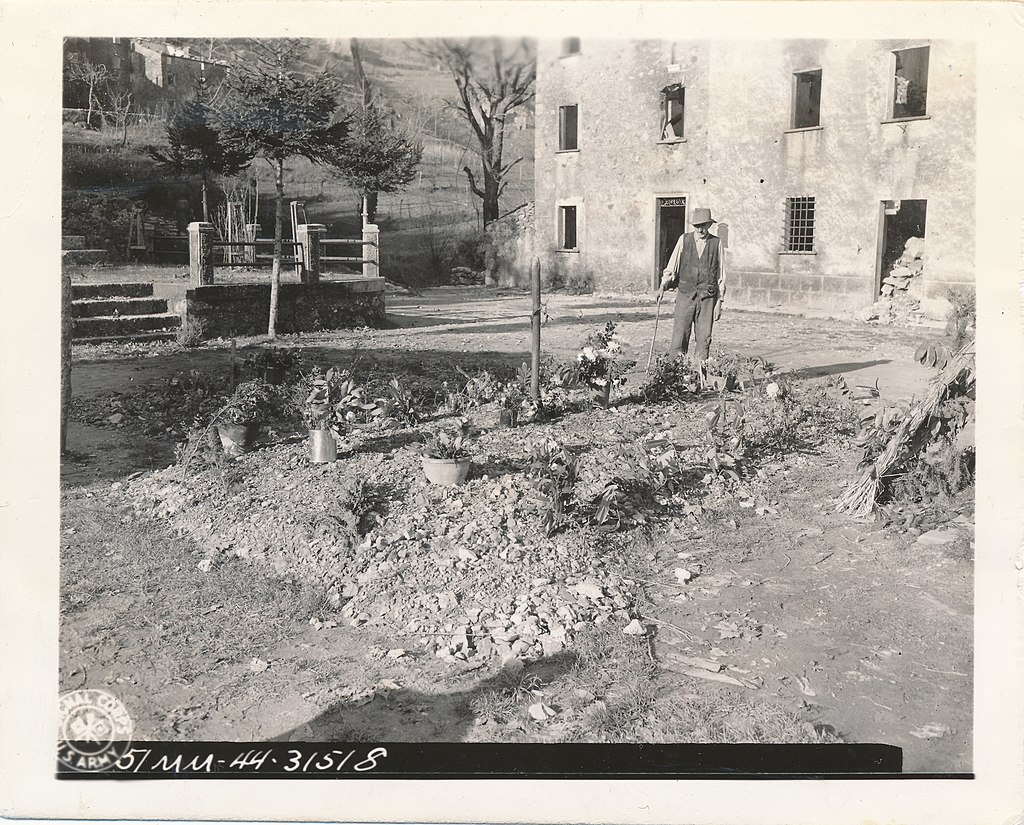
By U.S. Army. – NARA, College Park, Maryland., Public Domain,
Following the massacre, the German troops left the village in ruins, and the event was largely forgotten in the chaos of the ongoing war. The bodies remained under the ruins for several months until they were discovered by returning residents after the war.
Immediately after the war, an investigation was launched into the massacre, but it soon stalled amid the Cold War politics of post-war Europe. It wasn’t until the 1990s that the case was reopened and culminated in a trial in 2005. Ten former Waffen-SS soldiers were found guilty in absentia by an Italian military court for their role in the massacre. However, by then, many of those responsible had already died, and Germany did not extradite those still alive.
The trial of the German soldiers for the Sant’Anna di Stazzema massacre, and the subsequent verdict, drew significant attention both in Italy and Germany, as well as in other parts of the world.
Italy
For many survivors and families of the victims, the trial was a long-awaited opportunity for justice, even if it was only symbolic for some, given that most of the accused were either deceased or not present at the trial.
The trial reignited discussions about the Nazi war crimes in Italy during World War II, a topic which had sometimes been overshadowed by other events of the war.
There were voices of criticism as well, pointing out the length of time it took for the trial to take place and for justice to be served. Some felt that the true extent of the crime was never fully acknowledged or that more people should have been held accountable.
Germany
The trial and its subsequent verdict were seen by some as an important acknowledgment of German war crimes, especially since some of the earlier investigations in Germany had been closed without any prosecutions.
The fact that the accused were tried in absentia and that Germany did not extradite those still alive drew criticism. Some pointed out the deficiencies in the German judicial system when it came to prosecuting war crimes from World War II.
The trial sparked public discussions in Germany about the nation’s past and its responsibility in confronting and addressing war crimes committed by Germans during the war.
– The international community largely saw the trial as an important step in addressing the atrocities of World War II, even if it came decades after the event. There was a general appreciation for Italy’s effort to bring the perpetrators to justice.
– Some international observers and human rights advocates emphasized the need for continued efforts to address other unresolved war crimes and atrocities globally.
In all, the trial was a poignant reminder of the horrors of the Sant’Anna di Stazzema massacre and of the broader context of civilian atrocities during World War II. The varied reactions underscore the complex legacy of wartime crimes and the challenges of seeking justice decades after the events took place.
Today, the village houses the “Historical Museum of the Resistance” and a memorial dedicated to the victims of the massacre.
The Sant’Anna di Stazzema massacre is a haunting reminder of the brutality of war and the atrocities that can be committed against innocent civilians.
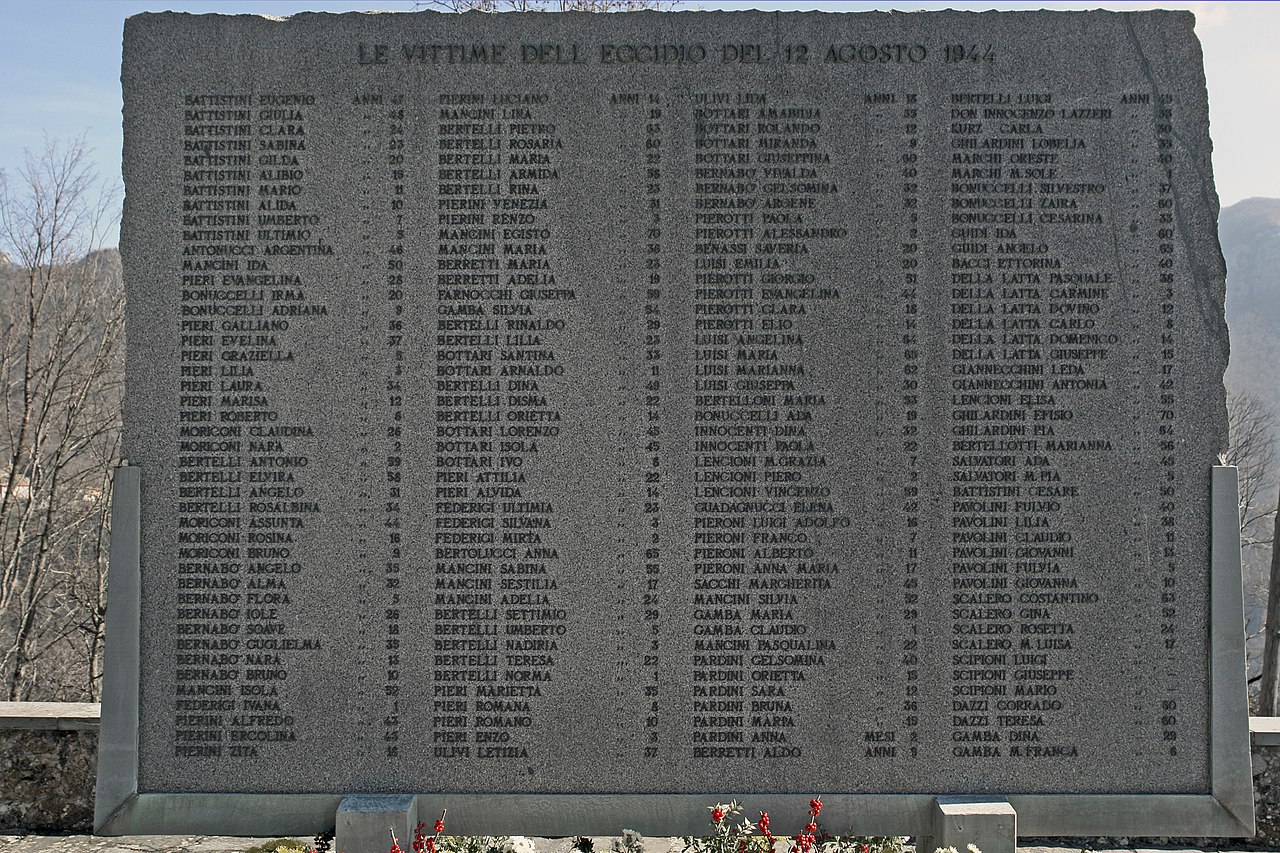
By HpSchaefer Hans Peter Schaefer http://www.reserv-a-rt.de – Self-photographed, CC BY-SA 3.0




 DAVE DOES HISTORY
Leave a comment