
On August 6, 1945, during World War II, the United States dropped an atomic bomb on the city of Hiroshima, Japan. The attack marked the first use of an atomic weapon in warfare and had a devastating impact on the city and its inhabitants.
By 1945, Japan was facing imminent defeat in the war. The Allied forces, led by the United States, had been pushing back Japanese forces in the Pacific and were preparing for a massive invasion of Japan’s home islands. The Japanese government, however, remained defiant and showed no signs of surrendering.
In an effort to avoid a costly and prolonged ground invasion, President Harry S. Truman and his advisors made the difficult decision to use the newly developed atomic bomb as a means to force Japan’s surrender and bring an end to the war.
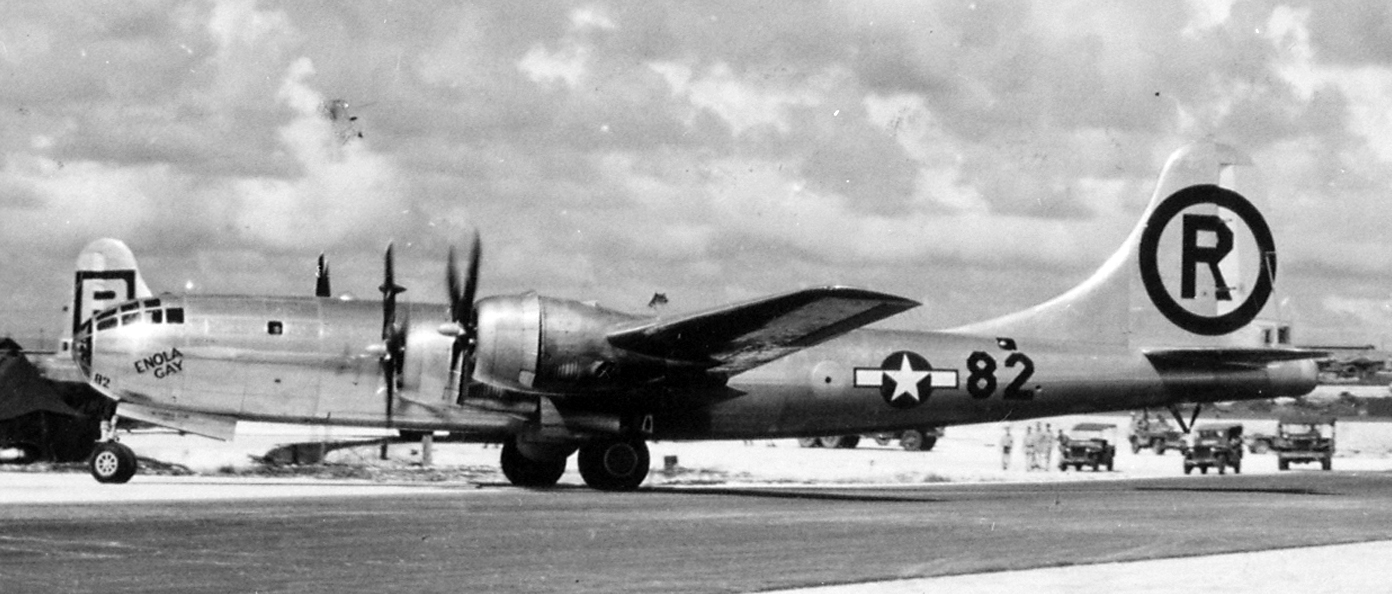
On the morning of August 6, 1945, the American B-29 bomber “Enola Gay,” piloted by Colonel Paul Tibbets, dropped the uranium-235 bomb nicknamed “Little Boy” over Hiroshima. The bomb exploded at approximately 8:15 a.m. local time at an altitude of about 600 meters (1,900 feet) above the city.
The explosion released an immense amount of energy, creating a powerful shockwave and a fireball that reached temperatures of several million degrees Fahrenheit. The impact of the blast flattened buildings and destroyed structures within a radius of approximately 1.6 kilometers (1 mile) from the hypocenter.
The immediate aftermath of the explosion was catastrophic. An estimated 70,000 to 80,000 people were killed instantly, and tens of thousands more were injured. The explosion and ensuing fires created a massive firestorm that engulfed the city, leaving behind vast devastation.
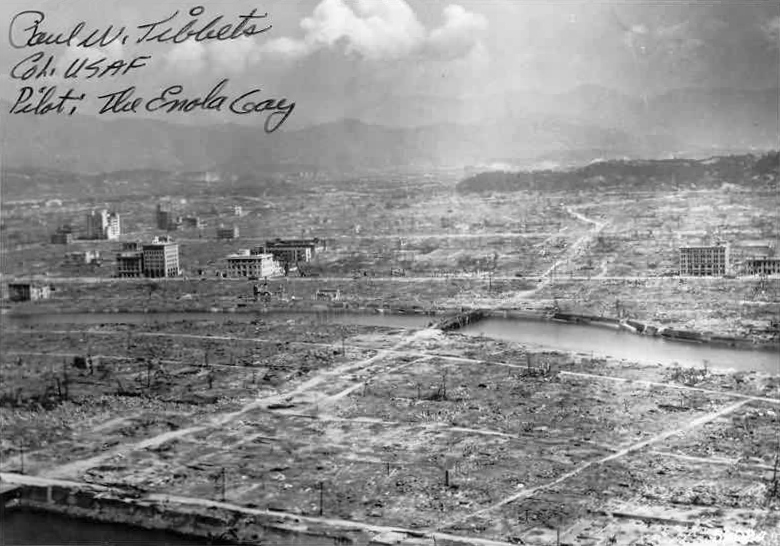
(Public Domain)
In the following weeks and months, many survivors succumbed to injuries, burns, and the effects of radiation exposure. The total death toll from the bombing of Hiroshima was estimated to be around 140,000 by the end of 1945.
The bombing of Hiroshima had profound consequences, not only for the city and its people but also for the course of history. On August 9, 1945, just three days after the attack on Hiroshima, the United States dropped a second atomic bomb, code-named “Fat Man,” on the city of Nagasaki, further contributing to Japan’s decision to surrender.
Japan formally surrendered on September 2, 1945, bringing an end to World War II. The bombings of Hiroshima and Nagasaki remain subjects of controversy and ethical debate, with arguments centered on the immense human cost, the morality of using such weapons, and the implications for international law and nuclear disarmament.
In the decades that followed, the bombings of Hiroshima and Nagasaki served as stark reminders of the devastating potential of nuclear weapons, prompting global efforts to prevent their use in future conflicts and to advocate for peace and disarmament.




 DAVE DOES HISTORY
Leave a comment