
The trial of John Peter Zenger was a landmark case in the history of freedom of the press and freedom of speech in the United States. It took place in 1735 in the colony of New York, which was then under British rule. On August 5, 1735, Zenger was acquitted after the trial. The case would influence ideas about the freedom of speech in the United States, including the 1st Amendment and subsequent Supreme Court cases.
John Peter Zenger was a printer and publisher of the New York Weekly Journal, a newspaper critical of the colonial governor, William Cosby, and his administration. The paper often criticized the government for its corruption and abuses of power. In response to the newspaper’s critical coverage, Governor Cosby had Zenger arrested and charged with seditious libel in November 1734.
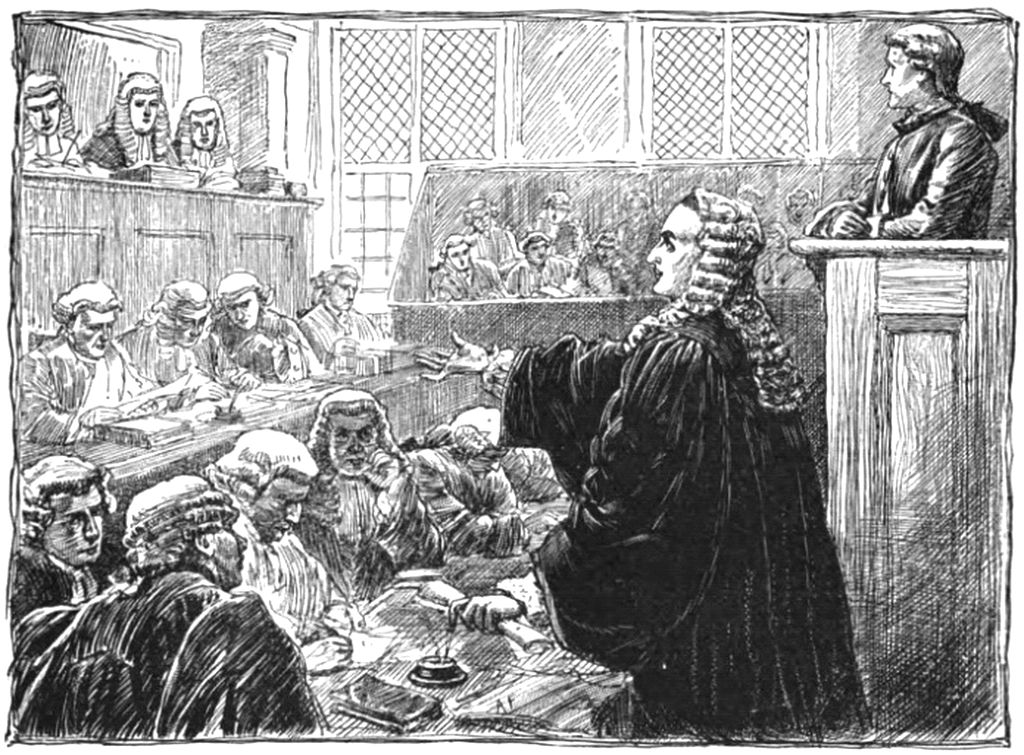
By Martha J. Lamb – https://archive.org/details/wallstreetinhist00lamb, Public Domain,
The trial began in August 1735. Zenger was represented by Andrew Hamilton, a prominent Philadelphia lawyer, who argued that the truth of the statements published in the New York Weekly Journal was a defense against charges of libel. At that time, English common law considered truth not to be a defense in cases of libel against the government.
Hamilton made an impassioned plea to the jury, arguing that the case was about more than just the guilt or innocence of Zenger. He asserted that the freedom of the press was at stake, and a guilty verdict would set a dangerous precedent, allowing the government to suppress dissenting opinions and stifle criticism.
The jury deliberated for only a short period before returning a verdict of not guilty. The decision shocked the colonial establishment because it challenged the prevailing legal norms regarding seditious libel and established a significant precedent for the principle of freedom of the press.
The trial of John Peter Zenger had a profound impact on the concept of freedom of speech in the United States. It established the principle that truth is a defense against charges of libel. This legal precedent paved the way for a broader understanding of freedom of the press and free expression.
The trial became an early and important example of how a free press could play a crucial role in holding the government accountable and in safeguarding democratic values. It emboldened journalists and publishers in the colonies to express their views and criticisms more openly.
In the years that followed, the principles established in the Zenger trial influenced the framers of the U.S. Constitution. The First Amendment, ratified in 1791, enshrined the protection of freedom of speech, freedom of the press, and the right to petition the government. Zenger’s case played a pivotal role in shaping the First Amendment’s understanding of the importance of an unfettered press as a check on government power.
Overall, the trial of John Peter Zenger remains a symbol of the struggle for free expression and its critical role in a democratic society. It continues to be celebrated as a landmark case that laid the foundation for the protection of press freedom in the United States.



 DAVE DOES HISTORY
Leave a comment