
In recent days, the FBI has come under increasing criticism for its apparent violations of both law and civil rights of American citizens. To be sure, the organization, which was once held in highest esteem by most Americans, has a chequered history. Given that it was born out of a government fear of anarchy and terrorism, it rally isn’t a surprise how it has evolved.
The Bureau of Investigation, which later evolved into the Federal Bureau of Investigation (FBI), was founded on July 26, 1908. It was established in response to a growing need for a federal law enforcement agency to combat various crimes that were becoming increasingly difficult for local and state authorities to handle on their own.
The man responsible for creating the Bureau of Investigation was Attorney General Charles J. Bonaparte, who served in President Theodore Roosevelt’s cabinet. Bonaparte was concerned about the lack of coordination and communication between law enforcement agencies and the limited jurisdiction of local police forces, which made it challenging to tackle interstate crimes and certain federal offenses effectively.
Charles J. Bonaparte was an American lawyer, politician, and public servant who served as the 46th United States Attorney General. He was born on June 9, 1851, in Baltimore, Maryland, and he came from a prominent and wealthy family. He was the grandson of Jérôme Bonaparte, who was the youngest brother of Napoleon Bonaparte, the famous French military and political leader.
Despite his family’s prestigious background, Charles J. Bonaparte established his own reputation through his legal and public service career. He studied at Harvard Law School and later became a successful attorney in Baltimore.
Bonaparte’s notable contributions began during the administration of President Theodore Roosevelt. He was appointed as the United States Attorney General in 1906, and he held the position until 1909. As Attorney General, Bonaparte focused on legal reforms and the enforcement of federal laws. He was particularly concerned about the lack of a coordinated federal law enforcement agency and the difficulties in prosecuting crimes that crossed state lines.
In response to these challenges, Bonaparte proposed the establishment of a centralized investigative agency within the Department of Justice, which led to the creation of the Bureau of Investigation on July 26, 1908. This precursor to the modern Federal Bureau of Investigation (FBI) aimed to address interstate crimes and enforce federal laws more effectively.
During his tenure as Attorney General, Bonaparte also advocated for civil service reforms, striving to professionalize the federal government and improve its efficiency and transparency.
After leaving office, Charles J. Bonaparte remained active in public life and continued to contribute to various civic and philanthropic causes. He served as the president of the National Civil Service Reform League and was involved in promoting social welfare and education in Maryland.
Charles J. Bonaparte passed away on June 28, 1921, leaving behind a legacy of legal reforms, his role in founding the Bureau of Investigation (which later became the FBI), and his dedication to public service. His efforts helped shape the foundation of federal law enforcement in the United States and the modern criminal justice system.
To address these issues, Bonaparte proposed the establishment of a centralized federal investigative agency that would have broader jurisdiction and be better equipped to handle cases with national implications. He believed that such an agency could tackle interstate crimes, enforce federal laws, and conduct investigations that crossed state lines more effectively.
On July 26, 1908, President Theodore Roosevelt signed an executive order officially creating the Bureau of Investigation within the Department of Justice. The Bureau initially had a small staff of 34 agents and was tasked with enforcing federal statutes related to bankruptcy, antitrust violations, and land frauds.
The early years of the Bureau of Investigation were marked by efforts to build its reputation and expand its jurisdiction. As it gained more experience and credibility, its responsibilities grew to include investigating other federal crimes, such as espionage, sabotage, and various forms of organized crime.
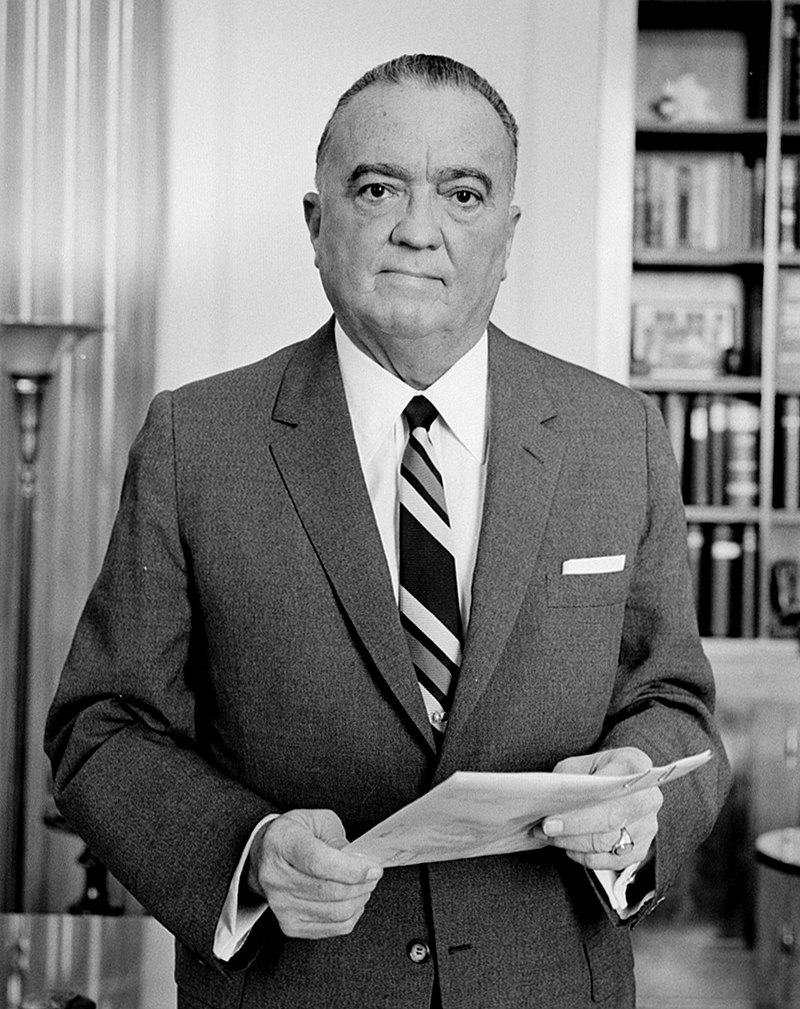 In 1924, under the leadership of Director J. Edgar Hoover, the Bureau underwent significant changes and reforms. It was renamed the Federal Bureau of Investigation (FBI) and began focusing on professionalizing its workforce, improving its investigative techniques, and expanding its scope to tackle a wider range of federal offenses.
Over the decades, the FBI became one of the most influential and well-known law enforcement agencies in the world, playing a crucial role in protecting national security, combating organized crime, investigating civil rights violations, and addressing various federal crimes.
Today, the FBI continues to claim be a vital component of the U.S. Department of Justice, carrying out its mission to uphold and enforce federal laws, protect and defend the United States against terrorist and foreign intelligence threats, uphold and enforce the criminal laws of the United States, and provide leadership and criminal justice services to federal, state, municipal, and international agencies and partners. Much of the current (and past) criticism of the Agency has yet to be properly addressed, and many questions remain as to both the action of the agency as well as its necessity.




 DAVE DOES HISTORY
Leave a comment