
Ulysses S. Grant (1822-1885) was a military hero and the 18th President of the United States. His presidency and later life were marked by both successes and challenges, culminating in his death on July 23, 1885.
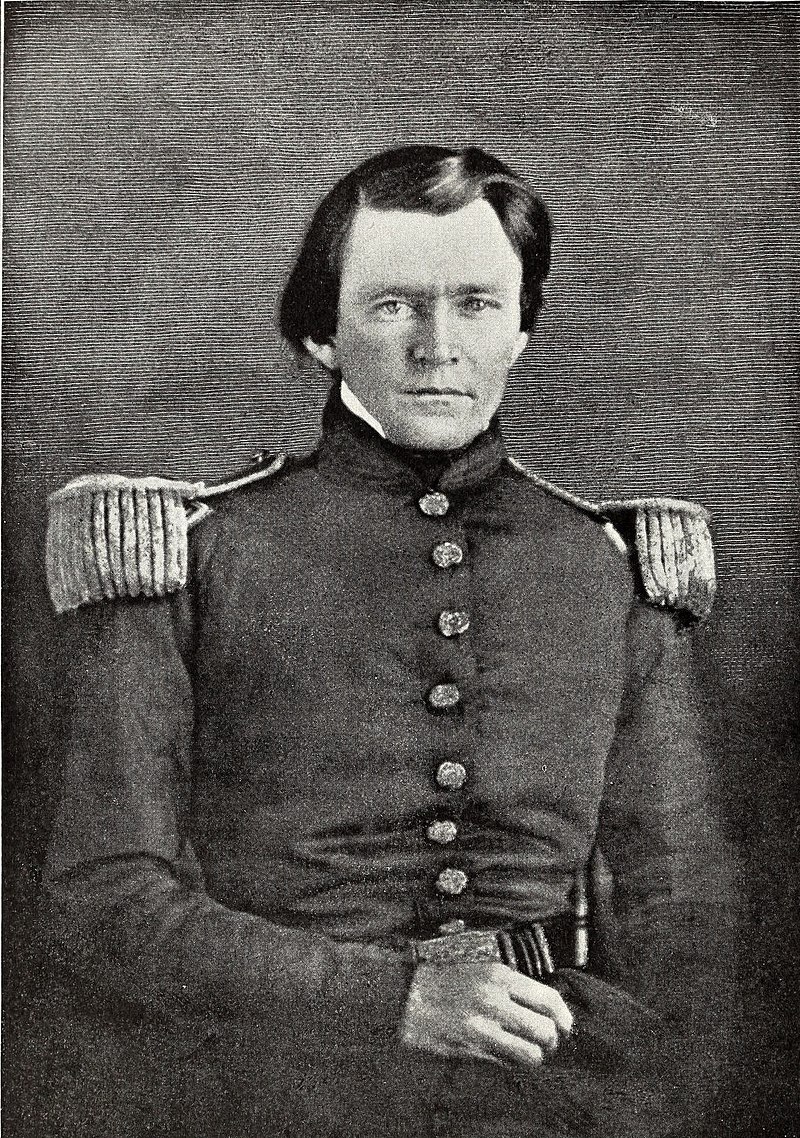
(Public Domain)
Ulysses S. Grant was born on April 27, 1822, in Point Pleasant, Ohio. He attended the United States Military Academy at West Point and graduated in 1843. During the Mexican-American War (1846-1848), Grant demonstrated his military abilities, earning praise for his bravery and leadership. However, his military career faced challenges afterward, leading to a brief resignation from the Army in 1854.
When the Civil War erupted in 1861, Grant returned to military service, rising to prominence for his victories in the Western Theater. He gained national recognition after leading the Union forces to capture Forts Henry and Donelson in Tennessee in early 1862. The following year, he secured crucial victories at Vicksburg, Mississippi, and Chattanooga, Tennessee, earning the trust and support of President Abraham Lincoln.
In March 1864, President Lincoln appointed Grant as the General-in-Chief of all Union armies. Grant’s aggressive and unrelenting approach became instrumental in bringing the Civil War to a close. He devised a strategy to wear down the Confederate forces, leading to the eventual surrender of General Robert E. Lee at Appomattox Court House on April 9, 1865, effectively ending the war.
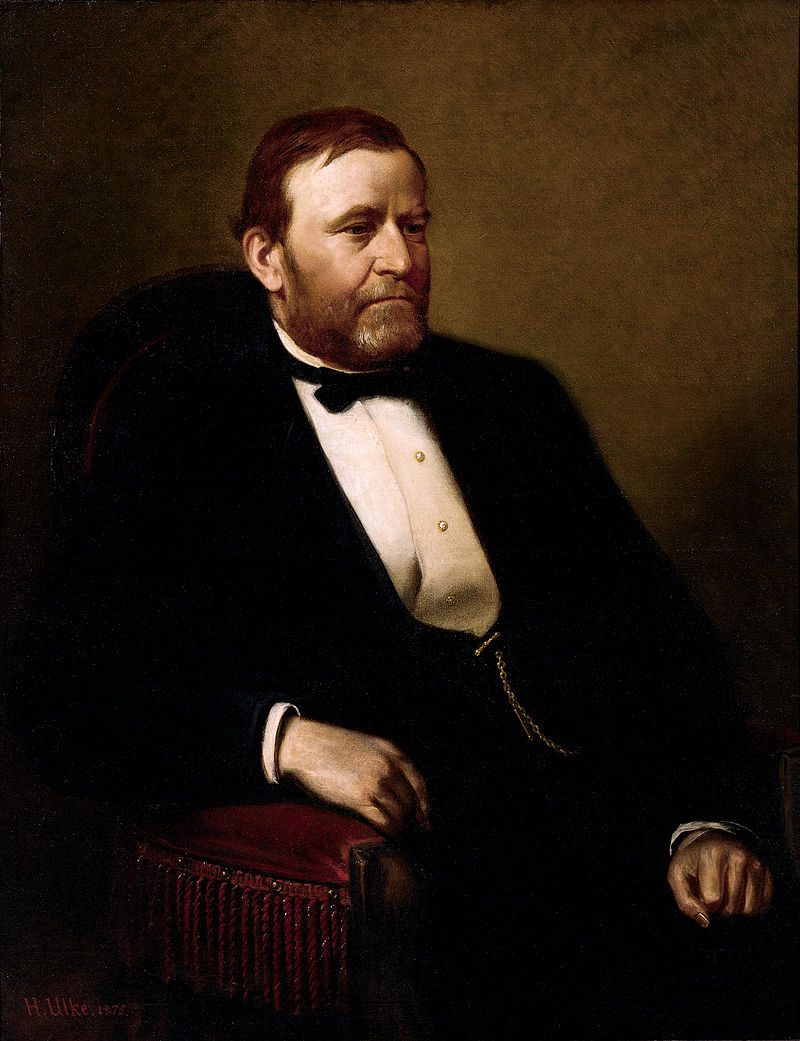
portrait by Henry Ulke
(Public Domain)
After the Civil War, Grant’s military fame propelled him into politics, and he was elected as the 18th President of the United States in 1868 and re-elected for a second term in 1872. Grant’s presidency faced both achievements and challenges. He worked to promote civil rights for African Americans and advocated for the ratification of the 15th Amendment, granting voting rights regardless of race or color.
However, his administration was marred by several scandals, including the Credit Mobilier scandal and the Whiskey Ring, which involved corruption and embezzlement among government officials. Though Grant was not directly implicated, these scandals affected his administration’s reputation.
After leaving the presidency in 1877, Grant embarked on a world tour, becoming the first former U.S. President to circumnavigate the globe. During this time, he was met with admiration and respect from international leaders. Upon returning to the United States, Grant faced financial difficulties, primarily due to a series of failed investments and fraudulent business partners.
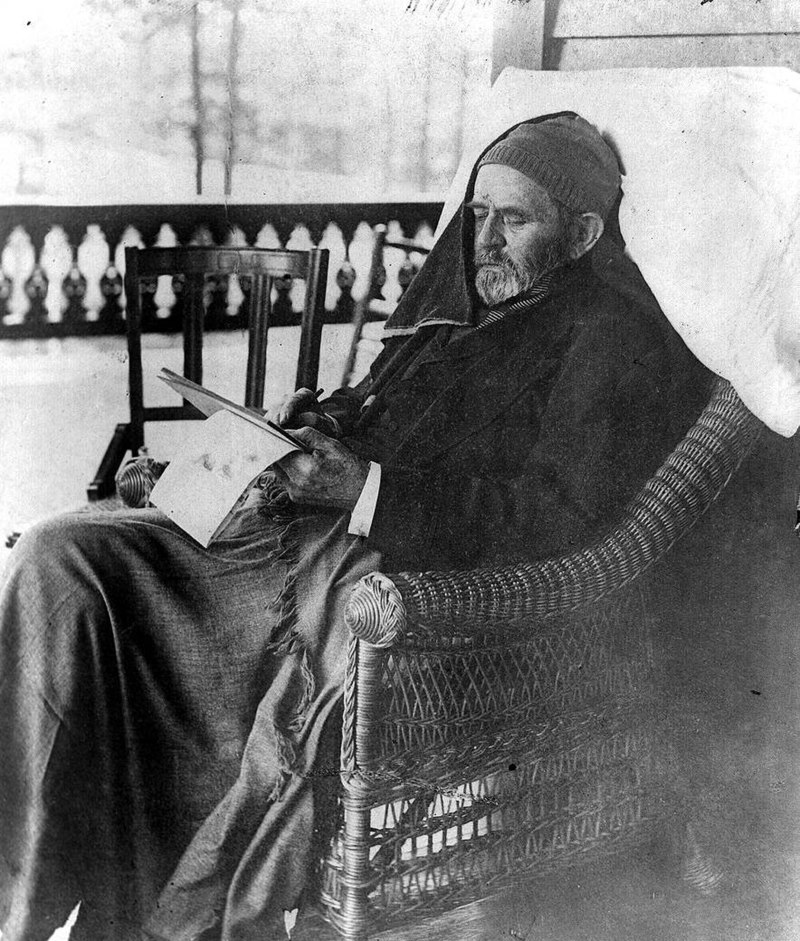
(Public Domain)
In 1884, Grant learned that he was suffering from throat cancer. Determined to provide financial security for his family after his death, he began writing his memoirs, penning his recollections and experiences during the Civil War. The memoirs were published by Mark Twain shortly before Grant’s death.
Ulysses S. Grant succumbed to his battle with throat cancer on July 23, 1885, at the age of 63, at his cottage in Mount McGregor, New York. His death was met with widespread mourning and tributes from both the North and South. Grant’s final resting place is Grant’s Tomb, an imposing mausoleum located in Riverside Park in New York City.
Commenting on Grant after his passing, William T Sherman said, “A more uncompromising young man never entered the Military Academy. Let that be a lesson to us. looks are deceiving.”
Ulysses S. Grant’s presidency and later life were marked by remarkable military achievements, challenges, and financial difficulties. Despite the scandals that marred his presidency, he remained a respected and revered figure in American history. Grant’s role as a military leader and his commitment to preserving the Union during the Civil War solidified his place as one of the most prominent figures of his time. His memoirs, written in the face of death, have become widely regarded as one of the finest pieces of American literature, ensuring that his legacy endures as an important part of the nation’s history.




 DAVE DOES HISTORY
Leave a comment