
Robert Gould Shaw, an extraordinary military leader and abolitionist, was born into a prominent family in Boston, Massachusetts, on October 10, 1837. His life would be defined by his unwavering commitment to the cause of emancipation and racial equality during the American Civil War. As the commanding officer of the famous 54th Massachusetts Infantry Regiment, Shaw’s legacy transcends his untimely death on the battlefield, leaving a lasting impact on the struggle for civil rights in the United States. This biography explores the life of Robert Gould Shaw, highlighting his remarkable journey, pivotal role in the Civil War, and enduring impact on American history.
Robert Gould Shaw was born to Francis George Shaw and Sarah Blake Sturgis Shaw, members of a prominent and well-off abolitionist family in Boston. His upbringing instilled in him a sense of social responsibility and a deep commitment to humanitarian causes. As a child, Shaw was educated privately before enrolling in the Boston Latin School, where his intellectual abilities and leadership qualities began to emerge.
In 1856, Shaw entered Harvard College, where he excelled academically and actively engaged in extracurricular activities. While at Harvard, he developed an interest in literature and poetry and formed lifelong friendships with several influential figures, including Charles Russell Lowell, who would later become a significant influence on Shaw’s military career.
Growing up in a family with strong abolitionist ties, Shaw’s commitment to ending slavery was deeply ingrained. His father, Francis Shaw, was an ardent abolitionist and a close friend of Frederick Douglass. The Shaw family’s commitment to the cause of emancipation would influence Robert’s future path and convictions.
In April 1861, the American Civil War erupted, and Shaw was at the forefront of young men eager to join the Union cause. With his father’s connections and his own passion for ending slavery, Shaw obtained a commission as a second lieutenant in the 2nd Massachusetts Infantry Regiment.
Shaw quickly rose through the ranks due to his leadership skills and combat prowess. He participated in several significant battles, including the Battle of Cedar Mountain and the Second Battle of Bull Run. His bravery and dedication to his men earned him the respect of his superiors and comrades.
In early 1863, Shaw was given a new and historic assignment that would shape his legacy. Governor John Andrew of Massachusetts and Colonel Robert Gould Shaw collaborated to organize one of the first African American regiments in the Union Army, the 54th Massachusetts Infantry Regiment. Recognizing Shaw’s leadership abilities, Governor Andrew appointed him as the regiment’s commanding officer.
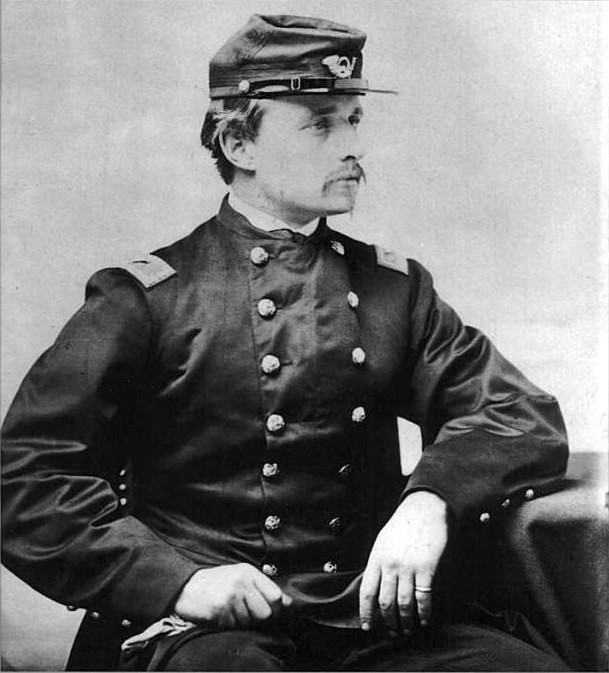
Public Domain
The formation of the 54th Massachusetts was a groundbreaking development in the fight for racial equality. Despite facing skepticism and discrimination, Shaw worked tirelessly to train and prepare his regiment, instilling discipline, pride, and a sense of purpose in his men.
Shaw was not only tasked with leading the regiment on the battlefield but also with fighting against deeply ingrained prejudice within the Union Army. African American soldiers faced harsh discrimination and were offered significantly lower pay than their white counterparts. Shaw’s determination to challenge these injustices endeared him to his men and earned their unwavering loyalty.
On July 18, 1863, the 54th Massachusetts Infantry Regiment faced its defining moment in the attack on Fort Wagner near Charleston, South Carolina. Shaw and his men exhibited immense courage as they charged towards heavily fortified Confederate positions. Despite facing a fierce defense, the 54th fought valiantly, proving that African American soldiers were just as capable and courageous as their white counterparts.
Tragically, Shaw’s life was cut short during the assault on Fort Wagner. While leading his men from the front, he was shot in the chest and killed instantly. His death was a devastating blow to the 54th Massachusetts Regiment and the nation.
Shaw’s death had a profound impact on the Union cause and the fight for emancipation. His heroism and sacrifice captured the nation’s attention, elevating the status of African American soldiers and reshaping public perceptions about their abilities. His memory became a rallying cry for the abolitionist cause, inspiring countless others to continue the struggle for racial equality.
In recognition of his leadership and bravery, Shaw was posthumously promoted to the rank of colonel. He was the highest-ranking officer killed in the assault on Fort Wagner. Shaw’s family received numerous letters and tributes from prominent figures, including President Abraham Lincoln and abolitionist William Lloyd Garrison, expressing their admiration for Shaw’s service and sacrifice.
The heroism of Shaw and the 54th Massachusetts Infantry Regiment was immortalized in the 1989 film “Glory,” directed by Edward Zwick. The film garnered critical acclaim and further cemented Shaw’s place in American history.
Robert Gould Shaw’s life exemplifies courage, leadership, and an unwavering commitment to the principles of equality and justice. From his early days as a young abolitionist to his pivotal role in leading the 54th Massachusetts Infantry Regiment, Shaw’s legacy endures as a symbol of the fight for civil rights during the American Civil War. His selfless sacrifice and dedication to the cause of emancipation continue to inspire generations, reminding us of the transformative power of leadership and the enduring struggle for equality in the United States.


 DAVE DOES HISTORY
Leave a comment