
On July 15, 70 CE, the Roman general Titus achieved a significant milestone in the First Jewish-Roman War by breaching the walls of Jerusalem. This event marked a pivotal moment in history, leading to the eventual destruction of the Second Temple and the downfall of the Jewish rebellion. This essay explores the historical background of the conflict, the Roman siege of Jerusalem, and the momentous breach of the city’s walls by Titus.
The First Jewish-Roman War erupted in 66 CE, driven by a culmination of religious, political, and social tensions between the Jewish population and the Roman Empire. The Jews sought independence from Roman rule, while the Romans aimed to suppress the rebellion and assert their authority. Jerusalem, the spiritual and political center of Judea, became the focal point of the conflict.
The Roman siege of Jerusalem, which began in 70 CE, was a protracted and brutal campaign. Led by the Roman general Titus, son of Emperor Vespasian, the Roman legions laid siege to the city, intending to starve the population into submission. Jerusalem’s formidable walls, constructed during the reign of King Herod, posed a significant challenge to the Roman forces.
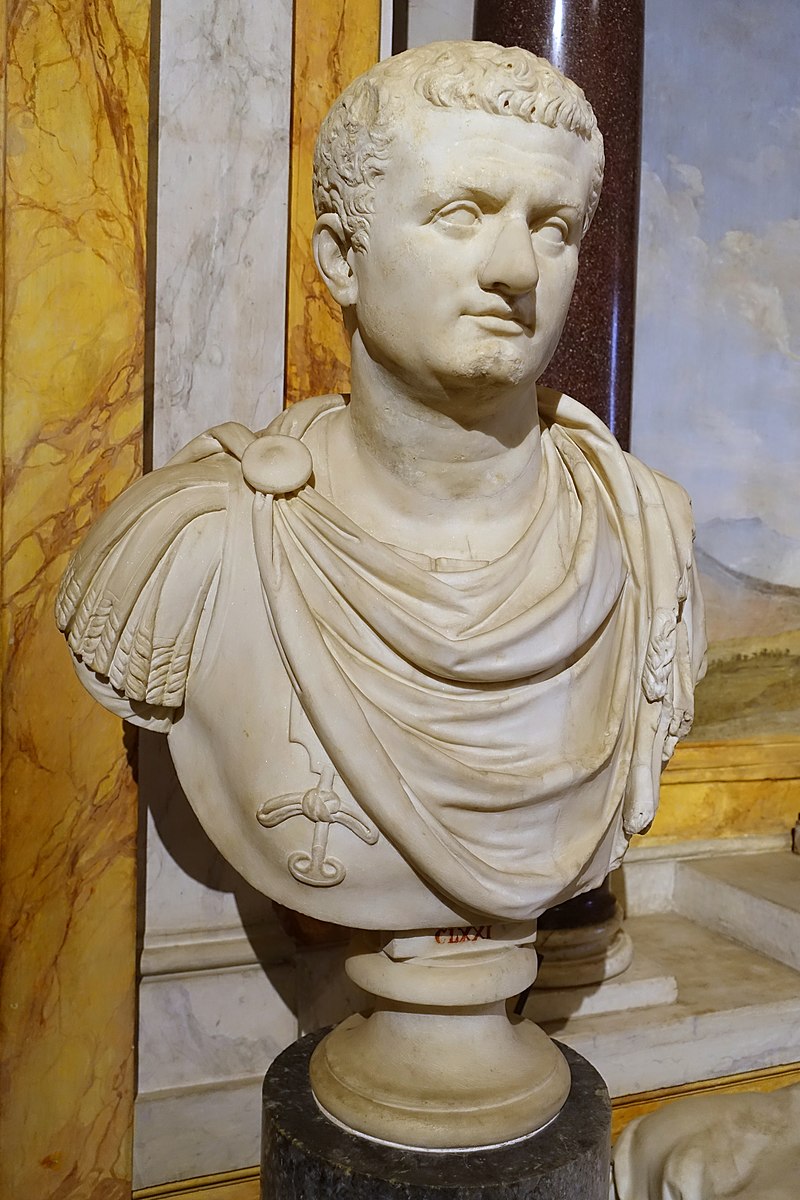 Titus adopted a multi-pronged strategy to overcome Jerusalem’s defenses. The Roman army constructed a series of siege works, including ramparts and siege towers, to approach the walls and battering rams to breach them. The Romans also attempted to undermine the city’s fortifications by digging tunnels and setting them ablaze.
After a grueling siege lasting several months, the Roman forces achieved a decisive breakthrough on July 15, 70 CE. Under intense pressure, the walls of Jerusalem finally succumbed to the Roman battering rams. The breach created a vulnerable point in the city’s defenses, exposing Jerusalem to an onslaught of Roman soldiers.
Following the breach of the walls, the Roman legions poured into the city, engaging in a merciless and destructive assault. The Roman soldiers unleashed widespread violence, looting, and burning. The Second Temple, the most sacred site in Judaism, was set ablaze and destroyed, leaving an indelible mark on Jewish history. The fall of Jerusalem symbolized the end of Jewish sovereignty and marked a turning point in the relationship between Rome and Judaism.
The fall of Jerusalem and the destruction of the Second Temple had far-reaching consequences. It solidified Roman control over Judea, extinguishing Jewish aspirations for independence. The event also caused immense suffering and displacement for the Jewish population, leading to a significant diaspora that would shape Jewish history for centuries to come.
Additionally, the fall of Jerusalem showcased the might of the Roman Empire and its ability to quash rebellions and assert dominance. It became a symbol of Roman military prowess and a warning to other regions that resistance would be met with devastating consequences.
The breach of the walls of Jerusalem by Titus on July 15, 70 CE, was a watershed moment in history. The Roman siege, the relentless assault on the city’s defenses, and the subsequent destruction left an indelible mark on the Jewish people and the ancient world. The fall of Jerusalem not only ended the Jewish rebellion but also signaled the end of an era and the ascendance of Roman authority. This event remains a poignant reminder of the power dynamics and conflicts that shaped the ancient world.




 DAVE DOES HISTORY
Leave a comment