
In the year 484 BC, the city of Rome bore witness to the magnificent dedication of the Temple of Castor and Pollux, a sacred structure that would become an enduring symbol of divine favor and civic pride. This essay delves into the historical context surrounding the temple’s construction, explores its architectural significance, and highlights the significance of its dedication ceremony.
During the early Roman Republic, the city faced numerous challenges and threats to its stability. In 499 BC, Rome emerged victorious in a significant battle against the Latins at Lake Regillus. According to legend, during the battle, the twin brothers Castor and Pollux, revered as divine protectors, appeared on horseback and fought alongside the Roman soldiers, turning the tide of the conflict in their favor. This divine intervention solidified the bond between Rome and the Dioscuri, leading to the decision to construct a temple in their honor.
The Temple of Castor and Pollux was located in the heart of the Roman Forum, the city’s political, religious, and commercial center. Its architectural design exemplified the early Roman style, characterized by simplicity and grandeur. The temple stood on a high podium and featured a hexastyle, meaning it had six imposing Corinthian columns at the front. Its cella, or inner chamber, housed the cult statue of the twin gods, while the exterior was adorned with ornate friezes depicting the legendary exploits of Castor and Pollux.
The dedication ceremony of the Temple of Castor and Pollux in 484 BC was a grand and elaborate event, attended by prominent citizens, religious officials, and the general populace of Rome. The occasion began with a solemn procession from the Capitoline Hill to the temple, accompanied by priests, magistrates, and musicians. The procession symbolized the city’s gratitude and reverence towards the divine twins.
Upon reaching the temple, prayers and rituals were performed to consecrate the sacred space. Offerings, including incense, flowers, and symbolic sacrifices, were made to Castor and Pollux. Citizens expressed their devotion by presenting votive offerings and seeking the gods’ blessings for the prosperity and protection of Rome.
The dedication ceremony also included public festivities and entertainments, such as athletic contests, music, and theatrical performances, which further reinforced the sense of communal celebration and civic unity. The temple served as a gathering place for citizens to honor the gods, commemorate their own history, and reinforce their shared identity as Romans.
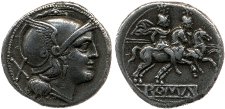
The Temple of Castor and Pollux’s dedication left an indelible mark on Roman culture and religion. It became an enduring symbol of divine favor bestowed upon the city, representing Rome’s legendary origins and the belief in divine protection. The temple played a crucial role in the religious and civic life of Rome, serving as a focal point for public ceremonies and a symbol of the city’s pride and resilience.
Furthermore, the architectural style and design of the Temple of Castor and Pollux influenced subsequent Roman temple construction, setting a precedent for the grandeur and solemnity associated with sacred buildings in the city. The temple’s legacy can be observed in later Roman structures, such as the iconic Temple of Jupiter Optimus Maximus on the Capitoline Hill.
The dedication of the Temple of Castor and Pollux in 484 BC stands as a pivotal moment in Roman history, representing the city’s deep connection with the gods and the divine intervention believed to shape its destiny. Through its architectural magnificence and the elaborate dedication ceremony, the temple became an enduring symbol of divine favor, civic pride, and communal celebration. The Temple of Castor and Pollux served as a testament to Rome’s cultural and religious heritage, inspiring generations to come and cementing its place as a remarkable architectural and historical landmark.




 DAVE DOES HISTORY
Leave a comment