
An analysis of ancient tooth enamel suggests the enigmatic ancients were immigrants, not invaders
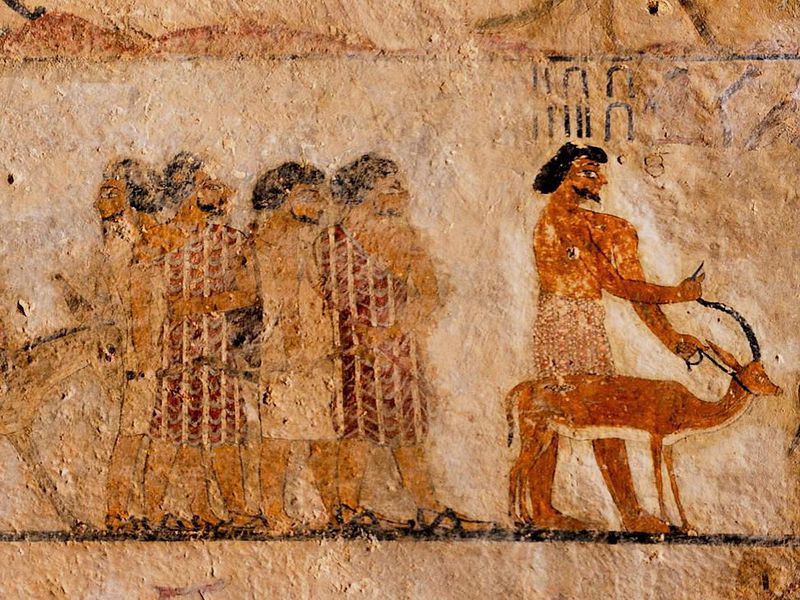
Now, new research lends weight to an alternative theory on the Hyksos’ origins. As Colin Barras reports for Science magazine, chemical analysis of skeletons found at the Hyksos capital of Avaris indicates that people from the Levant—an area encompassing the countries surrounding the eastern Mediterranean—immigrated to Egypt centuries before the takeover. The Hyksos dynasty, then, was likely the result of an immigrant uprising, not a hostile outside invasion.
The findings, published in the journal PLOS One, center on variations in strontium isotopes present in 75 skeletons’ tooth enamel. Strontium, a harmless metal found in water, soil and rocks, enters the body primarily through food. Comparing isotope ratios found in enamel, which forms between ages 3 and 8, with those present in a specific region, can help scientists determine whether an individual grew up there, as levels “vary from place to place,” writes Ariel David for Haaretz.
Around half of the skeletons were buried in the 350 years before the Hyksos’ takeover; the rest were interred during the dynasty’s reign. Per the paper, the researchers found that 24 of the pre-1638 skeletons were foreign-born, pointing toward significant immigration prior to the supposed invasion.
“This was clearly an international city,” lead author Chris Stantis, an archaeologist at Bournemouth University in England, told Science News’ Bruce Bower last April, when she and co-author Holger Schutkowski presented the research at a conference.
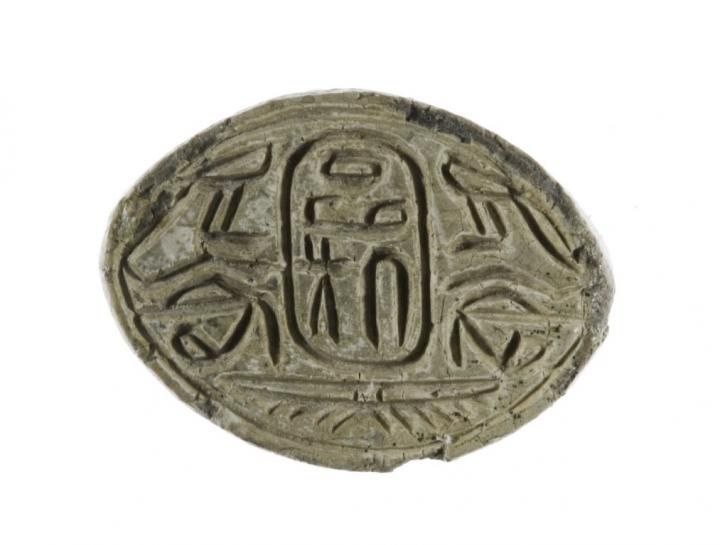
Archaeological finds further testify to the Hyksos culture’s diversity: Ancient artwork depicts members wearing colorful robes distinct from Egypt’s traditional white clothing, while records indicate that they had names similar to people from southwest Asia, according to Science.




 DAVE DOES HISTORY
Leave a comment