
The issuance of the Decree on the Elimination of Jews from Economic Life in Germany, on November 12, 1938, marked a significant turning point in the history of the Jewish people during the Nazi regime. This decree, which was part of the broader framework of anti-Semitic policies enacted by Adolf Hitler’s government, had far-reaching consequences for both Jews and the world at large. In this article, we will delve into the background, goals, effects, reactions, enforcement, and legacy of this notorious decree.
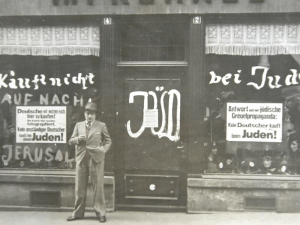
The origins of the Decree on the Elimination of Jews from Economic Life can be traced back to the rise of Adolf Hitler and the Nazi Party in Germany in the early 1930s. The Nazis promoted a virulent form of anti-Semitism, blaming Jews for various societal problems and viewing them as a threat to the Aryan race. As the Nazis consolidated power, they sought to exclude Jews from all aspects of German life, including the economy.
The primary goal of the decree was to isolate and persecute the Jewish population by systematically removing them from economic activities. The Nazis believed that by eliminating Jewish participation in the economy, they could weaken and ultimately destroy the Jewish community in Germany. Additionally, this policy aimed to redistribute economic opportunities and assets to “Aryan” Germans, further solidifying the regime’s control.
The decree had devastating effects on the Jewish community in Germany. Jewish-owned businesses were forced to close, and Jewish professionals, including doctors, lawyers, and academics, were dismissed from their positions. Jews were barred from many economic activities and were subjected to confiscation of property and assets. This economic disenfranchisement stripped many Jews of their livelihoods and pushed them further into a state of social and economic despair.
Within Germany, the reaction to the decree varied. Some Germans supported the Nazi policies, while others remained silent out of fear or indifference. Jewish communities were devastated, and the sense of insecurity and persecution grew.
Internationally, the decree was met with concern and condemnation by some governments and organizations, particularly Jewish groups. However, the full extent of the horrors perpetrated by the Nazis was not fully comprehended at this stage. The international community’s response to the plight of Jews in Germany was often slow and inadequate.
The enforcement of the decree was ruthless and relentless. Nazi authorities established various bureaucratic mechanisms to identify and persecute Jews in the economic sphere. Special commissions and agencies were formed to carry out the expropriation of Jewish-owned businesses and assets. Violation of the decree was met with severe penalties, including imprisonment and deportation to concentration camps.
The Decree on the Elimination of Jews from Economic Life was a precursor to even more horrific measures that would follow, including the Nuremberg Laws, the Kristallnacht pogrom, and the eventual implementation of the “Final Solution.” This decree was a significant step in the dehumanization and persecution of Jews in Nazi Germany.
The legacy of the decree is a painful reminder of the depths to which hatred and discrimination can lead. It serves as a stark warning of the consequences of unchecked prejudice and the importance of vigilance in defending the rights and dignity of all individuals, regardless of their background.
The Decree on the Elimination of Jews from Economic Life was a dark chapter in Jewish history and the history of humanity. It exemplifies the ruthless determination of the Nazi regime to isolate, persecute, and ultimately annihilate the Jewish people. Understanding the background, goals, effects, reactions, enforcement, and legacy of this decree is crucial in remembering the past and preventing such atrocities from ever happening again.




 DAVE DOES HISTORY
Leave a comment