
The Anglo-Spanish War (1727–1729) was a conflict that arose from long-standing territorial and maritime disputes between Great Britain and Spain. The war’s primary causes included Spain’s desire to reclaim Gibraltar and Menorca, which they had lost to Britain in the Treaty of Utrecht (1713) following the War of the Spanish Succession. With Austrian support following the Treaty of Vienna (1725), Spain saw an opportunity to attempt to recapture Gibraltar.
Significant military actions included the unsuccessful British Blockade of Porto Bello in Panama, where Britain suffered heavy losses due to disease, and the Thirteenth Siege of Gibraltar, where Spanish forces, initially numbering between 12,000 to 25,000, failed to take the fortress defended by British troops.
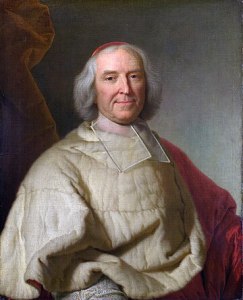
Public Domain
The war concluded with the Treaty of Seville on November 9, 1729, reinstating the status quo ante bellum. The treaty’s terms included Britain maintaining control of Port Mahon and Gibraltar, while backing the claim of Isabella Farnese, Queen of Spain, to the Duchy of Parma. Furthermore, it established a solid peace and union, guaranteeing mutual defense and confirming commercial rights as per previous treaties. Despite this, many issues remained unresolved, leading to future conflicts such as the War of Jenkins’ Ear.

 DAVE DOES HISTORY
Leave a comment