
On September 21, 1780, one of the most infamous acts of treachery in American history unfolded as General Benedict Arnold, a revered American military commander, handed over the plans for West Point, a critical fortress on the Hudson River, to the British. This betrayal had far-reaching consequences, both immediate and long-term, that left an indelible mark on the American Revolution and the legacy of Benedict Arnold.
Benedict Arnold’s decision to betray the American cause can be attributed to a combination of personal grievances, financial troubles, and disillusionment with the Continental Congress and the American military leadership. Arnold, once hailed as a hero for his valor at the battles of Saratoga, felt slighted and overlooked for promotions and recognition. He was also burdened by heavy debts, as his wartime expenses were not adequately reimbursed.
Public Domain
Moreover, Arnold’s loyalty to the American cause waned as he perceived corruption and incompetence within the Continental Congress and military hierarchy. His belief that he was not receiving the credit or rewards commensurate with his sacrifices contributed to his growing discontent.
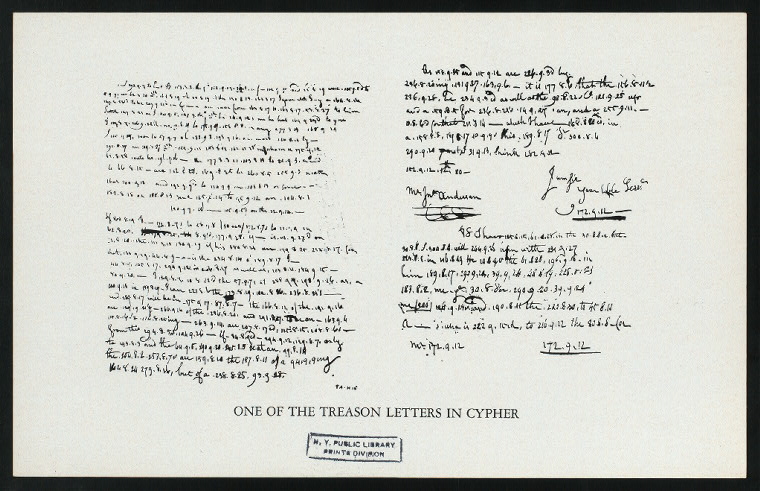
Arnold’s betrayal had immediate and severe consequences for the American Revolution. His plan to surrender West Point to the British, under Major John André’s guidance, was thwarted when André was captured by American forces while attempting to return to British lines with the critical documents.
This fortunate turn of events prevented the loss of West Point, which was strategically vital for controlling the Hudson River and thus maintaining a barrier between British-held New York City and New England. The capture of André and the revelation of Arnold’s treason shocked the American leadership and public, damaging morale and trust in the revolutionary cause.
While West Point remained in American hands, Benedict Arnold’s defection had lasting repercussions. His actions stained his name, ensuring that he would forever be remembered as a traitor in American history. Arnold’s betrayal served as a cautionary tale, discouraging other potential turncoats and reinforcing the importance of loyalty and trust within the Continental Army.
The event also highlighted the need for improved security measures in the American military and government. It led to a more stringent vetting process for officers and officials and a greater emphasis on counterintelligence.
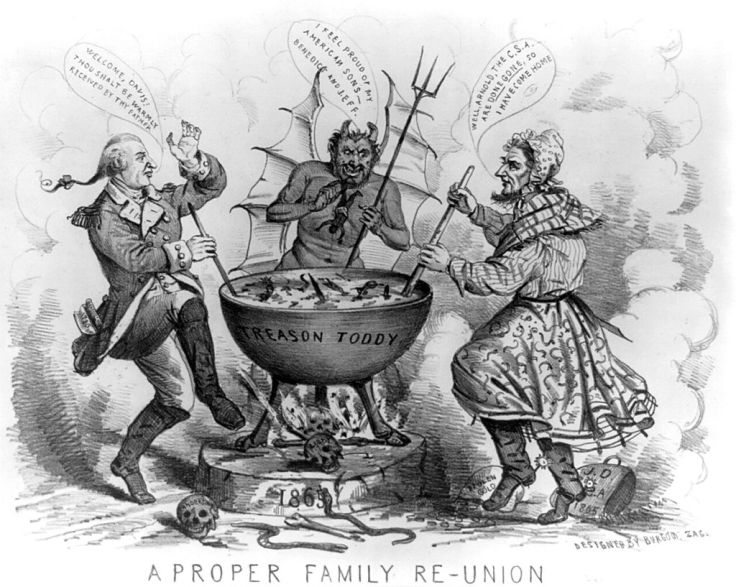
Benedict Arnold’s legacy is one of infamy. He became synonymous with betrayal in American culture, and his name is often invoked to label those who betray their own side for personal gain. In contrast to his early heroism at Saratoga, Arnold’s treason overshadowed his prior accomplishments, erasing any positive contributions he had made to the American cause.
The events of September 21, 1780, forever changed the course of the American Revolution. Benedict Arnold’s betrayal, driven by personal grievances and disillusionment, had immediate consequences in terms of tarnished morale and trust. Over the long term, it served as a cautionary tale, reinforcing the importance of loyalty and security measures within the Continental Army. Arnold’s legacy remains a dark chapter in American history, a reminder of the high cost of betrayal during a pivotal moment in the nation’s struggle for independence.
Public Domain




 DAVE DOES HISTORY
Leave a comment