
The Battle of Pharsalus, fought on August 9, 48 BCE, was a pivotal confrontation in the Roman civil war between Julius Caesar and his former ally-turned-rival, Gnaeus Pompeius Magnus (Pompey). The events leading up to this battle were marked by political tensions, power struggles, and the breakdown of their alliance, ultimately culminating in a significant clash that would shape the course of Roman history. Here’s an overview of the events preceding the Battle of Pharsalus:
Julius Caesar, Pompey, and Marcus Licinius Crassus formed the First Triumvirate in 60 BCE, a political alliance aimed at consolidating their power and advancing their individual interests. This alliance allowed Caesar to secure his consulship and then a proconsulship in Gaul, where he gained military renown.
The First Triumvirate faced a setback with the death of Crassus in 53 BCE during the ill-fated Parthian campaign. This left Caesar and Pompey as the two most powerful figures in Rome, but their rivalry and ambitions began to strain their alliance.
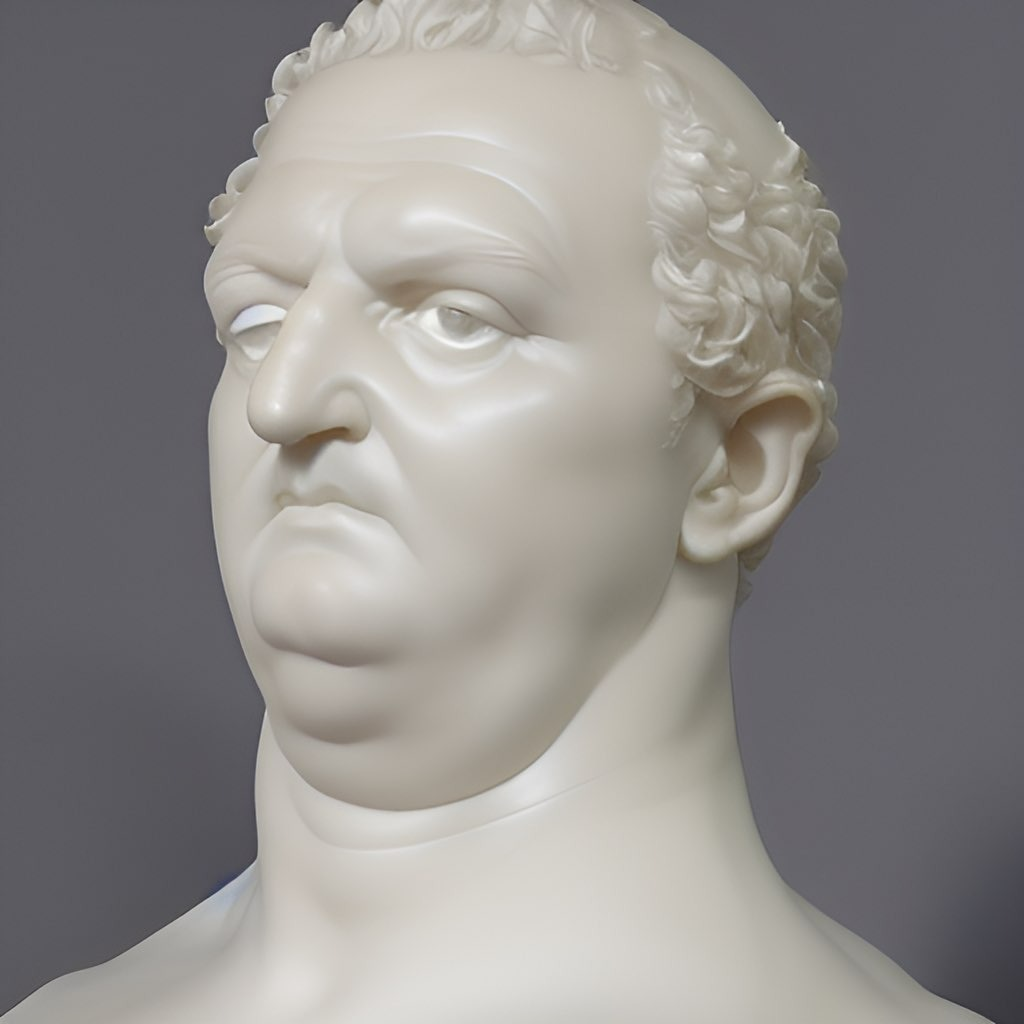
Caesar’s successful campaigns in Gaul enhanced his popularity, wealth, and military strength. However, his growing influence was seen by many in the Roman Senate as a threat to the traditional republican institutions.
Tensions escalated as Pompey became increasingly aligned with the conservative elements in the Senate, who were wary of Caesar’s power. Pompey’s wife, Caesar’s daughter Julia, passed away in 54 BCE, weakening the familial connection between the two men. Additionally, the Senate ordered Caesar to relinquish his command in Gaul and return to Rome, which he saw as an attempt to weaken his position and leave him vulnerable to prosecution.
In 49 BCE, Caesar faced a critical decision when he received an ultimatum from the Senate to disband his army and return to Rome. Refusing to lay down his command, Caesar famously crossed the Rubicon River, a symbolic act of defiance that marked the beginning of the civil war.
Caesar’s actions triggered a swift series of events. Pompey and many senators fled Rome, while Caesar rapidly advanced through Italy with his legions. The Senate declared Caesar an enemy of the state and granted Pompey full command over the Roman armies.
Pompey decided to retreat to the East, where he believed he could gather more resources and allies. He aimed to build a coalition against Caesar and secure his position through military means. Caesar pursued Pompey across the Adriatic Sea into Greece.
The two armies clashed at the Battle of Pharsalus in Thessaly, Greece, in 48 BCE. The battle was a decisive moment in the civil war. Despite being outnumbered, Caesar’s superior tactics and the loyalty of his battle-hardened legions secured a resounding victory. Pompey fled the battlefield and eventually sought refuge in Egypt, where he was assassinated.
The events leading up to the Battle of Pharsalus demonstrated the fragility of political alliances and the potential for power struggles among influential figures. Caesar’s daring actions and Pompey’s strategic decisions ultimately set the stage for a monumental showdown, the outcome of which would significantly impact the future of the Roman Republic.
The Battle of Pharsalus, which took place on August 9, 48 BCE, was a decisive engagement in the Roman civil war between Julius Caesar and Gnaeus Pompeius Magnus (Pompey). Fought in Thessaly, Greece, this battle marked a turning point in the conflict, solidifying Julius Caesar’s position as the dominant figure in Roman politics.
Julius Caesar’s forces numbered around 22,000 soldiers, consisting mainly of his veteran legions from his campaigns in Gaul. On the other side, Gnaeus Pompeius had a larger army of about 45,000 men, but his forces included less experienced troops, allies, and mercenaries. Despite his numerical advantage, Pompey’s army was spread thin along a long line.
Pompey, believing that he could use his numerical advantage to encircle Caesar’s smaller army, initially deployed his forces in a defensive formation. Caesar, however, recognized the weaknesses in Pompey’s deployment and decided to take the offensive. He shifted his troops to the right, creating a stronger concentration of troops on his right wing.
As the battle began, Caesar ordered his right wing, led by Mark Antony, to advance aggressively against Pompey’s left wing. This unexpected maneuver caught Pompey’s forces off guard and led to the rapid collapse of Pompey’s left flank.
Pompey attempted to stabilize his faltering left wing by sending his elite cavalry to counter Caesar’s attack. The cavalry charge initially disrupted Caesar’s forces, causing some confusion. However, Caesar managed to reinforce his troops with reserves, preventing the cavalry charge from achieving a decisive breakthrough.
Pompey, eager to take advantage of the initial success of his cavalry, personally led an infantry charge against Caesar’s right wing. This proved to be a critical mistake. The charge left Pompey’s command post, weakening the central command of his army and exposing himself to danger on the battlefield.
Seeing an opportunity, Caesar ordered his reserves to counterattack against the weakened center of Pompey’s line, where the absence of leadership was evident. Pompey’s lines began to crumble as his forces were pushed back. Despite their larger numbers, the less experienced troops in Pompey’s army struggled to hold their ground against the disciplined and battle-hardened legions of Caesar.
As the battle progressed, it became clear that Pompey’s forces were in disarray. Seeing the collapse of his army and realizing the battle was lost, Pompey fled the battlefield, seeking refuge in Egypt. The majority of his forces followed suit, leading to a decisive victory for Caesar.
The Battle of Pharsalus marked the end of Pompey’s military and political influence in the Roman civil war. His flight to Egypt ultimately led to his assassination, and Caesar emerged as the undisputed ruler of Rome. However, despite his victory, Caesar’s consolidation of power would face further challenges, and the battle’s impact would contribute to the transformation of the Roman Republic into the Roman Empire.
The Battle of Pharsalus demonstrated Caesar’s strategic brilliance and the effectiveness of his disciplined legions against Pompey’s larger but less cohesive forces. It was a defining moment in Roman history, shaping the course of events that would ultimately lead to the fall of the Roman Republic and the rise of the Roman Empire.




 DAVE DOES HISTORY
Leave a comment