
I grew up in the state of Colorado. Truthfully, it’s no longer the place I was a kid, but it still as a powerful draw on me, particularly the areas outside the front-range mega city (Denver-Colorado Springs-Pueblo). I have so many memories of my family and the state, so many connections to friends and family. I even had a discussion with my brother last Sunday about whether or not we would go back to live there. On August 1, 1876, the Centennial State entered the Union.

(Authors Photo)
In 2022, I went to see my Dad for the last time, and ended up doing the most “My Dad” thing I could, which was detouring through my favorite parts of Colorado to show my son the beauty and history of the State goes back long before 1876.
I will always love my Broncos and my Avalanche, and I will always miss Mile High Stadium and going to see Navy play Air Force in Colorado Springs. Growing up at Camp Elephant Rock. And the best vacation our family ever took – two weeks of Colorado. We saw everything there was to see. including our only family trip to Cortez and Mesa Verde and the Black Canyon. I guess I am always a Coloradoan, even if I have long ago moved on elsewhere and really don’t think that I will ever live there again.
Colorado, located in the western United States, boasts a rich and fascinating history that spans thousands of years. From its early Native American inhabitants to its eventual statehood, Colorado’s story is one of exploration, exploitation, and transformation. This essay will provide an overview of the key historical events that shaped the State of Colorado into what it is today.
1. Native American Presence:
Long before the arrival of European explorers, Colorado was home to various Native American tribes, including the Ute, Cheyenne, Arapaho, and others. These tribes had established intricate societies, relying on hunting, gathering, and trading to sustain their way of life. The ancient Puebloan civilization, known for its remarkable cliff dwellings at Mesa Verde, is another notable aspect of Colorado’s Native American heritage.
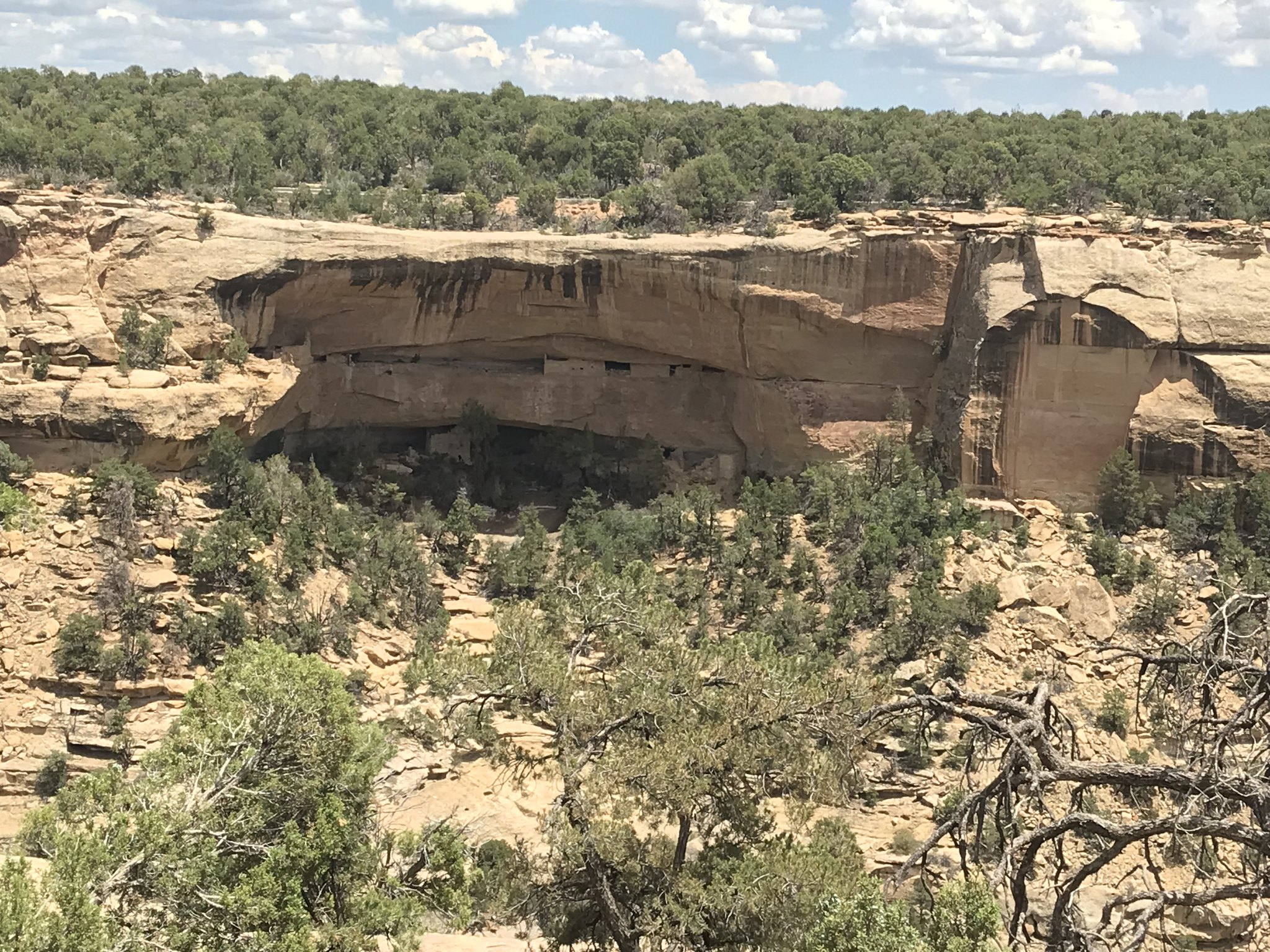
(Authors Photo)
2. Spanish Exploration and Settlement:
In the 16th century, Spanish explorers ventured into the region. Francisco Vázquez de Coronado led an expedition in search of the mythical “Seven Cities of Gold” in the 1540s. Though they did not find the rumored wealth, the Spanish did establish a foothold in the area, leading to further exploration and occasional conflicts with the Native American tribes.
3. Trappers, Traders, and Mountain Men:
In the early 1800s, Colorado became a focal point for fur trappers and traders, drawn by the abundant beaver population. Explorers such as Zebulon Pike and John C. Frémont also played crucial roles in mapping the region. Their reports and maps contributed to the eventual westward expansion of the United States.
4. The Pikes Peak Gold Rush:
The discovery of gold near present-day Denver in 1858 sparked the Pikes Peak Gold Rush. Thousands of people from across the country flocked to the area in search of riches, leading to the rapid growth of settlements and the establishment of Colorado City, Auraria, and Denver City. This influx of settlers eventually led to Colorado’s organization as a U.S. territory in 1861.
5. Colorado Territory and Statehood:
On February 28, 1861, President James Buchanan signed the bill creating the Colorado Territory, encompassing present-day Colorado, Wyoming, and parts of Nebraska, Utah, New Mexico, and Oklahoma. During the Civil War, Colorado remained firmly on the Union side, contributing soldiers and supplies to the war effort. The push for statehood gained momentum, and on August 1, 1876, Colorado officially became the 38th state in the United States.
6. The Railroad and Industrialization:
The construction of railroads played a pivotal role in Colorado’s growth and development. Railroads facilitated the transportation of goods, people, and mining resources, further fueling the state’s economic expansion. The mining industry, including silver, gold, and coal, played a significant role in Colorado’s economy during this period.
7. Agricultural and Urban Growth:
As mining booms subsided, Colorado’s focus shifted to agriculture. Irrigation projects, such as the Highline Canal and the Colorado Canal, facilitated farming and allowed the state to develop a thriving agricultural industry. Additionally, cities like Denver, Colorado Springs, and Pueblo grew rapidly as centers of commerce, industry, and culture.
8. Environmental Conservation:
Colorado’s stunning landscapes and natural resources also prompted efforts to preserve and protect the environment. Theodore Roosevelt’s establishment of national forests and parks, such as Rocky Mountain National Park, helped to safeguard Colorado’s natural treasures for future generations.
9. Modern Challenges and Opportunities:
In the 20th and 21st centuries, Colorado has faced various challenges and opportunities. The state has experienced population growth, economic diversification, and advancements in technology and education. The legalization of recreational marijuana and the emergence of renewable energy industries are among the notable developments that have shaped the state’s modern landscape.
Colorado’s history is a tale of resilience, exploration, and transformation. From its early Native American inhabitants to its current status as a vibrant state, Colorado has evolved significantly over the centuries. The legacies of the Native American tribes, Spanish explorers, fur trappers, and gold seekers, as well as the efforts of pioneers, industrialists, and environmentalists, all contribute to the diverse tapestry of Colorado’s history. As the state continues to evolve, it will undoubtedly draw inspiration from its past to build a promising future.

By Rennett Stowe from USA – Colorado National Monument, CC BY 2.0


 DAVE DOES HISTORY
Leave a reply to FTB1(SS) Cancel reply