
The Treaty of Box Elder, signed on July 30, 1863, was meant to mark the end of violence between the United States and the Northwestern Band of the Shoshone. But beneath its formal words and lofty promises, the treaty became a masterclass in betrayal. Though short in text, its consequences stretched over generations.
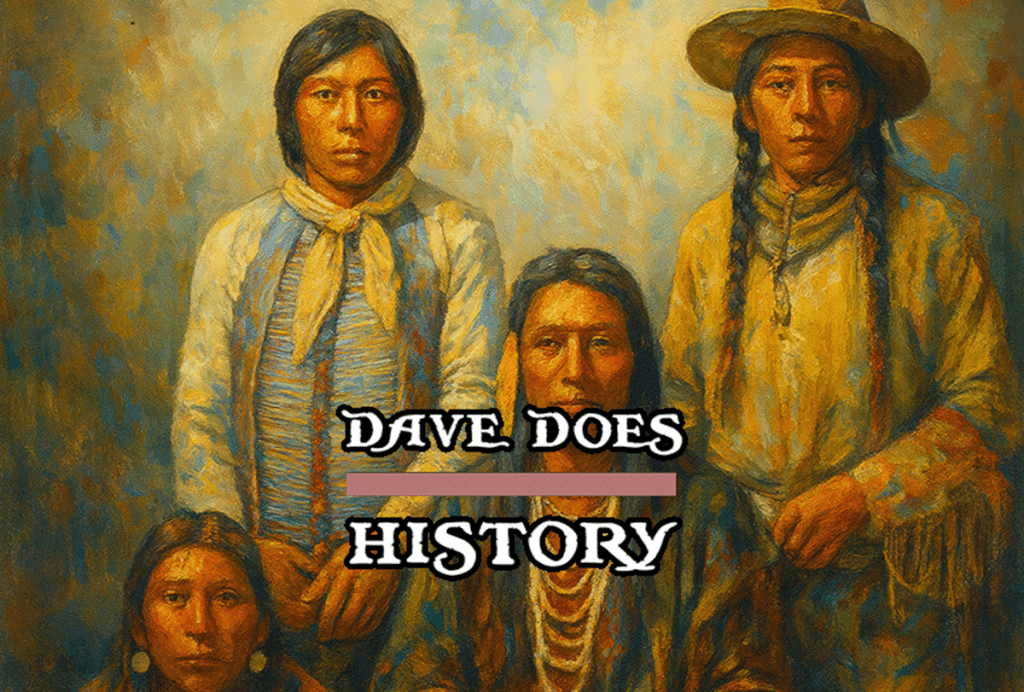
The Northwestern Shoshone called themselves So-so-goi, those who travel on foot. Their lives followed the rhythm of the seasons, moving through what we now call Utah, Idaho, and Wyoming. They fished in Salmon River, hunted in western Wyoming, and gathered pine nuts in Nevada. Their winter home, Moson Kahni, sat in Cache Valley, surrounded by natural springs, brush for shelter, and plentiful game. That life unraveled with the arrival of white settlers. Wagon trains scarred the landscape. Mormon pioneers fenced off the valleys. Game disappeared. Starvation took hold.
Tensions grew. Some Shoshone, desperate, took livestock or struck isolated parties. Settlers did not care which band was responsible. They saw only a threat. General Patrick Connor saw an opportunity. On January 29, 1863, Connor’s California Volunteers descended on a winter encampment at Bear River, near modern-day Preston, Idaho. They called it a battle. The Shoshone call it Boa Ogoi, where the blood froze in the snow.
What happened that morning cannot be called anything but massacre. Soldiers fired howitzers into tents. They gunned down women in icy waters. They tortured Chief Bear Hunter before killing him. Survivors like Chief Sagwitch and a few children escaped by crawling among corpses or hiding beneath riverbanks. Over two hundred died, perhaps as many as four hundred. It was the deadliest slaughter of Native people in American history, and it rarely gets mentioned.
Months later, the United States proposed peace. With their communities shattered, the Shoshone agreed to meet. At Box Elder, present-day Brigham City, Chief Pocatello signed the treaty along with a handful of other leaders. James Duane Doty and General Connor represented the U.S. government. The treaty called for perpetual peace. It affirmed an earlier agreement made with Chief Washakie at Fort Bridger. In return, the U.S. promised the Shoshone five thousand dollars annually, and two thousand in goods to relieve what it called their utter destitution. The treaty acknowledged the boundaries of Pocatello’s territory, from the Raft River in the west to the Portneuf Mountains in the east.
But before the ink dried, the Senate attached an amendment. It declared that the treaty did not give the Shoshone any legal claim to the land. In short, they could live there, but they owned nothing. Pocatello and several others were summoned again and agreed to the new clause, likely without full understanding of what it stripped away.
In the years that followed, promises fell apart. The annual goods arrived late or not at all. Settlers poured in. The government nudged the Shoshone toward the Fort Hall Reservation in Idaho. Some resisted. Some converted to Mormonism, seeking stability. Many tried to stay near Corinne, Utah, where annuity payments were distributed. But white townsfolk feared them. Rumors spread. The army was called in. Farms were seized. Crops, ready for harvest, were left to rot in the field.
Through it all, the Shoshone kept trying to adapt. They applied for homesteads. They worked with Mormon missionaries. A settlement called Washakie was founded. It offered a sliver of permanence, but even that faded. By the 1940s, many had moved away. The old ways were gone.
In 1930, the Northwestern Shoshone sued the United States. They asked for compensation for fifteen million acres lost through the Box Elder Treaty. The case crawled through the courts. In 1945, the Supreme Court issued its ruling. By a single vote, the treaty was declared nonbinding, a mere agreement of friendship. The Shoshone, according to the majority, held no title to the land. The justices admitted there was a moral obligation, but no legal one.
Justice Hugo Black, in dissent, called out the hypocrisy. The treaty had been written in English, signed by people who had no written language, no understanding of Western property law. Justice Douglas went further. He said the very fact the United States asked permission to cross the land proved that the Shoshone owned it. The nation had made a promise, and the court had helped it break it.
The Indian Claims Commission finally ruled in 1968 that the United States had taken nearly forty million acres from the Northwestern Shoshone and other bands. The total award came to just under sixteen million dollars, about fifty cents an acre. The Northwestern Band received one point three million, minus legal fees. In 1987, they were federally recognized as a sovereign tribe.
Today, the Northwestern Band of the Shoshone Nation holds 189 acres near Washakie, Utah. They do not call it a reservation. They say it is their land, self-sustained, and held with dignity. The Treaty of Box Elder may have failed them, but their story did not end there. It continues. A story not of surrender, but of survival.


 DAVE DOES HISTORY
Leave a comment