
When we think of American Independence Day, we almost automatically think of the 4th of July—the fireworks, the parades, the speeches about liberty, and the sense of pride that fills the air. But what if I told you that John Adams, one of the most prominent Founding Fathers, believed that July 2nd was the day that should truly be celebrated as the birth of the United States? For Adams, the real moment of independence didn’t come when the Declaration of Independence was signed on July 4th, 1776, but two days earlier, when the Continental Congress voted for independence on July 2nd. This bold prediction by Adams, though largely forgotten by history, is worth reconsidering. It wasn’t just a simple vote—it was a dramatic, suspense-filled moment that set the course for a new nation. It also had a crucial, unforgettable player in this drama: Caesar Rodney, the Delaware delegate who made a heroic, lightning-speed ride to cast his vote for independence at a pivotal moment.
Let’s rewind to the summer of 1776. Tensions between the American colonies and Britain had been building for years. The British government’s oppressive policies, from taxes to military actions, had pushed the colonies to the brink. The initial skirmishes of war had already taken place, and by 1776, the American colonies were in open rebellion. Still, a major divide remained: While many felt that independence was the only path forward, others hesitated. The colonies had grown prosperous under British rule, and the thought of severing those ties was not one taken lightly.
The Continental Congress was filled with the great minds of the time, yet even among them, there was no clear consensus on whether a formal break from Britain was necessary. John Adams, however, was unwavering in his belief that independence was inevitable. He was adamant that the colonies could no longer maintain any ties to Britain. Alongside other advocates for independence, such as Richard Henry Lee, Thomas Jefferson, and Benjamin Franklin, Adams began to push the case for severing the colonies’ relationship with Britain.
On June 7, 1776, Richard Henry Lee of Virginia introduced a resolution in the Continental Congress calling for the colonies to declare their independence. The resolution, known as the Lee Resolution, was met with strong support from the likes of Adams, but it was not a simple matter. Many delegates were still hesitant. After all, the ramifications of such a declaration were enormous. What would Britain’s response be? Would the colonies be able to survive without the might of the British Empire behind them? As the debates raged on, it was clear that action would have to be taken.
By July 2, 1776, the Congress was ready to vote. The decision to formally declare independence was at hand, and the moment was filled with high tension. The vote was called, and 12 of the 13 colonies voted in favor of the resolution. New York, however, was unable to cast its vote as its delegation had not received instructions from the state legislature. The other colonies voted for independence. America was now, in a formal sense, independent from Britain. But it wasn’t just the vote that made this moment so significant.
There was a remarkable, suspenseful element that added a dramatic twist to the day—the dramatic ride of Caesar Rodney, Delaware’s delegate.
Caesar Rodney was no ordinary man. He was a physician, a farmer, and a military officer who had served in the Delaware Assembly. He was also one of the most ardent supporters of independence, but on the day of the vote, he was in Delaware, a 70-mile journey away from Philadelphia. Rodney had been in poor health and had been unable to attend the Continental Congress for some time. But on the day of the vote, he knew he had to be there. Delaware’s vote was still uncertain; the state had only two delegates in the Continental Congress, and one of them, Thomas McKean, was already in favor of independence. The other delegate, George Read, was firmly against it.
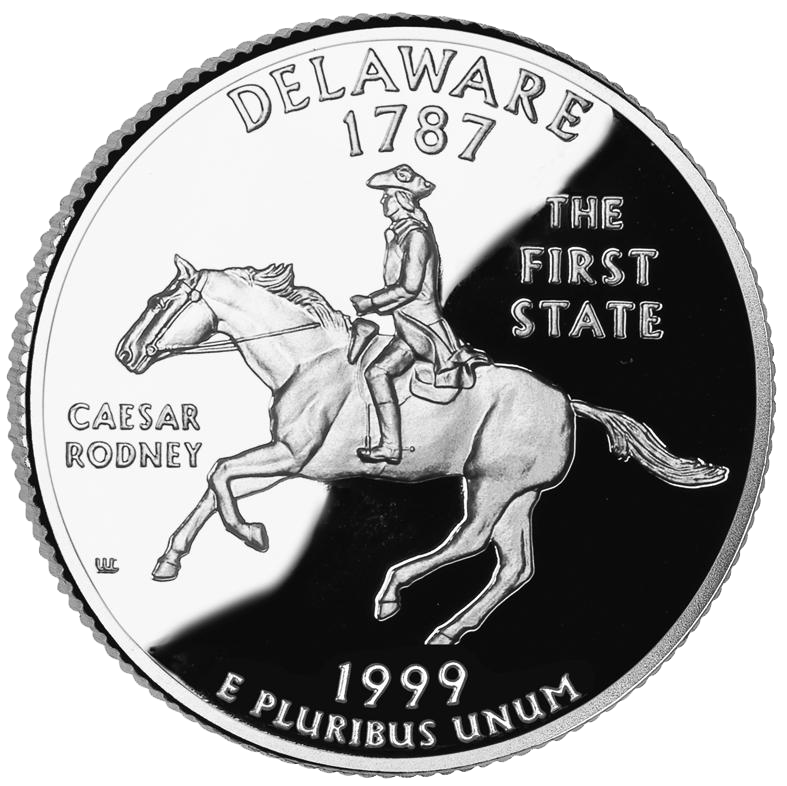
So Rodney, despite suffering from a painful illness, made a dramatic decision: he would ride all night through the rain and mud to reach Philadelphia in time for the vote. His ride was grueling—70 miles on horseback through rain, thunder, and rough terrain. But Rodney understood the stakes. If he didn’t arrive in time, Delaware would be the only state to oppose independence. This would have been a devastating blow to the cause.
After a night of exhausting travel, Rodney arrived just in time to cast his vote in favor of independence. His presence was the crucial turning point. With his vote, Delaware joined the other 12 colonies in declaring independence, making the vote official. Rodney’s ride and the sheer determination he showed in the face of adversity became one of the most heroic moments in the history of the American Revolution. Adams himself recognized Rodney’s significance in this moment and later praised him for his courage.
For Adams, this was the day. It was the moment of America’s birth, not the official signing(ish) of the Declaration of Independence two days later. In a letter to his wife, Abigail, written the day after the vote, Adams predicted, “The second day of July 1776 will be the most memorable epoch in the history of America.” He went on to say, “I am apt to believe that it will be celebrated by succeeding generations as the great anniversary festival. It ought to be commemorated as the day of deliverance by solemn acts of devotion to God Almighty. It ought to be solemnized with pomp and parade, with shows, games, sports, guns, bells, bonfires, and illuminations, from one end of this continent to the other, from this time forward forever more.”
Adams believed that the actual moment of independence came when the vote was taken and the resolution passed. The Declaration of Independence, while important as a statement to the world, was simply a formalization of a decision that had already been made. The real break from Britain, Adams felt, was the vote on the 2nd. It was that moment that laid the foundation for the free, independent nation that would soon emerge.
But, despite Adams’ belief, it was the signing of the Declaration two days later that captured the national imagination. The Declaration, written primarily by Thomas Jefferson, laid out the moral and philosophical justification for independence in eloquent terms. It wasn’t just a political act—it was a statement of principle that resonated deeply with the American people. The Declaration argued for a world where people had the right to govern themselves, free from tyranny. It was this bold declaration of ideals that made July 4th, rather than July 2nd, the day the nation would celebrate its independence.
Still, the 2nd of July remained an important and dramatic moment. It was on that day that the Continental Congress made the final break with Britain. The Lee Resolution was passed, and America was officially on the path to becoming an independent nation. John Adams was right to believe that this was a crucial moment—one worthy of recognition. His prediction that the 2nd would be the day of celebration, however, didn’t quite pan out, as history would favor the signing of the Declaration.
The significance of July 2nd is also found in the heroic ride of Caesar Rodney. His dramatic journey to cast his vote for independence underlined the urgency and importance of the moment. Without him, Delaware might have been the one colony to oppose independence. Rodney’s ride stands as a symbol of the determination and sacrifice that would define the American Revolution. His courage ensured that Delaware joined the other colonies in declaring independence, and in doing so, he played a key role in the birth of the United States.
So, the next time you celebrate Independence Day, think about the 2nd of July as well. Think about Caesar Rodney’s heroic ride through the storm, about John Adams’s belief in the significance of the vote, and about the moment when America made its decisive break from Britain. While we celebrate the signing of the Declaration of Independence on the 4th, let’s not forget the vote that made it all possible. July 2nd, 1776, was truly the day when America declared its independence, and it deserves a place in history alongside the 4th.

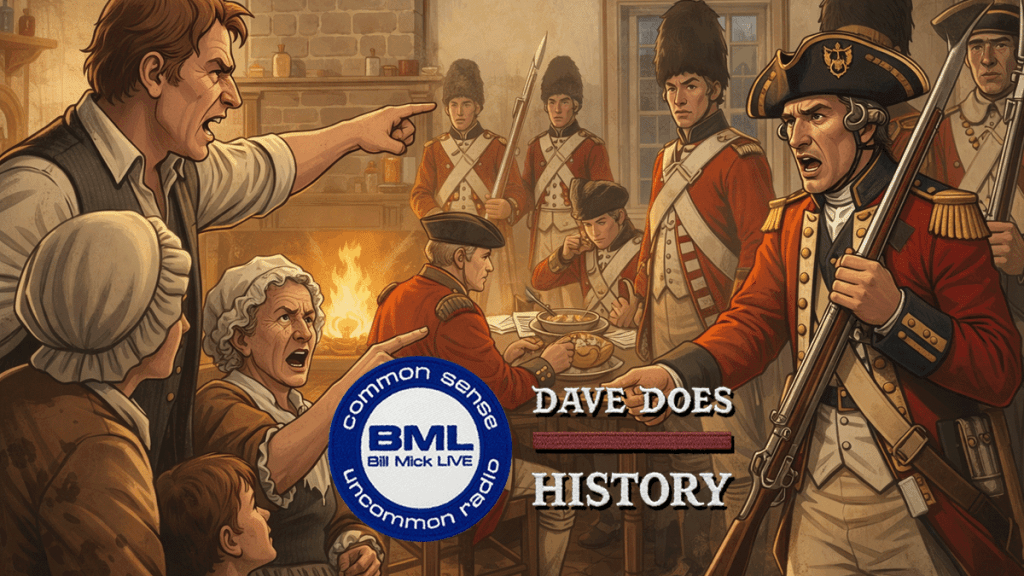
 DAVE DOES HISTORY
Leave a comment