
On June 15, 1776, in a little brick courthouse nestled along the banks of the Delaware River, something extraordinary happened. Long before the ink dried on Jefferson’s Declaration or the bells rang out in Philadelphia, a smaller, lesser-known group of patriots made a decision just as bold and perhaps even braver. Delaware, or what was then known as the Lower Counties on the Delaware, stood up, squared its shoulders, and said, enough. Enough of British rule. Enough of being tethered to Pennsylvania. With one stroke of a pen and a unanimous vote, they cut ties with both the Crown and the colony they’d long been governed by. It was a move that didn’t just make history, it foreshadowed it.
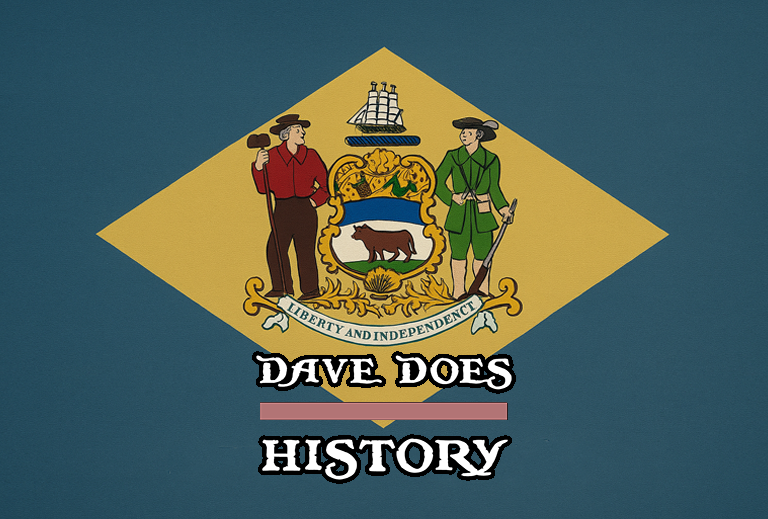
You’ve got to understand the peculiar position Delaware was in. Unlike Massachusetts or Virginia, Delaware wasn’t a stand-alone colony. It was legally part of Pennsylvania, three counties tacked on like a southern afterthought: New Castle, Kent, and Sussex. These Lower Counties had their own Assembly, yes, but they answered to Pennsylvania’s government, and ultimately to William Penn’s heirs. It was like living in the attic of someone else’s house. Over time, the folks in Delaware grew tired of being governed by a legislature that met miles away in Philadelphia, run by people who didn’t really know them, care about them, or represent them. They were done waiting for someone else to speak on their behalf.
And in 1776, when the fires of revolution were burning across the colonies, Delaware’s leaders saw a window. If they were going to join the American cause, they couldn’t do it halfway. They couldn’t just ditch the King and still take orders from Philadelphia. They had to go all in. Independence meant independence from everyone, not just the one with the crown.
That brings us to June 15. The Assembly met in the town of New Castle, in a courthouse that still stands today. It wasn’t a grand affair. No fireworks, no trumpets, no oratory etched in marble. But it was unanimous. Every man in that room knew what he was doing. They declared, in no uncertain terms, that the government of Pennsylvania no longer had authority over them. Nor did the British Crown. From that moment forward, Delaware would chart its own course. They called themselves “The Delaware State,” a title that stuck and still stands.
It’s worth pausing to recognize just how radical that was. At that point, the Continental Congress hadn’t yet declared independence. The vote in Philadelphia wouldn’t come for another couple of weeks. What Delaware did was ahead of the curve, a quiet but thunderous act of rebellion. And it wasn’t done by firebrands with muskets in the street. It was done by farmers, merchants, and lawyers who believed their communities had the right to self-government.
One of those men was Thomas McKean. McKean was sharp, impatient, and absolutely determined to break free from both Penn and King. He’d had enough of being treated like a second-class delegate in the Pennsylvania system. In his eyes, Delaware was every bit as capable of managing its own affairs. He pushed hard for separation and carried the weight of his convictions all the way to Philadelphia, where he later served as one of Delaware’s delegates to the Continental Congress.
And then there was Caesar Rodney. If you know anything about Delaware’s role in the revolution, you know about Rodney’s famous ride. But that midnight dash from Dover to Philadelphia on July 1 and 2 was only possible because of what happened back in June. Rodney was able to represent a fully independent Delaware, no strings attached, when he cast the deciding vote that ensured Delaware’s support for the national Declaration of Independence. That ride, through a summer storm and with a face full of cancer and saddle sores, was the exclamation point at the end of Delaware’s earlier sentence: we are free.
After the declaration in June, Delaware didn’t just stop there. In September of 1776, they adopted their own constitution, one of the first in the new nation. It laid out how their government would work, who would lead it, and how justice would be served. They went from being three frustrated counties under someone else’s thumb to a fully formed state, standing on their own, ready to fight and ready to govern.
And today, if you happen to find yourself in New Castle around the middle of June, you’ll see the locals still honor that day. It’s called Separation Day. There are reenactments, parades, fireworks, and yes, speeches. It’s a celebration of that quiet decision made in a small room that changed the course of Delaware’s history and gave it the honor of being first.
Delaware didn’t have the size or the swagger of Massachusetts or Virginia. It didn’t have the bustling cities of New York or Pennsylvania. But what it had, in spades, was nerve. It had leaders who believed that freedom meant making your own decisions, even when it meant going it alone. And they acted on that belief before almost anyone else did.
In an age when politicians talk a lot about courage but rarely demonstrate it, there’s something refreshing about Delaware’s story. No headlines, no grandstanding. Just a group of patriots who knew who they were, what they wanted, and what it would cost to get it. And they didn’t blink.
So the next time you hear about July 4, tip your hat to June 15. Delaware got there first.



 DAVE DOES HISTORY
Leave a comment