
On a crisp May morning in 1939, the crew of the USS Squalus set out from Portsmouth, New Hampshire, unaware that they were about to write one of the most remarkable chapters in submarine history. The Squalus was new. She was sleek, modern, and powerful. A Sargo-class submarine, she had been launched only the previous September, and commissioned into service just two months before. Her commander, Lieutenant Oliver Naquin, a Naval Academy graduate and seasoned submariner, had a reputation for discipline, attention to detail, and the quiet confidence needed to lead a crew through the perilous underworld of undersea warfare.
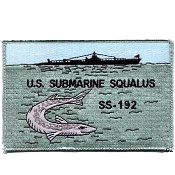
The Squalus was more than a ship. She was a symbol of modern engineering, capable of diving to 250 feet, traveling 11,000 miles without refueling, and enduring 75-day patrols beneath the sea. She was the twin sister to the USS Sculpin, and both boats were among the Navy’s answers to the looming specter of war in Europe and the rising tension in the Pacific. The world’s navies were in a race to master the deep, and submarines—still seen by many as dangerous coffins—were being transformed into front-line weapons.
On May 23, 1939, the Squalus departed for a routine test dive off the Isles of Shoals. On board were 56 officers and enlisted men, joined by three civilian technicians. The goal was to test the submarine’s ability to submerge at high speed, a critical maneuver in the event of an enemy air attack. Everything looked normal. Lights in the control room glowed green. The “Christmas tree” board, which signaled that all hatches and valves were closed, gave no warning of trouble. Even the safety test, which involved blasting high-pressure air into the submarine to check for leaks, passed without incident.
And then, in an instant, everything changed. As the boat slipped beneath the waves, Naquin felt a shift in the air. His ears popped. He knew something was wrong. A frantic voice crackled through the intercom. “Take her up! The induction’s open!” It was not possible. The lights were green. But reality rushed in with the seawater, pouring into the aft torpedo room, the engine rooms, and the crew’s quarters.
Naquin reacted immediately, ordering the ballast tanks blown and watertight doors sealed. The Squalus hung momentarily in the water, fighting for the surface, then tipped stern-first and plunged toward the sea floor. A young electrician, Lloyd Maness, slammed shut a 200-pound door as water surged around him. He saved five men. Behind that door, no one survived.
At 240 feet, the submarine struck bottom. Darkness fell. Cold crept in. Battery acid, seawater, and oil filled the air. There was a very real chance the boat would explode from within, as shorted batteries sparked and hissed. Chief Electrician’s Mate Lawrence Gainer crawled into the belly of the ship, past melting insulation and chemical fumes, and severed the battery circuits just in time. His eyes were damaged. His lungs burned. But he saved the rest of the crew.
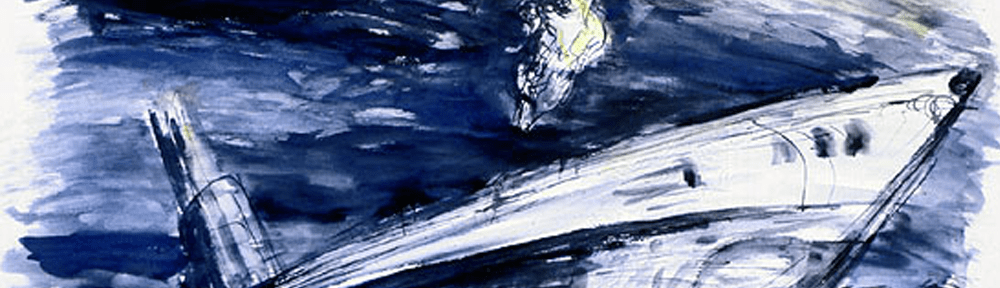
Only four compartments remained dry. Thirty-three men, including one civilian, were alive. Twenty-six were dead—trapped, drowned, or crushed by the flooding. Naquin did not know who had survived aft, if anyone. He ordered his men to rest, conserve oxygen, and prepare the emergency escape gear known as Momsen lungs. But even that was a gamble. The lungs had never been tested beyond 200 feet. They were at 240. To swim for it might mean death. But staying meant slowly suffocating.
Naquin deployed a buoy with a telephone line. He fired smoke rockets. He waited.
On the surface, the Navy was already in motion. The Squalus was overdue. The USS Sculpin, preparing to depart for Panama, raced back to the area. A lookout spotted the flash of a rocket. The Sculpin hauled aboard the buoy and established phone contact. “Hello Wilkie,” Naquin said to his friend, Lieutenant Commander Warren Wilkin. “Hello Oliver,” came the reply. At that exact moment, a swell lifted the Sculpin and snapped the cable. Silence returned to the deep.
More ships arrived. Divers searched. Finally, the Squalus was found by dragging anchors. Above, the Navy’s new submarine rescue ship, USS Falcon, arrived from New London. On board was the McCann Rescue Chamber—a nine-ton steel bell designed by Commander Allan McCann and Charles “Swede” Momsen. It had never been used in an actual rescue. This would be the first test, with real lives hanging in the balance.
Time was running out. Inside the Squalus, the air was stale and cold. Some men were soaked to the bone. One survivor would later recall the fear of the hull giving way. “The only frightening thing,” he said, “was I did not know how much water was under us. I thought we might go down to 400 feet and crush in.”
When the rescue bell finally reached the deck, Torpedoman John Mihalowski opened the hatch. The glow of light from the chamber blinded the men below. One of them saw Mihalowski’s wet sneakers and thought they were the most beautiful sight in the world. Four trips down. Four trips back. Thirty-three men saved. On the final trip, the chamber jammed. The rescue nearly failed in sight of success. Only by manually hauling the bell with ropes and venting air ballast did the crew on the Falcon bring the last group to the surface. Forty hours after the Squalus sank, the survivors breathed fresh air again.
The country hailed the rescue. For the first time, a submarine disaster had not ended in total tragedy. A week later, on Memorial Day, the survivors joined the town of Kittery, Maine, for a service honoring the lost. A 21-gun salute echoed over the ocean. The Navy vowed to find out what went wrong.
Over the next 113 days, salvage teams worked to raise the Squalus. Divers toiled in the deep, rigging pontoons and chains. On the first lift attempt, the sub shot to the surface, broke free, and crashed back to the bottom. “Hearts were broken,” said Momsen. But the Navy persisted. By September, the submarine rose from the sea and was towed into Portsmouth.
Twenty-five bodies were recovered. One man, who had struggled to escape during the sinking, had opened a hatch. His body was never found. The Navy determined that a faulty main induction valve caused the flooding. Submarine designs were modified. Valves were changed to quick-closing types. Lessons were learned. Lives would be saved because of what happened aboard the Squalus.
But the story did not end there. President Franklin Roosevelt, upon seeing a photo of the Squalus rearing up during the salvage, was reminded of a leaping fish. The submarine was renamed USS Sailfish. She returned to service in 1940 and went on to earn nine battle stars in the Pacific War. Her crew, forbidden to say the name “Squalus,” jokingly called her “Squailfish” until a threatened court martial ended the humor.
In one of war’s cruel ironies, the Sailfish would later sink a Japanese carrier, the Chūyō, unaware that it was carrying American prisoners of war—men from the USS Sculpin, the very boat that had helped save the Squalus four years earlier. Of the twenty POWs, only one survived. None had served on the original rescue.
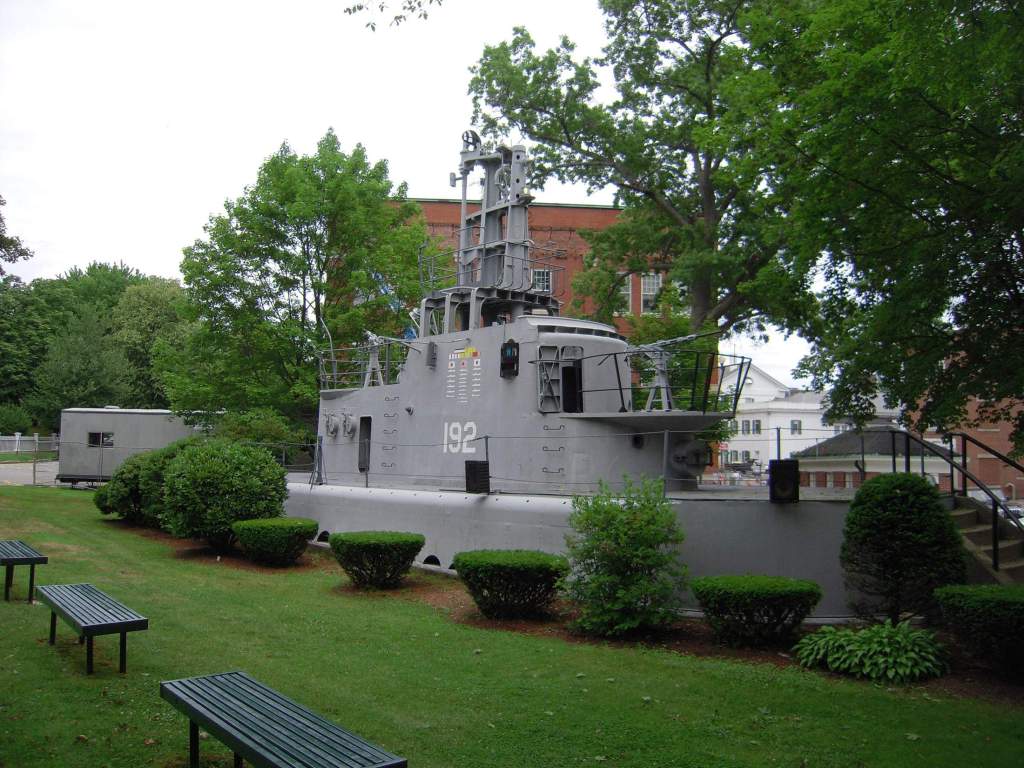
Today, the conning tower of the Squalus stands as a memorial at the Portsmouth Naval Shipyard. It is a silent sentinel, a reminder of the price of service beneath the sea, of courage under pressure, and of the bond between shipmates that transcends time.
The sinking of the Squalus was a tragedy. But it was also a turning point. It changed how the Navy approached submarine design, rescue, and salvage. It taught the value of readiness, the power of innovation, and the importance of never giving up—even when the sea seems determined to keep its secrets.



 DAVE DOES HISTORY
Leave a comment