
The Battle of Iwo Jima was a desperate clash in the final months of the Pacific War, an engagement that tested the endurance and strategy of both American and Japanese forces. Located in the Volcano Islands, Iwo Jima was a crucial waypoint between the Mariana Islands and the Japanese home islands. It was small—just eight square miles of volcanic rock—but its strategic value was enormous. Capturing Iwo Jima would provide the U.S. with airfields for fighter escorts to protect B-29 bombers on their missions over Japan. It would also serve as an emergency landing site for crippled bombers returning from those raids. The Japanese knew this, and they turned the island into a fortress.
General Tadamichi Kuribayashi, the Japanese commander, understood that he could not stop the American invasion, but he could make it as costly as possible. He abandoned the traditional strategy of meeting the enemy at the beaches and instead constructed an elaborate network of bunkers, tunnels, and fortified positions. His goal was to bleed the Americans dry before they reached the high ground. Meanwhile, another weapon was being honed—one that would send waves of terror through the U.S. fleet. Kamikaze pilots, trained to turn their planes into guided missiles, were now a fully institutionalized part of Japanese military strategy. By early 1945, Japan had lost air superiority and was running out of trained pilots. Desperation led to the systematic use of these suicide missions, aimed at turning the tide through sheer brutality.
On February 21, 1945, the kamikaze attacks intensified as the U.S. fleet supported the ground forces fighting on Iwo Jima. The USS Bismarck Sea, a Casablanca-class escort carrier, was stationed near the island providing air support when it was struck by two kamikaze planes in rapid succession. The first hit set the carrier ablaze, but it was the second impact that sealed her fate, igniting ammunition and fuel stores below deck. With fires raging uncontrollably, orders were given to abandon ship. Within ninety minutes, the USS Bismarck Sea was gone, sinking beneath the waves with 318 of her crew. Among the lost was Doris “Dorie” Miller, the first African American to be awarded the Navy Cross, famous for his heroism during the attack on Pearl Harbor. His story was already legendary, but his sacrifice on February 21 ensured that he would never see the peace that so many fought to secure.
The USS Saratoga, a much larger and more seasoned carrier, was also in the crosshairs that day. She had already seen years of service, surviving multiple torpedo attacks and earning a reputation for resilience. But this was different. Five kamikaze aircraft targeted the ship in quick succession. The first struck just aft of the bridge, igniting an explosion that sent debris and flames across the flight deck. The second hit penetrated deep, reaching the forward elevator and setting off secondary blasts. In just three minutes, Saratoga had suffered enough damage to cripple any lesser ship.

Yet, the crew fought back. Firefighting teams battled the inferno, and gunners took down three of the attacking planes before they could strike. Even so, Saratoga was left severely wounded. More than 120 men were killed, and over 200 were wounded. Sixty sailors were lost in the wreckage, their bodies unrecoverable until the ship made it back to Bremerton, Washington. When the remains were finally retrieved, they were buried at Ivy Green Cemetery, a solemn resting place for those who gave their lives in the Pacific.
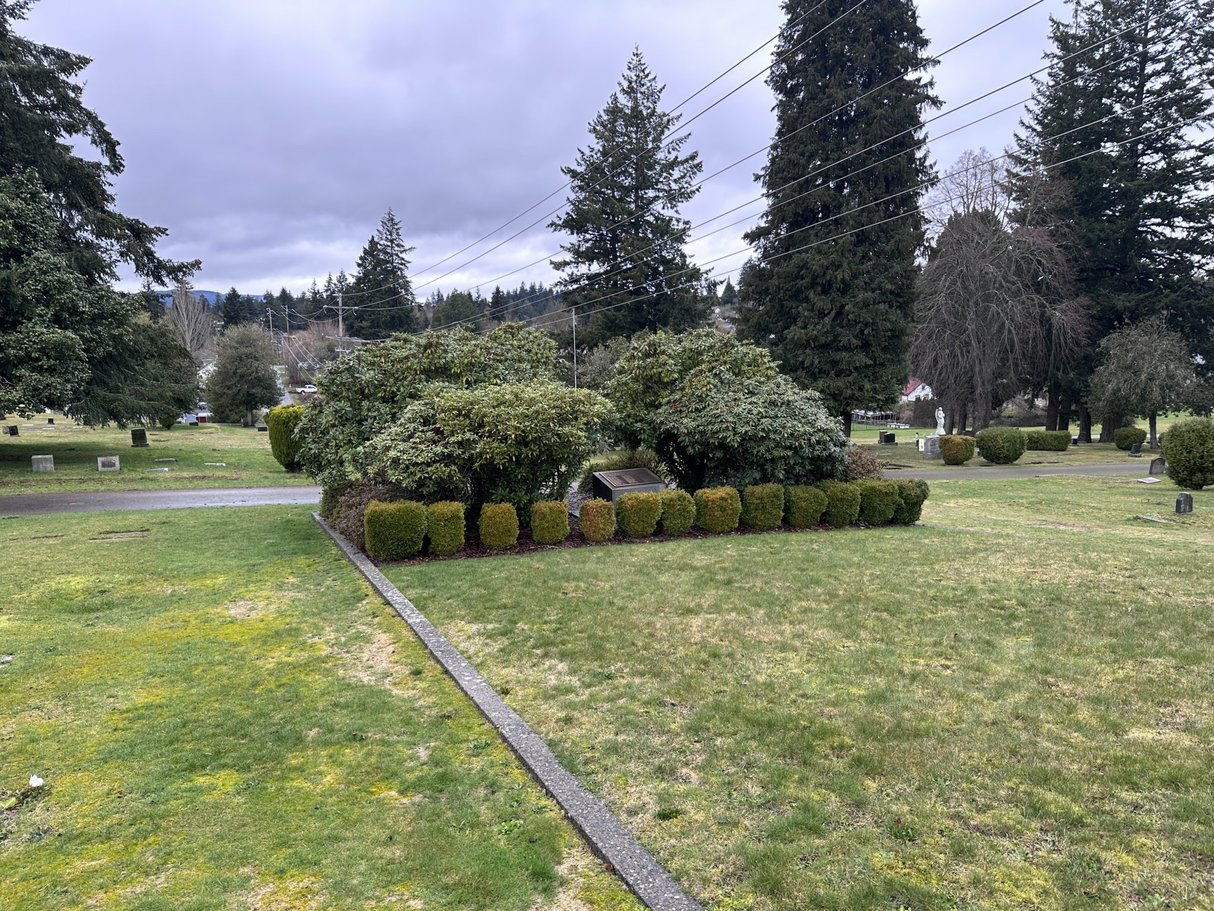
The loss of the USS Bismarck Sea marked the last time an American aircraft carrier was sunk due to enemy action, a grim distinction that underscored the ferocity of the kamikaze threat. The Saratoga, though battered, survived once again—proof of both her resilience and the determination of her crew. But the price was high. For the families of the fallen, for the sailors who fought to keep the ship afloat, and for those who watched friends and comrades vanish in the fire and waves, the battle left scars that never fully healed.
In the broader context of history, the sacrifice at Iwo Jima served as a harbinger of what an invasion of Japan would have entailed. The kamikaze strategy was never about winning the war; it was about making victory so costly that America might reconsider. The USS Bismarck Sea and the Saratoga were among the many ships that bore the brunt of that desperate gamble. The men who fought and died aboard them were part of a struggle that reshaped the world. And in cemeteries like Ivy Green, their legacy endures—not just in stone, but in the stories that demand to be told.


 DAVE DOES HISTORY
Leave a comment