
Wars often evoke images of grim battlefields, valorous deeds, and tragic losses. Yet, there was one war in American history where the most significant injury was a sheriff’s deputy stabbed with a penknife, and the fiercest “battles” featured taunts shouted across a river. This was the Toledo War—a boundary dispute between Michigan Territory and Ohio in 1835 and 1836, which historians aptly describe as a “comic opera.”
The Toledo War wasn’t fought over grand ideals or clashing empires. Instead, it revolved around 468 square miles of disputed land known as the Toledo Strip, a narrow ribbon of territory along what is now the Ohio-Michigan border. To outsiders, the stakes may have seemed small. But to Ohio and Michigan, the Strip represented economic opportunity, political pride, and regional dominance. Toledo, located at the confluence of the Maumee River and Lake Erie, was poised to become a key hub for trade and transportation in the rapidly growing Midwest. Control over the Strip wasn’t just about land—it was about securing a prosperous future.
At the heart of the conflict lay flawed maps, vague legislation, and a hefty dose of political ego. The Northwest Ordinance of 1787, which laid out the Midwest’s territorial borders, used the southern tip of Lake Michigan as a reference point for Ohio’s northern boundary. Unfortunately, contemporary maps inaccurately placed that tip farther north than it actually is. By the time Michigan petitioned for statehood in 1835, Ohio had already passed laws claiming the Strip. The result was a clash between Ohio’s seasoned Governor Robert Lucas and Michigan’s fiery young “Boy Governor,” Stevens T. Mason. As both states raised militias, passed inflammatory legislation, and established rival governments, the dispute escalated into farce. Meanwhile, President Andrew Jackson, valuing political alliances over fairness, lent his support to Ohio, further stoking tensions.
Though the Toledo War saw little bloodshed, its resolution had long-term consequences. Ohio retained the Toledo Strip, while Michigan was granted the Upper Peninsula—a “consolation prize” it initially dismissed as worthless wilderness. Ironically, this overlooked region would later yield valuable natural resources, including copper and iron, and become a cornerstone of Michigan’s economy. The Toledo War, then, wasn’t just a curious historical footnote—it was a vivid example of how politics, economics, and geography shape our borders and lives.
The Disputed Land: The Toledo Strip
At the center of the Toledo War was the Toledo Strip, a seemingly unremarkable 468-square-mile swath of land. On the surface, it might have looked like just another patch of fertile Midwestern farmland. But its true value lay in its geography. The Maumee River and Lake Erie made this region a strategic gem for trade, transportation, and economic growth.
The Maumee River connected Ohio’s agricultural interior with the Great Lakes shipping network. This artery for commerce was critical in the early 19th century when canals and rivers dominated trade. Plans to build the Miami and Erie Canal, linking the Maumee River to the Ohio River, only heightened the Strip’s importance. This canal would funnel goods from the Midwest to Lake Erie and, via the Erie Canal, to national and international markets.
Lake Erie amplified the Strip’s significance. As a gateway to the Great Lakes, it promised to transform Toledo into a bustling port city. For Ohio, securing the Strip meant safeguarding its economic future and asserting dominance over key trade routes. For Michigan, losing the Strip would sever vital links to these waterways, isolating it economically. Both sides viewed the Strip as a ticket to prosperity, making its control a matter of survival in the competitive Midwest.
Legal and Geographical Confusion
The Toledo War’s roots lay in poor maps and ambiguous legislation. The Northwest Ordinance of 1787 defined Michigan’s southern boundary as an east-west line drawn through the southern tip of Lake Michigan. However, faulty maps placed that tip farther north than reality, creating confusion over the boundary’s true location.
Ohio sought to preempt this ambiguity when drafting its 1802 state constitution. It included a provision adjusting the boundary to ensure Toledo and the Maumee River fell within its borders. This adjustment, later formalized as the Harris Line, became Ohio’s basis for claiming the Strip. Michigan, however, relied on the original Ordinance Line, known as the Fulton Line, which placed the boundary just south of Toledo. Both states commissioned surveys to bolster their claims, but Congress’s failure to resolve the issue during Ohio’s admission left the boundary in limbo for decades.
This legal gray area, coupled with political maneuvering, set the stage for one of American history’s most peculiar conflicts. The Toledo War became a battle not just for land but for clarity in governance and territorial ambition.
Economic Stakes: Canals, Farmland, and Ambition
By the 1830s, the Midwest was undergoing a transportation revolution, and the Toledo Strip stood at its center. The Erie Canal, completed in 1825, linked the Hudson River to the Great Lakes, turning remote towns into bustling hubs. Ohio’s Miami and Erie Canal, designed to connect the Maumee and Ohio Rivers, further elevated the Strip’s importance.
Ohio saw the Strip as a gateway to economic dominance. The Maumee River, while not ideal for large ships, provided critical connections between Lake Erie and the interior. For Michigan, the Strip’s fertile farmland promised agricultural prosperity and statehood credibility. Losing it would have been a devastating blow to its economy and future.
Key Players and the Military Standoff
The Toledo War’s central figures embodied its drama. Ohio’s Governor Robert Lucas, a seasoned politician, was determined to secure the Strip, using legislation and militias to assert Ohio’s claim. Michigan’s Stevens T. Mason, just 24 years old, became a fiery symbol of territorial defiance. Meanwhile, President Andrew Jackson prioritized Ohio’s political value, lending it federal support despite Michigan’s stronger legal claim.
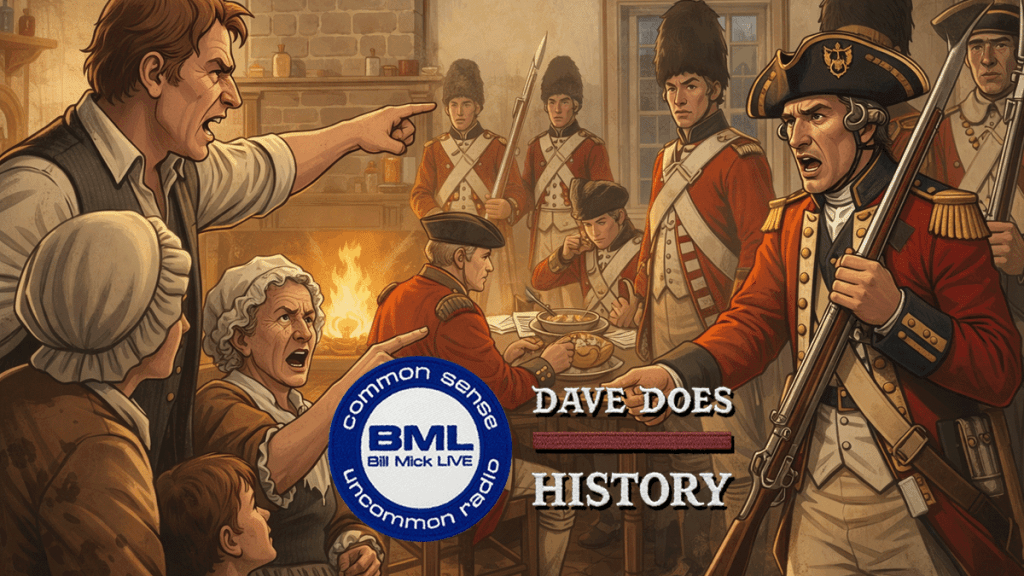
As tensions escalated, both states deployed militias. The sole “battle” occurred at Phillips Corners, where Michigan’s forces captured nine Ohio surveyors. The only injury came from a penknife stabbing, underscoring the war’s farcical nature.
Resolution: The Frostbitten Convention and Beyond
By 1836, Michigan’s financial struggles forced it to compromise. At the Frostbitten Convention, delegates reluctantly accepted Congress’s terms: Ohio kept the Strip, and Michigan received the Upper Peninsula. Though initially seen as a poor trade, the Upper Peninsula’s mineral wealth later transformed Michigan’s economy. The boundary dispute officially ended, though minor adjustments persisted into the 20th century.
Lessons for Today
The Toledo War offers enduring insights:
-
- The Cost of Poor Mapping: Clear, accurate data is vital for governance to avoid unnecessary conflicts.
-
- The Role of Politics: Power dynamics often outweigh fairness in decision-making.
-
- Economic Short-Sightedness: Michigan’s initial dismissal of the Upper Peninsula underscores the importance of long-term thinking.
- Conflict Resolution: Compromise and federal mediation are essential tools for managing disputes peacefully.
In the end, the Toledo War was a small conflict with outsized lessons. Its comic opera of events offers a fascinating lens through which to understand the interplay of politics, economics, and geography—a reminder of how even the most peculiar disputes can leave lasting legacies.



 DAVE DOES HISTORY
Leave a comment