
It’s December 1776, and the American Revolution is hanging by a thread. George Washington is plotting his daring crossing of the Delaware River, but success depends on one critical element: keeping the British and Hessian forces distracted. Enter Colonel Samuel Griffin and his scrappy militia in Mount Holly, New Jersey.
In this episode, we unravel the little-known story of the Battle of Iron Works Hill—a cunning ruse that lured Hessian Colonel Carl von Donop away from Trenton at a pivotal moment. Discover how this small skirmish, fueled by grit and guile, set the stage for Washington’s iconic victory at Trenton and changed the course of history.
Perfect for anyone who loves tales of underdogs turning the tide.
The winter of 1776 was a time of desperation for the American cause. George Washington’s Continental Army, battered and dwindling, clung to survival on the western bank of the Delaware River. Defeats in New York and across New Jersey had left them in dire straits. The army was ravaged by disease, hunger, and exhaustion, with enlistments set to expire in the new year. Washington, facing the collapse of his force, devised a daring plan: a surprise attack on the Hessian garrison at Trenton. For this plan to succeed, he needed to isolate the enemy’s forces.
The small battle at Iron Works Hill in Mount Holly, New Jersey, was a key element in this strategy. Though often overlooked, the skirmishes that unfolded there played a critical role in distracting and drawing away British and Hessian forces from Trenton. Led by Colonel Samuel Griffin, a force of 600 militia engaged in a series of deceptive maneuvers designed to entice Hessian Colonel Carl von Donop and his troops to Mount Holly, far south of their strategic post in Bordentown.
Griffin’s militia was a ragtag group of Virginia artillerymen, Pennsylvania regulars, and New Jersey volunteers. They were poorly equipped and no match for von Donop’s disciplined force of 2,000 Hessian and British troops. Yet, Griffin understood that their mission was not to win a conventional battle but to mislead and distract. The Americans began their feint by skirmishing at Petticoat Bridge, where they engaged British patrols before retreating toward Mount Holly. Reports of a large rebel force reached von Donop, who, believing he faced a substantial threat, led his forces southward to confront Griffin.
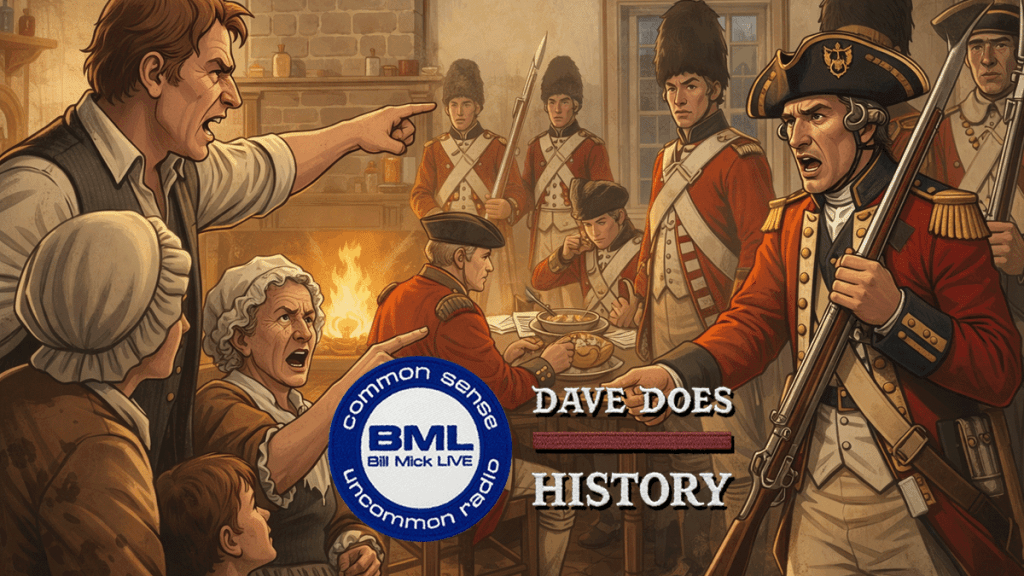
The decisive actions came on December 23, when von Donop’s troops reached Mount Holly. Griffin’s militia engaged in a brief but spirited defense from Iron Works Hill, strategically retreating under the cover of darkness to Moorestown. Von Donop, now in control of Mount Holly, celebrated his apparent victory. The Hessian troops, exhausted and perhaps overconfident, plundered the town’s homes and stores, indulging in alcohol and enjoying a rare chance to gather together in one location. Von Donop himself stayed at the home of a young widow, reportedly distracted by her charms. This revelry proved costly.
While von Donop’s forces lingered in Mount Holly, Washington prepared his audacious crossing of the Delaware River. With the Hessians diverted south, the garrison at Trenton, commanded by Colonel Johann Rall, was left unsupported. Washington’s attack on Christmas night overwhelmed Rall’s brigade, delivering a decisive and morale-boosting victory for the Continental Army.
Following the events at Mount Holly, von Donop received news of the disaster at Trenton. His forces, now 18 miles away from the battlefield, were in no position to respond. The Hessians remained in Mount Holly until December 27, belatedly retreating toward Bordentown to regroup. This delay underscored the strategic success of the Iron Works Hill skirmishes. By pulling von Donop southward, Griffin’s militia not only deprived Rall of reinforcements but also ensured that British and Hessian forces in central New Jersey were too scattered to mount an effective counterattack in the immediate aftermath of Trenton.
The Battle of Iron Works Hill contributed directly to the success of Washington’s plan in multiple ways. First, it disrupted the British chain of command and coordination. Von Donop’s detachment southward left Bordentown lightly defended and undermined the larger British defensive posture in New Jersey. Second, the diversion emboldened Washington’s troops. Knowing that key Hessian forces were out of position gave the Continental Army greater confidence as they embarked on their daring operation.
The actions of the British and Hessian troops following the battle reveal the cascading effects of the Iron Works Hill engagement. The delay in von Donop’s return allowed Washington to consolidate his victory at Trenton and prepare for further campaigns, including the pivotal victory at Princeton. For the British, the debacle highlighted the pitfalls of underestimating the Americans’ ability to use unconventional tactics.
The Battle of Iron Works Hill is a testament to the power of ingenuity and the importance of small actions in shaping the broader course of history. Griffin’s militia, though outmatched in every material way, managed to execute a deception that changed the trajectory of the Revolutionary War. Their actions remind us that in the darkest moments, determination, strategy, and a bit of daring can turn the tide. Washington’s triumph at Trenton, which reignited the American cause, owes much to the humble yet critical efforts of those who fought at Iron Works Hill. Their courage and cunning not only saved the Revolution but ensured its legacy as a story of resilience and hope.



 DAVE DOES HISTORY
Leave a comment