
 In this episode, we uncover the extraordinary life of Mary Livermore—teacher, abolitionist, Civil War heroine, and trailblazer for women’s suffrage. From her early days witnessing the horrors of slavery to organizing monumental relief efforts during the war, Mary’s story is one of grit, determination, and boundless compassion. We’ll explore how this “strong-minded woman” raised millions for Union soldiers, wielded her pen and voice to fight for justice, and inspired a generation to demand equality. It’s history with heart, told through the lens of one woman’s unstoppable drive to leave the world better than she found it.
Tune in for an inspiring ride through America’s past—where Mary Livermore’s work reminds us that conviction and action can change the course of history.
Mary Livermore’s life is a story of transformation, resilience, and relentless advocacy for justice. Born Mary Ashton Rice on December 19, 1820 in Boston, Massachusetts, she entered the world during a period of profound societal upheaval in America. The young nation was grappling with the growing divide over slavery, emerging industrialization, and questions about women’s roles in public and private life. Against this backdrop, Mary’s journey from a studious young woman to a leading force in abolition, women’s suffrage, temperance, and humanitarianism reflects her determination to challenge the constraints of her time.
Mary’s early years revealed her sharp intellect and moral grounding. She graduated from Boston public schools by the age of 14, a remarkable feat even in an era when educational opportunities for women were limited. With no public high schools or colleges available to her, she attended the Charlestown Female Seminary, where her academic prowess continued to flourish. Upon graduating, she remained at the seminary as a teacher, but her life took a pivotal turn when she accepted a tutoring position on a Virginia plantation in 1839. It was here that she witnessed the brutal realities of slavery, an experience that ignited her lifelong commitment to abolition. This stark confrontation with human suffering transformed Mary’s moral convictions into action and catalyzed her journey as a reformer.
In 1845, Mary married Daniel P. Livermore, a Universalist minister who supported her intellectual and social pursuits. Their marriage was a true partnership, and together they moved to Chicago in 1857. There, Daniel established the New Covenant, a Universalist journal where Mary served as associate editor for twelve years. Through her contributions to the journal, Mary refined her voice as a writer and advocate. She also campaigned for Abraham Lincoln in the 1860 presidential election, taking her place among hundreds of male reporters in the Chicago Wigwam to cover the historic nomination—an unusual and groundbreaking role for a woman of her time.
The outbreak of the Civil War in 1861 marked another turning point in Mary’s life. At forty, she volunteered with the United States Sanitary Commission, an organization dedicated to improving conditions for Union soldiers. Her work was tireless: she organized aid societies, visited army hospitals, distributed over $1 million in food and supplies, and traveled extensively to assess the needs of soldiers and hospitals. One of her crowning achievements was organizing the Northwestern Sanitary Fair in Chicago in 1863. The fair raised an astounding $86,000 to support the war effort, with $3,000 coming from the sale of President Lincoln’s handwritten draft of the Emancipation Proclamation—a contribution Mary personally secured. These efforts were not just logistical but deeply personal, as Mary often interacted with soldiers and families, providing comfort and support during their darkest hours.
During her time with the Sanitary Commission, Mary encountered numerous challenges, including the discovery of women disguised as male soldiers. Her ability to navigate these complexities with compassion and resolve was emblematic of her character. Even amid the demands of war, Mary remained a prolific writer, publishing weekly content to advocate for the causes she held dear. Her experiences culminated in her memoir, My Story of the War, a vivid and poignant account of her wartime service that continues to resonate as a testament to women’s contributions during the Civil War.
After the war, Mary redirected her energy toward women’s rights and temperance, becoming a leading figure in both movements. In 1868, she co-founded the Chicago Sorosis Club, the city’s first women’s advocacy group, which soon organized Chicago’s inaugural women’s suffrage convention. As editor of The Agitator and later associate editor of The Woman’s Journal, she used her platform to champion women’s suffrage, aligning herself with figures like Lucy Stone and Julia Ward Howe. The merger of The Agitator into The Woman’s Journal reflected Mary’s growing influence within the suffrage movement, where she also served as president of the American Woman Suffrage Association. Her vision extended beyond voting rights, advocating for the broader empowerment of women in all facets of society.
Mary’s advocacy was deeply rooted in her Universalist faith, which emphasized human dignity and equality. These beliefs also informed her involvement in the temperance movement, where she sought to address the social harms caused by alcohol. Later in life, after the death of her husband in 1899, she turned to spiritualism, finding solace in the belief that she could communicate with him through mediums. While spiritualism was not uncommon among Unitarians and Universalists of her era, it highlighted Mary’s deeply personal need to connect with those she loved and lost.
By the time of her death in 1905, Mary Livermore had left an indelible mark on American society. Her contributions to the Civil War effort, her leadership in the suffrage and temperance movements, and her dedication to social justice reflected a life lived in service of others. She was not merely a participant in history but a catalyst for change, challenging societal norms and expanding the possibilities for women in public and private life. Her story is a testament to the transformative power of conviction, illustrating how one determined individual can shape the course of a nation. Mary Livermore’s legacy endures as a reminder of the courage and tenacity required to forge a better future.





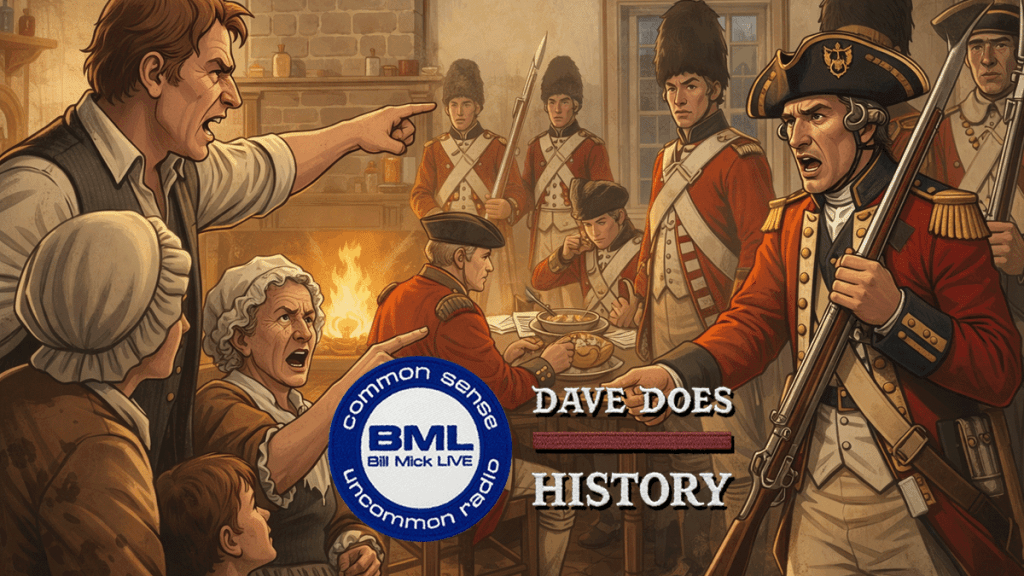
 DAVE DOES HISTORY
Leave a comment