
 On November 16, 1907, Oklahoma officially became the 46th state in the Union, bringing together the Oklahoma and Indian Territories into one proud state. In this episode, we dive into the rich history of these two distinct regions, the leaders who fought for statehood, and the struggles and compromises that shaped the new state’s identity.
We’ll explore the Land Run of 1889, the Native American push for the State of Sequoyah, and the federal decision to merge the territories. Hear how Oklahoma’s unique blend of settler and Native American cultures led to both celebration and challenge, and how the state forged its identity through hard work, resilience, and pride. Join us for a story as big as the plains and as bold as the people who call it home!
Well, folks, gather ’round for a bit of history—a tale that’s as big and bold as the open plains. We’re talkin’ about the birth of the great state of Oklahoma on November 16, 1907. Now, that date might not be circled on everyone’s calendar, but if you’re from Oklahoma, it’s got a special ring to it. This story isn’t just about lines on a map. Nope, it’s about two territories, two distinct peoples, and one big push to become a state.
Let’s rewind a bit. Before it was Oklahoma, you had two separate territories: Oklahoma Territory and Indian Territory. Oklahoma Territory—well, that was mostly open land, and thanks to the big Land Run of 1889, folks raced to settle it. It was an event, people, with settlers lined up, staking out their claims, planting roots. They were hungry for opportunity, and they took to that land with a will, taming it, shaping it into towns, farms, and families.
Then you had Indian Territory, and that was a whole different ballgame. This wasn’t just any ol’ place; it was land promised to Native American tribes way back in the 1830s. The government forced tribes like the Cherokee, Choctaw, Creek, and others to move there. These folks had built up communities, laws, schools—you name it. They had their own governments, too. But as the years went on, more and more settlers kept pushing in. The pressure to change was growing by the day.
Now, a state doesn’t just pop up outta nowhere. No, sir. It takes leaders, and Oklahoma Territory had folks like Charles N. Haskell, a man who was all business about turning this place into a state. In Indian Territory, leaders like Green McCurtain, who was Choctaw, wanted to keep their rights and identity. They didn’t want to lose their heritage in some merger.
In fact, the tribes had their own big idea. They figured, “Why not make our own state?” They wanted to call it the State of Sequoyah. Even drew up a constitution. They were serious. But Washington had other ideas, and the federal government pushed for joint statehood, a single state with two territories combined.
So why’d they end up combining these two? Well, the government folks in D.C. didn’t want two separate states. They figured it’d be a mess to have two states where they could have one. They looked at the economics, the logistics, and thought it’d be smoother if Oklahoma and Indian Territory were one. The leaders in both territories finally saw the writing on the wall. They’d get more done together than apart.
But let’s not sugarcoat it—this wasn’t an easy choice. Indian Territory had concerns. Their people didn’t want to just be lumped in and lose what they’d built, lose their sovereignty. But the state’s constitution promised protections and laid the groundwork for a unique relationship, where Native American culture was recognized, at least in words. It was a merging of cultures, but as you’ll see, not without its frictions and challenges.
November 16, 1907, finally rolls around, and bam! Oklahoma’s officially the 46th state in the Union. And let me tell you, they celebrated. Guthrie, which became the first state capital, was alive with cheers, parades, and speeches. People poured into the streets. Flags waving, bands playing—it was one big party. There were even traditional Native American dances, showing respect for the roots of the place. It was a moment where two territories, with all their differences, came together in one big, proud, Okie family.
Now, what came after is a story in itself. Oklahoma grew up fast. Oil, agriculture, and good old hard work turned the state into a powerhouse. But that union of Native and settler cultures? It wasn’t all smooth. There were battles over land, rights, identity—a push and pull that’s still felt today.
Today, Oklahoma stands proud with its unique legacy. It’s a place that remembers its roots—settler spirit on one hand, Native American heritage on the other. And that’s something to be proud of, folks. It’s not just the story of a state; it’s the story of resilience, culture, and compromise. Oklahoma didn’t have it easy, but it’s built on hard work and a belief in better days.
And that, friends, is the tale of Oklahoma statehood. Two territories, one state, and a legacy as big as the plains themselves. So next time you see that Oklahoma state flag waving, remember it’s not just a symbol—it’s a story. And it’s where my own story begins…



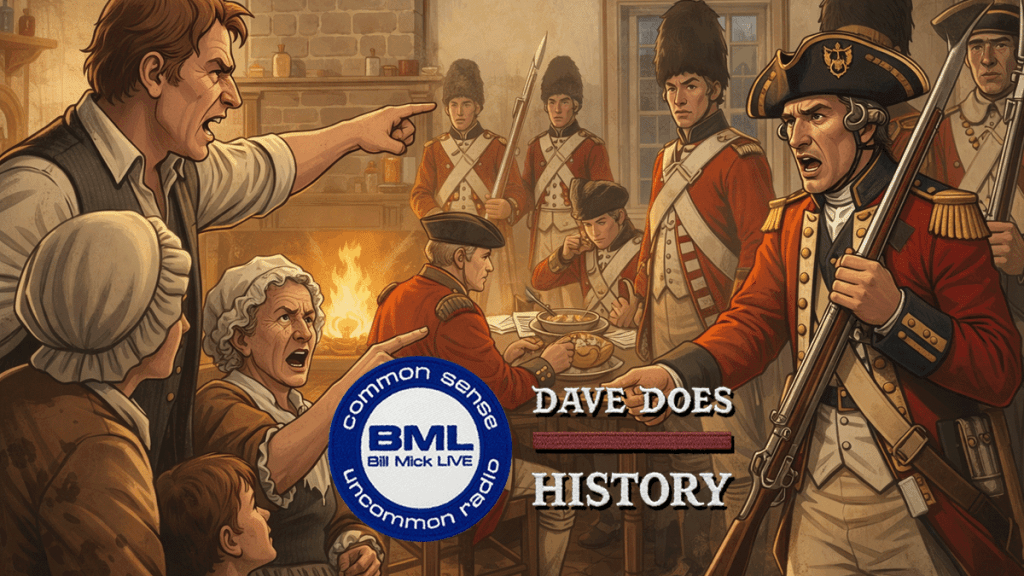
 DAVE DOES HISTORY
Leave a comment