
 On November 1, 1872. Susan B. Anthony, a fierce advocate for women’s rights, walked into a polling station in Rochester, New York, and cast a ballot—an act that would lead to her arrest, a high-profile trial, and a bold stand on her right to vote as a U.S. citizen. Today, we’re looking at what motivated Anthony to vote, the events of that day, her trial, and the legacy her actions left behind.
By the time of the 1872 election, Susan B. Anthony was well-known for her decades of work advocating for abolition, temperance, and especially women’s rights. In her view, recent changes in the Constitution, namely the 14th and 15th Amendments, granted women the right to vote. These amendments, intended to extend citizenship and voting rights, mainly applied to African American men. But Anthony believed that if citizenship meant equality, it applied to women just as much as to men.
With this legal reasoning, Anthony encouraged other women to join her in testing the boundaries of these new laws by voting. Her act wasn’t a whim; it was a calculated challenge. She intended to expose the injustice of denying women the right to vote and force the nation to confront it head-on. On the morning of November 1, 1872, she and fourteen other women went to the polls to exercise their rights as Americans.
Arriving at the polling station, Anthony and the other women knew they were about to make history. The air was tense as the women approached the officials in charge. Voting was, by law, reserved exclusively for men, and the officials hesitated when faced with these determined women. There was debate, some back-and-forth about legality and potential consequences. But in the end, the officials allowed Anthony to cast her vote. This act of defiance highlighted her courage in the face of a system designed to deny her basic rights. It was an act that would bring immediate attention—and swift consequences.
Just days after casting her ballot, Anthony was arrested at her home by a U.S. Marshal and charged with voting illegally. News of her arrest spread quickly, drawing public interest across the country. Her trial became a national sensation, and the judge overseeing it was determined to make an example of her. He refused to let her testify, already prepared with a guilty verdict before the trial even began. Despite the clear bias, Anthony stood firm. When the judge sentenced her to pay a $100 fine, she famously replied, “I shall never pay a dollar of your unjust penalty.” And she never did.
“I shall never pay a dollar of your unjust penalty” – Susan B. Anthony
Instead, Anthony seized the moment to deliver one of her most famous speeches, “Is It a Crime for a U.S. Citizen to Vote?” Her words were a call to action, and they resonated with women across the country who were beginning to recognize the need for change.
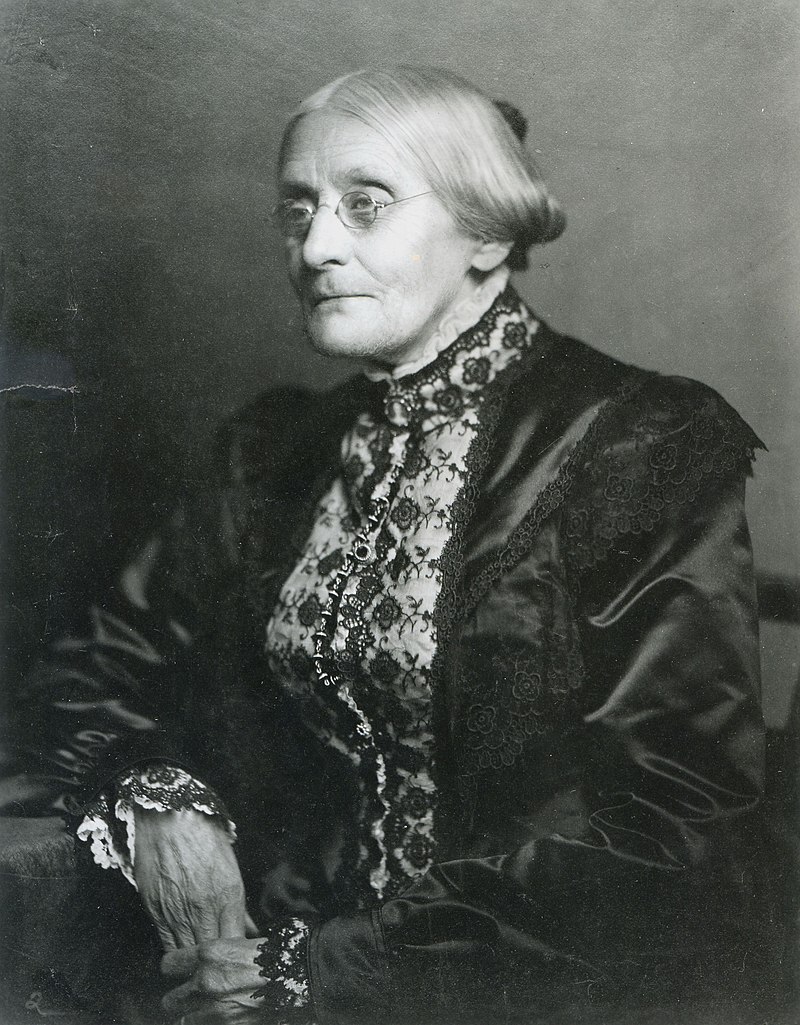
Anthony’s illegal vote and the ensuing trial galvanized the women’s suffrage movement. Her act of defiance didn’t change the law immediately, but it exposed the injustice of denying women the vote. Her boldness became a symbol, inspiring a wave of activism that would grow for decades. Though it would take nearly fifty more years, her efforts ultimately laid the groundwork for the 19th Amendment, which granted women the right to vote in 1920. Anthony’s illegal vote is remembered as a turning point in American history and serves as a reminder that sometimes, challenging the law is the only way to bring about real change.
Susan B. Anthony’s vote wasn’t just a personal act of rebellion—it was a declaration of her belief in equal rights for all American citizens. In breaking the law, she exposed its flaws and set in motion a movement that would change history. Anthony’s courage in 1872 reminds us that sometimes, a single act of defiance can resonate for generations.



 DAVE DOES HISTORY
Leave a comment