
Gaius Julius Caesar Augustus Germanicus, known more infamously as Caligula, has been a figure shrouded in both grandiosity and notoriety throughout history. His reign as Roman emperor from AD 37-41 was marked by a series of eccentric and often despotic acts that have painted a picture of a mad tyrant in the annals of history. However, understanding the real Caligula involves delving into the complexities of his life and rule, separating fact from the sensationalism often portrayed in popular media, such as the 1979 film “Caligula.”
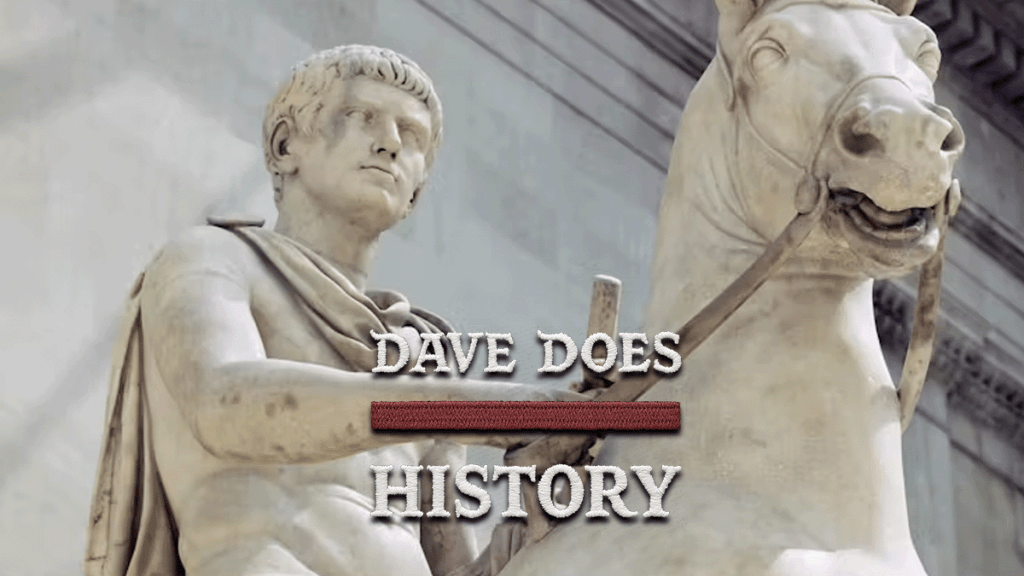
Born on August 31, AD 12, Caligula was the third son of the popular Roman general Germanicus and Agrippina the Elder, granddaughter of Augustus. His early years were spent among Roman legions where his father campaigned, and he was affectionately nicknamed “Caligula” (meaning “little boot”) by the soldiers. After the premature death of Germanicus, possibly by poisoning, Caligula’s life took a perilous turn. His mother and two brothers were prominent victims of the political purges during the reign of Tiberius, leaving young Caligula and his sisters to navigate the treacherous waters of imperial politics.
Upon the death of Tiberius in AD 37, Caligula ascended to the throne amid widespread acclaim. Initially, his rule was marked by acts of generosity; he granted bonuses to the military, eliminated unfair taxes, and staged lavish public spectacles. However, the good times did not last long. The latter part of Caligula’s reign was dominated by personal and political crises. The death of his beloved sister Drusilla, his own serious illness, and financial troubles deeply affected him. His subsequent actions, including claims of divinity, extravagant construction projects, and erratic leadership, led to growing discontent among the elite and the military.
Caligula’s administration was also noted for its direct challenges to Roman senatorial authority, which included humiliating senators by making them run for miles in front of his chariot. His rumored personal debaucheries and claims that he planned to make his horse, Incitatus, a consul, further fueled his infamous reputation. By AD 41, a conspiracy among his own guards led to his brutal assassination, ending his reign after just four tumultuous years.
The portrayal of Caligula in the eponymous 1979 film deviates significantly from historical accounts, though it captures the essence of his alleged madness. The film, which is filled with explicit scenes of sex and violence, amplifies the most salacious aspects of Caligula’s life to a grotesque extent. It draws heavily on the works of ancient historians like Suetonius and Cassius Dio, who themselves are considered to be somewhat biased and sensationalist in their accounts of Caligula’s reign.
Modern historians argue that many of the extreme depictions of Caligula’s behavior could have been exaggerated or even fabricated by these ancient sources. It’s essential to consider the political motivations behind such portrayals, as many historians of the time were aligned with senatorial elites who had been humiliated and threatened by Caligula’s direct governing style and claims of godhood.
Moreover, the realities of political and economic governance often paint a different picture of Caligula’s rule. Despite his reputed madness, there were considerable administrative, military, and infrastructural developments during his short reign. The film largely ignores these aspects, focusing instead on the sensational, which serves the purpose of entertainment rather than historical accuracy.
In re-examining the life of Caligula, it becomes clear that while he was undoubtedly a complex and controversial figure, much of his “madness” as portrayed in the media like the 1979 film, could very well be the result of political bias and the passage of time distorting the true essence of his rule. As with many historical figures, the truth about Caligula is multifaceted and lies somewhere between the extremes of a misunderstood emperor and a mad despot. Understanding his reign in the context of Roman history is key to separating the man from the myth.


 DAVE DOES HISTORY
Leave a comment