
On August 3, 1492, Christopher Columbus set sail on a voyage that would change the course of history. Departing from the port of Palos de la Frontera in Spain, Columbus embarked on a journey across the Atlantic that ultimately led to the European discovery of the Americas. This momentous event marked the beginning of an era of exploration, conquest, and profound global transformation.

Christopher Columbus, an ambitious mariner from Genoa, had long been captivated by the idea of finding a westward route to Asia. With a background in navigation and extensive maritime experience, Columbus was convinced that he could reach the rich markets of the East by sailing westward. Despite his determination, Columbus faced numerous rejections from European courts, including that of Portugal, which dismissed his proposal as impractical.
Undeterred, Columbus turned to the Spanish monarchy. His persistence and conviction eventually paid off when he secured an audience with King Ferdinand and Queen Isabella of Spain. At a time when Spain was emerging as a powerful nation-state eager to expand its influence and wealth, Columbus’ proposal resonated with the monarchs’ ambitions.
The late 15th century was a period of both financial strain and opportunity for Spain. Having recently completed the Reconquista, the Spanish Crown was seeking new avenues for wealth and influence. Columbus’ proposal offered the prospect of opening up new trade routes and spreading Christianity to uncharted lands.
King Ferdinand and Queen Isabella agreed to finance Columbus’ voyage, but not without hesitation. The terms of their agreement, known as the Capitulations of Santa Fe, granted Columbus substantial rewards, including the titles of Admiral of the Ocean Sea and Governor of any lands he discovered. Additionally, he was promised a share of the profits from the expedition. Funding also came from other sources, including contributions from merchants and private investors, highlighting the collaborative nature of this historic venture.
Columbus’ relationship with the Spanish monarchy was complex and strategic. For King Ferdinand and Queen Isabella, supporting Columbus’ voyage was not merely an investment in exploration but a calculated move to enhance Spain’s geopolitical standing. By endorsing Columbus, they aimed to challenge Portugal’s dominance in maritime exploration and assert Spain’s influence on the global stage.
The Spanish Crown’s motivations were multifaceted: they sought new trade routes to access the wealth of Asia, aimed to spread Christianity, and desired to establish Spanish colonies. Columbus’ ambitious vision aligned with these goals, making the partnership mutually beneficial. The promises of titles and rewards reflected the monarchy’s recognition of the potential significance of the expedition.
Columbus’ fleet consisted of three ships: the Niña, the Pinta, and the Santa María. Each ship played a crucial role in the expedition. The Santa María, the largest of the three, served as Columbus’ flagship. The Niña and the Pinta, smaller caravels, were known for their speed and maneuverability.
The crews of these ships were a diverse group of sailors, many of whom were experienced mariners from Andalusia. Recruitment for the voyage was challenging, given the uncertainties and risks involved. However, Columbus managed to assemble a crew of about 90 men, including skilled navigators, craftsmen, and even a few adventurers eager for the promise of wealth and discovery.
Preparing the ships for the long journey involved meticulous planning and provisioning. Supplies included food, water, navigational instruments, and trade goods. The readiness of the fleet was a testament to the thorough preparations undertaken to ensure the success of the voyage.
The departure from Palos de la Frontera on August 3, 1492, was a moment filled with anticipation and uncertainty. As the ships set sail, Columbus and his crew faced the vast, uncharted expanse of the Atlantic Ocean. The initial days of the voyage were marked by a mix of excitement and anxiety. Columbus’ leadership and navigational expertise were crucial in maintaining the morale and discipline of his crew.
Early challenges included navigating through the unpredictable weather and currents of the Atlantic. Despite these obstacles, Columbus remained resolute in his mission. His logbooks and letters reflect his unwavering belief in the existence of a westward route to Asia, which sustained him and his crew through the arduous journey.
The voyage of 1492 would ultimately lead to the European discovery of the New World, forever altering the course of history. Although Columbus did not reach Asia as he had intended, his expedition opened up the Americas to European exploration and colonization. This monumental achievement had immediate and long-term impacts on global trade, geopolitics, and cultural exchanges.
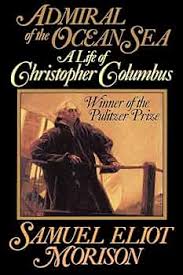
Columbus’ legacy is a complex one, marked by both his navigational prowess and the controversies surrounding his interactions with indigenous peoples. Nevertheless, the first voyage stands as a pivotal moment in the history of exploration, symbolizing the dawn of a new era of global interconnectedness.
The departure of Columbus on August 3, 1492, was a bold and transformative event. With the support of the Spanish monarchy, the courage of his crew, and his own unwavering determination, Columbus embarked on a journey that reshaped the world. The significance of this voyage lies not only in the discovery of new lands but also in the profound and lasting impact it had on the course of human history. As we reflect on this historic departure, we recognize the beginning of an era that would forever change the way we understand our world and our place in it.



 DAVE DOES HISTORY
Leave a comment