
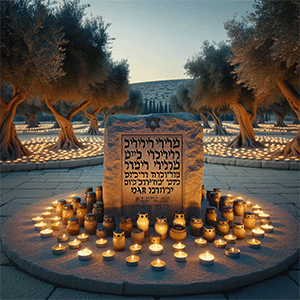
 The Kfar Etzion massacre on May 13, 1948, remains a poignant and tragic episode in the history of the Israeli-Palestinian conflict, occurring on the eve of the Israeli Declaration of Independence. This event not only influenced the political landscape of the region but also left an indelible mark on the collective memories and narratives of both Israelis and Palestinians.
Kfar Etzion was one of four kibbutzim established during the 1940s in the Etzion Bloc, situated between Jerusalem and Hebron. These settlements were established primarily by religious Zionists, who believed in the importance of settling in these strategic areas. As tensions escalated between Jewish and Arab communities following the United Nations Partition Plan for Palestine in 1947, these settlements became focal points of conflict due to their isolated location and symbolic significance.
The Arab Legion, then under the command of British officers and considered the most effective Arab force in the region, played a crucial role in the events leading to the massacre. Initially, the Legion was not officially involved in attacks against the Jewish settlements, as its mandate was to secure Jordanian interests. However, as hostilities intensified, the Legion’s involvement increased. On May 13, 1948, they surrounded Kfar Etzion, having already engaged in several battles against the Jewish forces in the area.
The siege of Kfar Etzion by the Arab Legion and local Palestinian fighters culminated in a desperate and bloody encounter. The defenders, comprising members of the Haganah and local settlers, were heavily outnumbered and outgunned. After intense fighting, the kibbutz fell. Following the surrender, a massacre ensued in which about 120 Jewish residents were killed. Reports from survivors indicated that the majority were killed after they had surrendered, though accounts vary regarding the circumstances and the Arab Legion’s control over local fighters.
The fall of Kfar Etzion sent shockwaves through the Jewish community, significantly impacting morale and the military strategies of the nascent Israeli state. It underscored the vulnerability of Jewish settlements isolated from the main centers of Jewish population. The massacre also hardened attitudes on both sides, contributing to the subsequent cycles of violence and retribution that characterized the Israeli-Arab conflict.
The victims of the massacre were initially left in mass graves near the site of their death. It was not until a year later, following the armistice agreements, that the bodies were exhumed and properly buried. This act of reburial was also a moment of reflection and mourning for the broader Israeli society, which by then had witnessed the establishment of the state and endured the first Arab-Israeli war.
The legacy of the Kfar Etzion massacre is complex and multifaceted. It has been commemorated in Israel as a symbol of Jewish sacrifice and heroism. Memorials and educational programs ensure that the events are remembered and the victims honored. Conversely, the narrative surrounding Kfar Etzion and similar incidents are viewed through a different lens in the Palestinian narrative, often seen as part of the broader tragedy that befell the Palestinian people in 1948.
The reestablishment of Kfar Etzion after the Six-Day War in 1967 was seen by many Israelis as a rectification of past injustices, further complicating the ongoing conflict over land and national identity.
The massacre serves as a stark reminder of the profound human costs of conflict and the enduring impact of historical events on present-day realities.


 DAVE DOES HISTORY
Leave a comment