

The National Park Service has announced that it is seeking public input on changes it wishes to make to “rehabilitate” Welcome Park…
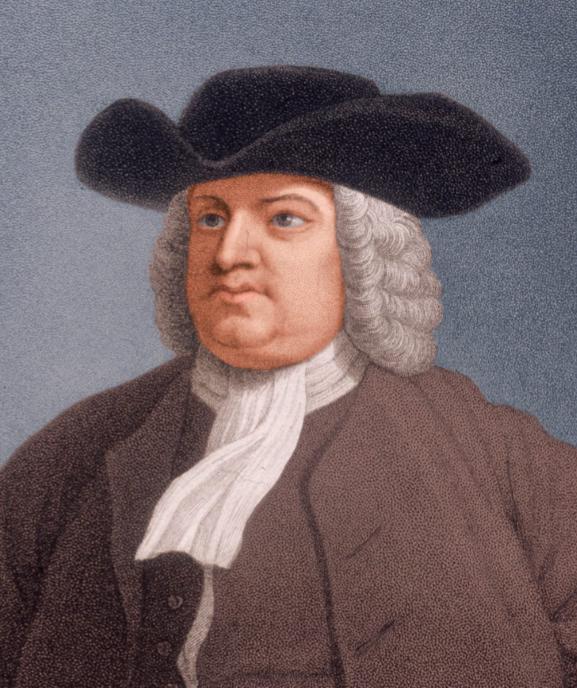
William Penn, a name etched into the foundational history of the United States, remains a figure of monumental importance and intrigue. Born into a period rife with religious and political upheaval, Penn’s life journey from an English gentleman to the founder of Pennsylvania embodies a relentless pursuit of religious freedom and societal reform. As a devout Quaker, his progressive visions of governance, equality, and brotherly love didn’t just shape the contours of the American dream but also laid the groundwork for modern democracy.
William Penn’s life and the founding of Pennsylvania are inextricably linked to his deep Quaker beliefs, a set of principles that not only guided his personal life but also the governance and societal structure of the colony he established. Quakerism, or the Religious Society of Friends, was a Christian movement that emerged in the mid-17th century, emphasizing direct personal experience of God rather than through clergy or sacraments. Its tenets of pacifism, equality, integrity, and simplicity profoundly influenced Penn’s vision for his new colony.
At the core of Quaker belief is the concept of the “Inner Light,” a divine presence inherent in every individual, leading them towards truth and righteousness. This belief fundamentally shaped Penn’s democratic and egalitarian views. He saw no need for a state church or for religious coercion, advocating instead for religious freedom and tolerance. This was a radical departure from the norm in an era of religious persecution and conflict, reflecting his commitment to a society where all could worship freely.
Quakerism’s emphasis on equality and integrity also played a significant role in Penn’s fair and unusually peaceful dealings with the indigenous peoples of Pennsylvania. Unlike many colonial leaders of his time, Penn recognized the humanity and rights of Native Americans and sought their friendship and consent in the settlement of their lands. He entered several treaties with them, most famously the 1682 Treaty of Shackamaxon under the renowned elm tree in what is now Philadelphia. These treaties were remarkable for their fair terms and the genuine respect they showed for the natives’ rights and sovereignty.
The Quaker belief in equality extended to Penn’s views on governance. He instituted a form of government in Pennsylvania that, while still hierarchical, allowed for a greater degree of democratic participation than was common at the time. His Frame of Government included provisions for an elected assembly and guaranteed freedom of conscience. These principles would later influence the development of the American political system.
Penn’s commitment to peace, another cornerstone of Quakerism, was evident in his dealings both in Europe and in the New World. He envisioned Pennsylvania as a “Holy Experiment,” a place where a society based on brotherly love could thrive without the religious warfare that scarred Europe. His strict adherence to pacifism dictated not only his personal life, avoiding any form of violence, but also the early character of Pennsylvania, which was notably more peaceful and prosperous than many of its neighboring colonies.
Penn’s Quaker beliefs deeply influenced every aspect of his life and the colony of Pennsylvania. His advocacy for religious freedom, fair treatment of indigenous peoples, democratic governance, and commitment to peace and equality were all manifestations of the Quaker tenets of the Inner Light, integrity, and universal brotherhood. These principles not only shaped the early years of Pennsylvania but also left a lasting legacy on the American ethos, promoting values of tolerance, peace, and democracy that continue to be cherished today.
William Penn’s journey from a distinguished English gentleman to the founder of Pennsylvania is a tale of spiritual awakening, religious conviction, and unyielding courage. Born on October 24 (OS)1644, into a wealthy Anglican family in London, Penn’s early life was set against a backdrop of major political and religious upheaval. His father, Admiral Sir William Penn, was an influential naval officer, ensuring that young William was well-positioned in society with all the privileges of the English gentry. However, the rigid class structures and religious intolerance of the time soon clashed with the deeply personal and egalitarian beliefs that would come to define him.

Penn’s education began at the Chigwell School in Essex, where he first encountered the religious turmoil that gripped England. The nation was in the midst of the English Civil War, a conflict that stemmed from a power struggle between the monarchy and Parliament, as well as deep-seated religious divisions. These early experiences with sectarian conflict and the suffering it caused left a lasting impression on Penn, shaping his fervent desire for religious tolerance and peace.
Despite his father’s desire for him to pursue a career in law or diplomacy, Penn’s time studying at Oxford University further exposed him to various religious ideas and deepened his spiritual unrest. It was during these formative years that he first met the Quaker movement. Founded by George Fox, the Religious Society of Friends, or Quakers, preached an egalitarian doctrine that emphasized a personal, direct relationship with God, accessible to all through an “Inner Light.” This radical belief, along with their refusal to swear oaths, pay tithes, or participate in war, placed Quakers in direct conflict with the prevailing Anglican orthodoxy.
Penn’s conversion to Quakerism in the 1660s marked a definitive turning point in his life. The decision estranged him from his family and brought significant personal hardship, including several imprisonments due to his relentless advocacy for religious freedom and his refusal to adhere to the Church of England’s mandates. Despite the personal cost, his commitment to Quaker beliefs only strengthened, and he became a vocal and prolific writer, spreading the Quaker message of peace, equality, and religious liberty. His works, such as “No Cross, No Crown,” were influential in disseminating Quaker thought and defending the rights of all to freedom of conscience.
Penn’s unwavering dedication to his faith and the Quaker cause significantly impacted his life. It not only defined his personal and spiritual journey but also laid the foundation for his vision of Pennsylvania. Seeking a sanctuary for persecuted Quakers and other religious minorities, he obtained a land charter from King Charles II, which became the basis for the establishment of Pennsylvania. This colony would serve as a “Holy Experiment,” a place where religious freedom, peaceful coexistence, and democratic governance could flourish.
The story of William Penn is one of profound spiritual evolution and steadfast commitment to principles of religious tolerance and equality. His birth and upbringing in a tumultuous England, his education amidst religious and political strife, and ultimately his conversion to Quakerism, profoundly shaped his worldview and legacy. Through his struggles and advocacy, Penn not only impacted his contemporary society but also left an enduring legacy on religious freedom and governance that resonates in modern times.
William Penn’s transformation from a member of the English gentry to a devout Quaker set him on a collision course with the religious and political establishment of his time, leading to a life marked by persecution, advocacy, and profound influence. His experiences as a Quaker in 17th-century England, a period rife with religious intolerance, shaped his enduring legacy as a champion of religious freedom and tolerance.
Penn’s conversion to Quakerism in the 1660s brought immediate personal consequences, given the sect’s radical beliefs and practices, which were seen as a direct challenge to the Anglican Church’s authority and the social order of the time. Quakers’ refusal to pay tithes, take oaths, or remove hats in court, along with their pacifism and egalitarian meetings, led to widespread persecution. Penn himself was arrested several times for his beliefs and for preaching Quaker doctrine. His most famous imprisonment was in the Tower of London in 1668, where he wrote “No Cross, No Crown,” a powerful defense of religious freedom and an indictment of the religious persecution of his time.
Despite facing personal risk, Penn used his education, eloquence, and social standing to become one of the most vocal advocates for religious tolerance. He argued that true Christianity required the freedom to worship according to one’s conscience. His legal battles also contributed significantly to the future of religious freedom; notably, the trial following his 1670 arrest for preaching led to a jury’s historic decision upholding the right to religious assembly. The case became a landmark in the development of the right to a fair trial and the independence of juries.

Penn’s advocacy went beyond the courtroom and the prison cell. He engaged in vigorous pamphleteering, using his writings to argue for religious tolerance and Quaker rights. His works, including “The Great Case of Liberty of Conscience” (1670) and “A Letter to the Committee of the Free Society of Traders” (1683), articulated a vision of a society based on religious freedom and peaceful, ethical conduct. Through his writings, Penn reached a wider audience, spreading Quaker messages of equality, peace, and ethical living, and influencing public opinion and policy.
Perhaps the most significant of Penn’s public actions was the founding of Pennsylvania. Granted a charter by King Charles II partly to settle a debt owed to his father, Penn saw the opportunity to establish a colony based on his Quaker principles. He envisioned it as a “Holy Experiment” — a place where religious freedom was enshrined, and people of different faiths could live together peacefully. The colony’s Frame of Government guaranteed liberty of conscience and created a relatively democratic political system for its time. Pennsylvania became a refuge for Quakers and other persecuted religious groups, notably becoming one of the most diverse and tolerant of the American colonies.
Penn’s dealings with the indigenous peoples of the region also reflected his Quaker belief in equality and fair treatment. He sought to purchase land fairly and enter into treaties with the Native Americans, notably the Treaty of Shackamaxon. While not free from all the complexities and conflicts of colonialism, these efforts were notably more equitable and peaceful than the norm for European colonialists of the period.
The founding of Pennsylvania stands as a remarkable chapter in the colonial history of America, driven by the vision and religious convictions of William Penn. Penn’s quest for a haven of religious freedom and peaceful coexistence led to the establishment of a colony that would embody his Quaker ideals and leave a lasting imprint on the American ethos. The story of Pennsylvania’s founding is one of royal charters, utopian experiments, and innovative governance, all set against the backdrop of the expansive American wilderness.
The inception of Pennsylvania began with a royal charter granted by King Charles II of England in 1681. The charter was partly a political maneuver to settle a debt owed to Penn’s father, Admiral Sir William Penn, but for William Penn, it represented a providential opportunity to realize his vision of a society governed by his Quaker principles. The charter gave Penn almost absolute power over the territory, including the rights to establish a government and create laws, subject to the approval of the English crown. Importantly, it allowed Penn to ensure the protection of religious freedom within the colony, a revolutionary concept at the time. This charter was significant not only for the autonomy it granted but also for the precedent it set for self-governance and religious liberty in the New World.

With the charter secured, Penn set about establishing Pennsylvania as a “Holy Experiment.” This experiment was to be a model society based on religious tolerance, peaceful relations with Native Americans, and a democratic government. Penn envisioned it as a place where people of different faiths could live together without fear of persecution, a stark contrast to the religious strife and intolerance pervasive in Europe. He actively advertised across Europe, inviting persecuted religious minorities, including Quakers, Mennonites, Amish, and others, to join his colony. His policies were groundbreaking, offering freedom of worship and assembly and establishing a haven for those fleeing religious persecution. The colony’s success as a diverse and thriving settlement proved that coexistence and mutual respect among different faiths were not only possible but beneficial.
The physical and political design of Pennsylvania, especially its capital, Philadelphia, reflected Penn’s visionary leadership and Quaker principles. Philadelphia was planned with a grid layout, wide streets, and public squares, promoting cleanliness and community. It was a radical departure from the congested and haphazard cities of Europe, embodying ideals of order and harmony. Furthermore, Penn’s Frame of Government for Pennsylvania laid the foundations for a democratic society. It provided for an elected assembly and safeguarded liberties unheard of at the time, including freedom of religion and fair trials. The Frame of Government’s emphasis on checks and balances, elections, and amendments was innovative and would later influence the American Constitution.
In designing Pennsylvania, Penn also sought a peaceful and just relationship with the indigenous peoples, negotiating treaties that, unlike many of his contemporaries, were based on mutual respect and fair dealing. His approach was not without its flaws and complexities inherent in colonial expansion, but it was notably more equitable and humane than the norm for European settlers of the period.
The founding of Pennsylvania was a monumental achievement that reflected the era’s complex interplay of politics, religion, and ambition. The royal charter from King Charles II allowed William Penn to create a society that stood as a beacon of religious freedom and democratic governance. The “Holy Experiment” of Pennsylvania demonstrated the practicality and benefits of religious tolerance and inclusive governance. The planning of Philadelphia and the establishment of the Frame of Government laid a foundation for American urban planning and political thought. Through these endeavors, Penn not only provided a refuge for persecuted individuals but also contributed to the ideals of liberty, democracy, and tolerance that are cornerstones of American identity today.
Penn’s governance of Pennsylvania was characterized by its democratic principles and progressive stance, especially compared to other colonies of the time. Drawing from his Quaker convictions of equality and justice, he implemented a government that, while still retaining some traditional elements of British rule, offered an unprecedented level of democratic participation. His Frame of Government allowed for a representative assembly elected by the freemen of the colony, providing a voice to the governed in a manner rarely seen in the 17th century. This assembly had the power to enact laws and approve taxes, placing real power in the hands of the colonists. Penn’s leadership style was consultative and inclusive, reflecting his desire for a fair and peaceful society where all had a stake in the governance.

Central to Penn’s tenure was his relationship with the Native Americans, particularly the Lenape (Delaware) people. Unlike many colonial leaders who viewed indigenous peoples as obstacles to European settlement, Penn recognized them as the rightful inhabitants of the land and sought a relationship based on respect and fairness. The “Great Treaty” of Shackamaxon, famously depicted as a meeting under an elm tree, was emblematic of Penn’s approach. While the exact details of the treaty are not documented, it is celebrated for symbolizing the spirit of friendship and fair dealing that Penn extended to the Native Americans. This treaty, along with other agreements Penn made, ensured relatively peaceful relations and cooperation between the settlers and the indigenous peoples, a stark contrast to the conflicts that characterized much of European-Native American relations elsewhere.
The social, cultural, and economic development of Pennsylvania under Penn’s guidance reflected the colony’s unique character. Socially and culturally, Pennsylvania became a melting pot of European and indigenous peoples. Penn’s policy of religious tolerance attracted a diverse group of settlers, including Quakers, Mennonites, Amish, Catholics, Jews, and others, each contributing their customs, languages, and traditions to the colony. This diversity fostered a rich cultural tapestry and a spirit of mutual respect and cooperation.
Economically, Pennsylvania prospered under Penn’s leadership. Its capital, Philadelphia, quickly grew into one of America’s largest and most prosperous cities. The colony’s fertile land and fair policies attracted a steady stream of settlers, bolstering its agriculture and trade. Pennsylvania’s economy was further boosted by its good relations with Native Americans, who became important trading partners and allies. The colony’s emphasis on fair dealing, economic freedom, and diversified labor created a robust economy that outpaced many of its colonial counterparts.

Penn’s time in Pennsylvania was a period of progressive governance, peaceful coexistence, and burgeoning growth. His democratic principles and inclusive policies established a framework for a society that valued freedom, fairness, and community. His fair and respectful treatment of Native Americans set a commendable, albeit not flawless, example for colonial relations. The social, cultural, and economic vitality of Pennsylvania under Penn’s stewardship became a testament to the possibilities of a society built on the ideals of tolerance, peace, and prosperity. Penn’s legacy in Pennsylvania remains a powerful narrative of how visionary leadership and steadfast principles can shape the destiny of a community.
In the latter part of his life, Penn returned to England to deal with business matters and to continue his advocacy for Quakerism and religious tolerance. His time back in England was occupied with defending the colony’s interests against political maneuverings and ensuring its continued autonomy and adherence to the principles he had laid out. Despite being far from Pennsylvania, he remained actively involved in its affairs, corresponding regularly with the colonial administration, and advocating for its interests at the English court. Penn’s dedication to religious freedom continued unabated during his time in England, as he lobbied for the rights of Quakers and other religious minorities, facing the challenges of a changing political landscape.
However, Penn’s later years were also marred by personal and financial troubles. Mismanagement and fraud by his agents in Pennsylvania, along with costly litigation in England, drained his finances. The political turmoil of the time, including the ascension of King James II and the subsequent Glorious Revolution, further complicated his efforts to secure his and Pennsylvania’s interests. His financial woes were compounded by the costs associated with maintaining his family and his ongoing philanthropic and religious contributions. Despite these challenges, Penn continued to work tirelessly for the colony and his beliefs, although it took a toll on his health and personal life.
William Penn passed away in 1718 in Berkshire, England, after a series of strokes that left him incapacitated in his final years. His death marked the end of a life devoted to the pursuit of religious freedom, peace, and justice. His impact, however, would endure far beyond his mortal years. Penn’s legacy is most palpable in the United States, where his founding of Pennsylvania laid early groundwork for American democracy and religious liberty. His Frame of Government for Pennsylvania, with its emphasis on representative government and freedom of conscience, foreshadowed elements of the U.S. Constitution. The colony’s successful “Holy Experiment” in religious and ethnic pluralism set a standard for the emerging nation.
Moreover, Penn’s dealings with the Native Americans, while not free from the complexities and moral ambiguities of colonialism, represented a relatively fair and humane approach compared to the often-brutal history of European and indigenous relations. His vision of a peaceful coexistence and fair trade with Native Americans, though not fully realized, offered a glimpse of a more equitable path in American history.

William Penn’s later years were a mix of persistent advocacy, personal hardship, and enduring influence. Despite facing significant financial and personal difficulties, he remained committed to his ideals until the end of his life. His legacy continues to resonate in American values of religious freedom, democratic governance, and social tolerance. Penn’s life and work remind us of the power of principled leadership and the lasting impact of visionary ideas, laying moral and political foundations that continue to shape the American ethos.



 DAVE DOES HISTORY
Leave a comment