
As 1776 waned, the American Revolutionary War was not going well for the Continental Army. After a series of defeats, George Washington’s troops had been pushed across New Jersey and into Pennsylvania, leaving British and Hessian forces in control of much of the territory. The British command, led by General Howe, settled into winter quarters, considering the active campaign season over. The morale of the American public and its army was at an ebb, with enlistments about to expire and the cause of independence in doubt.
The Continental Army was in a dire state. Its numbers had dwindled through battle casualties, desertions, and expiring enlistments. The troops were poorly equipped, lacking in necessary provisions and adequate clothing for the winter. Morale was low, and the future of the army was uncertain. It was against this backdrop of desperation that George Washington saw an opportunity to invigorate the American cause.
At this critical juncture, Thomas Paine published “The American Crisis,” a series of pamphlets meant to inspire the colonists. The opening lines, “These are the times that try men’s souls,” became a rallying cry. Paine’s eloquent and fiery rhetoric rekindled the revolutionary spirit, reinforcing the resolve of the troops and citizens alike. The pamphlet circulated widely, bolstering morale and reminding the Continental Army and supporters of the justness of their cause.
Washington knew that a bold action was necessary to revive the revolutionary cause and planned a surprise attack on the Hessian garrison in Trenton, New Jersey. The plan called for crossing the Delaware River undetected and launching a pre-dawn assault. Coordination was set for three separate columns to cross the river, with Washington leading the main attack. The element of surprise was crucial, as the Hessian troops were known for their discipline and combat effectiveness.
The operation required stealth and careful planning. The army gathered Durham boats, large, sturdy vessels typically used to transport iron, to ferry the troops and artillery across the icy Delaware River. These boats were well-suited for the task, capable of holding large numbers of men and equipment while being robust enough to handle the river’s ice-choked waters.
On the night of December 25, 1776, amidst an ice storm, Washington’s forces began the perilous crossing. The conditions were harsh, with ice floes threatening the boats and frigid waters posing a deadly risk. Despite the severe weather and the challenge of moving men, horses, and cannons, the army successfully crossed, regrouped on the New Jersey side, and marched toward Trenton.
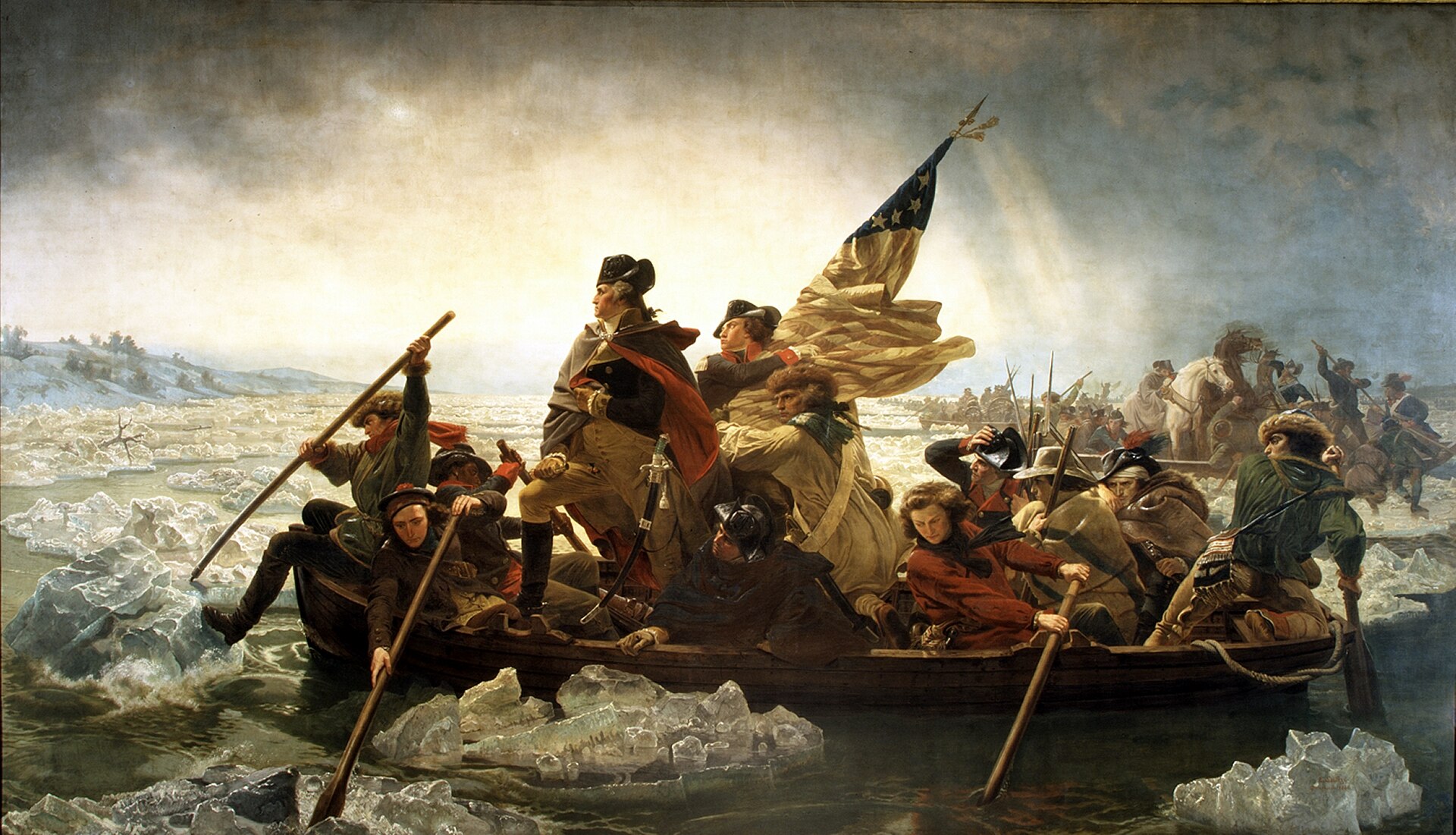
In the early morning hours of December 26, Washington’s army surprised the Hessian garrison in Trenton. The Hessians, caught off-guard and still groggy from the previous night’s Christmas celebrations, were quickly overwhelmed. The American forces captured nearly 1,000 prisoners and seized much-needed supplies. The battle was a decisive and swift victory, with minimal American casualties.
The victory at Trenton had an immediate impact. Washington’s army re-crossed the Delaware River back to Pennsylvania, their spirits lifted and their hold on independence renewed. The success of the mission inspired reenlistments and new recruits, stabilizing the army’s numbers. The psychological impact was immense, changing the perception of the war both at home and abroad.
The Battle of Trenton was a pivotal moment in the American Revolution. It revived the colonial cause, proving that the Continental Army could defeat a professional European force. Morale soared among the American troops and citizenry, as the victory instilled a renewed sense of hope and determination. It also showed France and other potential allies that the American cause was viable, aiding in securing future support.
The legacy of the Battle of Trenton endures as a symbol of perseverance and strategic brilliance. It is remembered for the iconic image of Washington crossing the Delaware and the surprise attack that followed. The victory demonstrated the possibility of success against overwhelming odds and has since been celebrated as a testament to American courage and tenacity. The Battle of Trenton remains a pivotal and inspirational chapter in the story of American independence.


 DAVE DOES HISTORY
Leave a comment