
On December 22, 1989, Romanian leader Nicolae Ceaușescu made a significant and ultimately historic speech from the balcony of the Central Committee building in Bucharest, aiming to quell the rising tide of revolution and stabilize his government. The speech, however, did not have the intended effect. Instead, it became a symbol of the crumbling communist regime in Romania and a prelude to its rapid downfall.
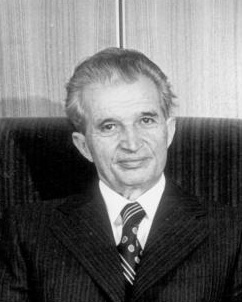
Ceaușescu’s address was meant to be a show of strength and control. He attempted to discredit the protesters by labeling them as “fascist agitators” and sought to rally the population to the cause of socialism and the achievements of his regime. The speech was delivered in a context of growing unrest that had started in the city of Timișoara and spread across the country, fueled by widespread dissatisfaction with the oppressive regime, economic struggles, and a desire for greater freedoms.
The reception of the speech was markedly different from what Ceaușescu might have expected. Instead of instilling fear or loyalty, it further inflamed the public’s desire for change. The crowd’s initial reaction was mixed, with some supportive chants overshadowed by boos and jeers. This public dissent was unprecedented and signaled a significant shift in the Romanian population’s attitude towards the regime. The live broadcast of the speech inadvertently showcased the regime’s loss of control, as viewers across the country witnessed the leader’s shock and the crowd’s defiance.
The speech’s failure to stabilize the situation was swift and dramatic. Within hours, the military, initially loyal to the regime, switched sides to join the protesters. The security forces, known as the Securitate, were overwhelmed by the sheer number of people in the streets. Ceaușescu and his wife, Elena, attempted to flee but were captured, tried, and executed just days later, marking a violent and abrupt end to their rule.
The fall of Ceaușescu’s government was part of a broader wave of revolutions sweeping across Eastern Europe, signaling the end of decades of communist rule in the region. The Romanian Revolution was particularly violent and chaotic, with over a thousand lives lost in the struggle. The country’s rapid shift from a tightly controlled communist state to a democratic society was fraught with challenges, but the events following the December 22 speech laid the groundwork for the political and social transformation of Romania.
In retrospect, Ceaușescu’s final speech is often seen as a last desperate attempt to cling to power in the face of an inevitable change. It highlighted the disconnect between the ruling elite and the general population’s hardships and desires. The reaction to the speech and the subsequent fall of the government served as a stark reminder of the power of collective action and the fragility of authoritarian regimes. As Romania and the world watched the events unfold, it became clear that the era of communist rule in Eastern Europe was coming to an end, paving the way for a new chapter in the region’s history.


 DAVE DOES HISTORY
Leave a comment